








The Five Billion Dollar Gamble
The foundation of IBM’s dominance was a revolutionary, company-betting product: the System/360. Announced in 1964, it was a family of computers, a radical concept at the time. Before the System/360, businesses bought computers that were incompatible with
each other, even from the same manufacturer. Upgrading meant throwing out all your old software and starting from scratch. The System/360 changed that by creating a line of machines with a shared architecture. A customer could start with a small, affordable model and upgrade to a more powerful one without rewriting their programs. This concept, called “upward compatibility,” was a masterstroke. It created an ecosystem. Once a company bought into the System/360, it was incredibly difficult and expensive to leave. IBM spent a staggering $5 billion developing it—twice its annual revenue at the time—but the gamble paid off, securing the company more than 70% of the mainframe market.
The Power of FUD
With its technology locking customers in, IBM solidified its position with aggressive sales tactics. The most famous was a strategy that became known as FUD: Fear, Uncertainty, and Doubt. Coined by Gene Amdahl, an ex-IBM engineer who started a rival company, FUD described how IBM’s salespeople would subtly undermine competitors. The message was simple: sure, you could buy a cheaper machine from a startup, but is it reliable? Will they be around in five years to service it? The implicit promise was that no one ever got fired for buying IBM. This tactic was incredibly effective in a world where multi-million dollar computer systems were a terrifying investment for corporate boards. By casting shadows of doubt on the competition, IBM made itself the only “safe” choice, often regardless of whether its products were technically superior or fairly priced.
The Thirteen-Year War with the Government
By the late 1960s, IBM's control over the computer market, which some estimated at 70%, was so absolute that the U.S. Department of Justice took notice. On the last working day of the Johnson administration in 1969, the government filed a massive antitrust lawsuit, accusing IBM of illegally monopolizing the computer industry and seeking to break the company up. What followed was one of the longest and most complex legal battles in American history, a case so sprawling it was dubbed the “antitrust division’s Vietnam.” IBM’s strategy was one of endurance. It drowned the government in paperwork, generating tens of millions of pages of documents. The trial itself didn't even begin until 1975 and dragged on for years. Finally, in 1982, after thirteen years, the DOJ dropped the case, declaring it “without merit.” IBM had outlasted its prosecutor. It had proven it was, in a very real sense, untouchable.
Winning the Battle, Missing the War
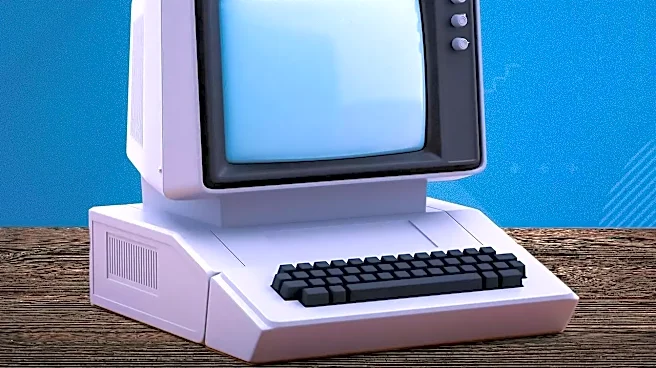
IBM’s legal victory was total, but it came at a cost. The intense focus on the antitrust case and its mainframe business may have blinded it to the next great revolution: the personal computer. While IBM was fighting its war in the courts throughout the 1970s, new upstarts like Apple were pioneering a new market for smaller, affordable machines. When IBM finally entered the PC market in 1981, it did so in a rush, making a fateful decision to outsource the operating system to a tiny company named Microsoft and the processor to Intel. This move accidentally handed over the keys to the next kingdom. The company that had built its empire on controlling every aspect of its ecosystem had just created its most powerful future competitors. The era of absolute dominance was over, not because of a courtroom defeat, but because the world had changed beneath its feet.