






Everyone knows Amazon Web Services is a cash-printing machine, consistently posting massive profits. But obsessing over its impressive operating margin hides a deeper, more complicated truth about the real cost of its dominance.
The Margin Story We All See
When Amazon releases its
quarterly earnings, all eyes turn to AWS. The numbers from its latest report are, as usual, staggering. The cloud division posted revenue of roughly $46 billion for the third quarter of 2026, a blistering 39% increase from the previous year. More importantly, it generated about $17.8 billion in operating income, translating to a jaw-dropping operating margin of around 38.7%. To put that in perspective, AWS accounts for less than a quarter of Amazon's total sales but delivered nearly two-thirds of its entire operating profit. For years, this has been the simple, powerful narrative: AWS is an incredibly high-margin business that funds Amazon's lower-margin retail ambitions and other ventures. It's the profit engine that keeps the entire empire humming, a story so compelling it’s become accepted fact.
The Hidden Cost of Cloud Dominance
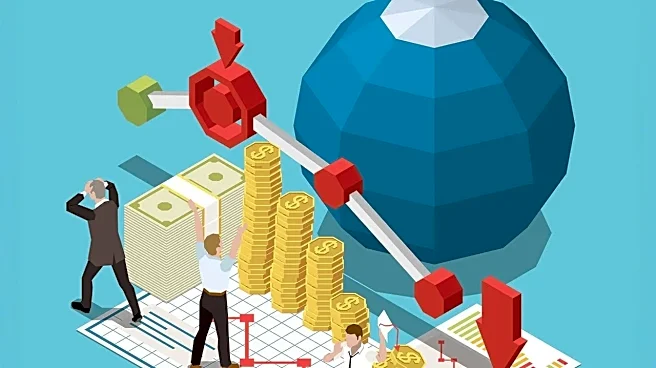
Here’s the detail hiding in plain sight: the astronomical spending required to achieve that growth. The line item is 'capital expenditures', or CapEx—the money Amazon shells out for property and equipment, primarily the servers and data centers that are the physical backbone of the cloud. In the third quarter of 2026 alone, Amazon’s CapEx hit a stunning $76 billion, more than double the prior year. For the full year, the company expects to spend around $220 billion, with CEO Andy Jassy signaling that spending in 2027 will be 'meaningfully more'. This massive outlay of cash creates a widening chasm between the 'profit' on the income statement and the actual cash the business generates. While operating cash flow is growing, it's being dwarfed by the explosion in capital spending. This led to a trailing twelve-month free cash flow of negative $42.4 billion, a massive swing from the positive $14.8 billion a year earlier.
Why Accounting Masks the True Picture
So how can a business report billions in profit while burning through cash? The answer lies in depreciation. When Amazon buys a server, it doesn't count the full cost against its profit that quarter. Instead, accounting rules let the company spread that cost out over the server’s 'useful life'—say, five or six years. This annual, non-cash charge is called depreciation. The operating margin that everyone celebrates is calculated after subtracting this depreciation expense, but it doesn't reflect the massive upfront cash payment for the asset. As Amazon's AI-fueled investment spree accelerates, depreciation costs are rising sharply. But they still lag far behind the actual cash going out the door. Think of it like buying a new bus fleet: your operating profit from ticket sales might look great, but it doesn't capture the massive check you just wrote for the buses themselves. The profit is an accounting figure spread over time; the cash expenditure is a very real, immediate event.
What This Means for Investors
This isn't to say AWS is in trouble. In fact, the spending is a direct response to soaring demand, with an enormous contract backlog of $578 billion from customers like OpenAI and Anthropic. The company is installing hardware at a furious pace because customers are 'gobbling it up' as fast as it's installed. The bull case is that this massive investment will secure years of future high-margin revenue growth. The risk, however, is that investors focused solely on the operating margin are misjudging the company's financial health in the near term. The real story isn't just the profit margin today, but the return Amazon will eventually generate on the hundreds of billions being spent. The key uncertainty is whether future profits will outpace the relentless cost of depreciation and infrastructure replacement before demand or pricing weakens. For now, the divergence between accounting profit and free cash flow is the most overlooked—and most important—detail in the AWS story.