





The Two Kings of the Hobby
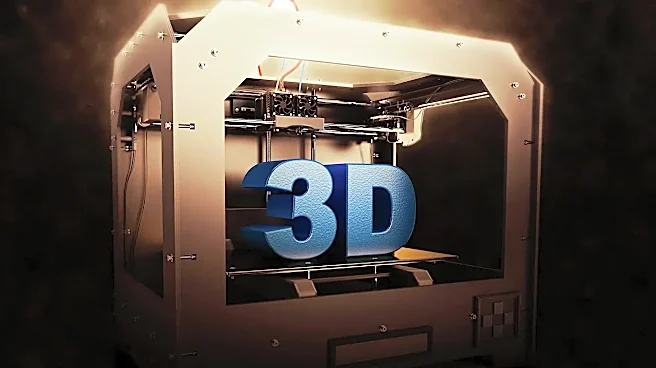
Not long ago, the consumer 3D printing world was a two-party system. On one side was Creality, the undisputed king of budget printing. With its Ender series, Creality made getting into the hobby incredibly affordable, shipping millions of units and building
a massive community. The catch? The printers required patience, a willingness to tinker, and frequent troubleshooting. On the other side was Prusa Research, the standard-bearer for high-quality, reliable printing for serious hobbyists. Built on a foundation of open-source principles stemming from the RepRap project, Prusa printers were known for their consistency and robust community support, though they came at a premium price. You either started cheap and tinkered your way up, or you invested in quality from the start. This was the accepted reality.
The Apple-Esque Upstart
Then, in 2022, Bambu Lab entered the scene and flipped the table. Founded by former engineers from drone giant DJI, the company launched its first printer, the X1 Carbon, on Kickstarter, raising over $7 million. Their approach was radically different. Instead of a kit to be assembled or a machine to be constantly calibrated, the X1 Carbon was a polished appliance. It was designed to work perfectly out of the box, delivering incredible speed and quality with minimal user intervention. Features like LiDAR-powered automatic calibration and AI-powered failure detection, once the domain of expensive industrial machines, were now available on a consumer device. The message was clear: 3D printing didn't have to be a hobbyist's struggle; it could be a seamless creative tool.
When Speed Became Standard
The impact was immediate and seismic. Bambu Lab printers operated at speeds up to five times faster than the previous generation of consumer machines, turning 24-hour prints into an overnight job. Suddenly, the speed and reliability of older printers from all brands felt antiquated. This forced a market-wide response. Creality launched its K1 series, printers designed explicitly to compete with Bambu's speed and enclosed design. Prusa, in turn, accelerated the development of its next-generation machines, incorporating similar speed-enhancing technologies. What was once considered a revolutionary feature—high-speed printing that didn't sacrifice quality—quickly became the industry standard. The entire market was forced to accelerate, and the primary beneficiary was the consumer.
A Philosophical Divide
The rivalry goes beyond hardware specs; it's a battle of philosophies. Prusa has long championed an open-source ethos, allowing users to modify, repair, and customize their machines freely. This approach fosters a deep sense of community and ownership. Bambu Lab, in contrast, has adopted a closed-source, "walled garden" model, much like Apple. Their printers, software (Bambu Studio), and material systems (the AMS for multi-color printing) are designed to work together in a tightly integrated, proprietary ecosystem. This offers a more user-friendly, plug-and-play experience at the cost of the repairability and customization that the community was built on. This divide forces users to make a choice: do they prioritize the freedom and flexibility of an open system or the polished convenience of a closed one?
Reshaping Consumer Expectations
The story of these three companies is more than a niche market battle; it's a case study in modern consumer hardware. Bambu Lab's success proved that even in a highly technical, DIY-oriented field, there is a massive appetite for products that offer convenience, speed, and a polished user experience right out of the box. By 2025, Bambu Lab had overtaken Creality as the market share leader in entry-level printers. This rivalry has raised the bar for everyone, forcing competitors to innovate not just on price, but on ease of use and ecosystem integration. It demonstrated that what users truly want is for their tools to be less of a project and more of a platform for their creativity, a lesson that extends far beyond the world of 3D printing.