





Super Pumped: The Battle for Uber by Mike Isaac
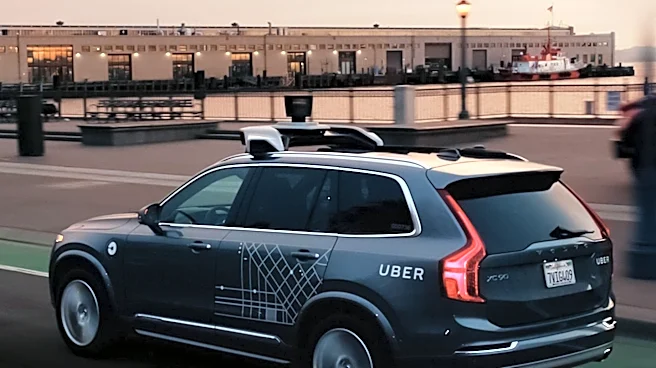
To understand Lyft, you must first understand Uber. New York Times reporter Mike Isaac’s definitive account of Uber's rise under its aggressive co-founder Travis Kalanick is a riveting corporate thriller. The book details the hyper-competitive, growth-at-any-cost
culture that defined the ride-sharing industry. For readers interested in John Zimmer, this book is crucial because it paints a vivid picture of the battlefield on which Lyft had to fight. Isaac documents Uber's specific tactics to undermine its smaller rival, from creating software to track drivers working for both platforms to launching negative marketing campaigns. The book establishes the stark contrast between Kalanick’s ruthless approach and the different path Zimmer and his co-founder Logan Green chose, framing Lyft as the underdog protagonist in a brutal industry war.
Wild Ride: Inside Uber’s Quest for World Domination by Adam Lashinsky
Like 'Super Pumped,' Adam Lashinsky’s 'Wild Ride' is centered on Uber but provides indispensable context about the ecosystem John Zimmer helped build. Lashinsky explores the power struggles, regulatory battles, and PR disasters that characterized the early days of ride-hailing. The book gives an insider's look at how Uber’s moves forced the entire transportation world to react, including competitors like Lyft, traditional taxi services, and even Google. By reading about the combative and relentless machine Kalanick built, you gain a deeper appreciation for the challenges Zimmer faced. It highlights the existential threats Lyft navigated and illustrates how Uber's quest for dominance created the very market conditions that allowed Lyft to position itself as a more conscientious alternative.
The End of Traffic by John Zimmer and Logan Green
While not a traditional book, this widely circulated 2017 essay is arguably the most direct insight into John Zimmer’s long-term vision. In it, he and Green lay out a mission that goes far beyond simply offering rides. They diagnose the problems of modern transportation—traffic, pollution, and the massive inefficiency of personal car ownership, where cars sit unused 96% of the time. Their proposed solution is a future with fewer cars, redesigned urban spaces, and a robust network of shared autonomous vehicles. This text is essential reading because it reframes Lyft from a mere taxi competitor into a company with a sweeping, almost utopian, social mission. It reveals Zimmer as a thinker focused not just on the next quarter, but on fundamentally changing the way cities and society function over the next few decades.
What's the Future of Business by Brian Solis
This book provides the philosophical underpinning for Lyft’s brand. Futurist Brian Solis argues that modern business is no longer about just selling a product, but about creating and curating customer experiences. He emphasizes that shared experiences are the new currency of brand loyalty and that relevance depends on understanding how technology affects human behavior. This thinking is the DNA of Lyft’s public identity. From its early days with fuzzy pink mustaches to its reputation as the "friendlier" ride-share app, Lyft’s strategy has been to win on experience when it couldn’t always win on scale. Recent analysis highlights that this culture was driven by Zimmer himself, whose focus on hospitality and treating people better became a core company tenet. Reading Solis helps you understand the playbook Zimmer used to build a brand that could survive and thrive against a seemingly invincible competitor.