


The 2018 Breaking Point
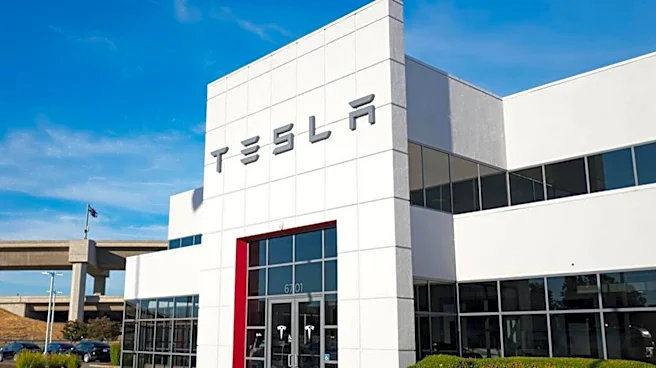
To understand why Tesla's current power structure feels so unprecedented, one must look back to 2018, a year that should have been the beginning of the end for Musk's leadership. At the time, a single social media post claiming he had 'funding secured'
to take Tesla private sent shockwaves through the financial markets. The fallout was immediate and severe. The Securities and Exchange Commission stepped in, leading to a settlement that forced Musk to resign as Tesla's chairman. Both he and the company were hit with 20 million dollar fines. At that moment, many analysts believed his survival as CEO was far from guaranteed, with some predicting he had only a slim chance of weathering the storm.
A Shift in Power Dynamics
What happened next was not a gradual decline, but a fundamental shift in how corporate power is wielded. Traditionally, a board of directors and major institutional investors act as a check on a CEO's behavior, especially when that behavior threatens the company's stability. However, the era of the 'untouchable' founder has arrived. As Tesla's valuation skyrocketed and Musk's ventures like SpaceX gained massive influence, the leverage held by investors began to change. Instead of demanding a leader's removal following a scandal, many large investment funds have increasingly aligned themselves with the founder's vision, recognizing that the founder's personal brand is often inextricably linked to the company's market value.
The Founder Premium
The phenomenon is driven by what can be described as the 'founder premium.' In modern tech, the individual at the helm is often seen as the primary driver of innovation and future growth. For Tesla, Musk is not just an executive; he is the personification of the brand. When a leader's presence is perceived as the main reason for a company's massive market capitalization, the incentive for investors to enforce strict governance diminishes. The risk of removing the founder—and potentially seeing the stock price crater—often outweighs the perceived benefit of cleaning up leadership. This creates a feedback loop where successful growth reinforces the leader's immunity to traditional oversight.
The New Corporate Reality
This evolution has broader implications for the entire tech industry. We are witnessing a transition from the era of institutional control to an era of individual dominance. As Silicon Valley founders continue to build companies with massive, cult-like followings, the old guard of corporate governance is finding itself increasingly sidelined. The Tesla model suggests that if a founder can deliver enough growth and cultural relevance, the traditional mechanisms of accountability—lawsuits, board removals, and investor revolts—may become less effective than they once were.