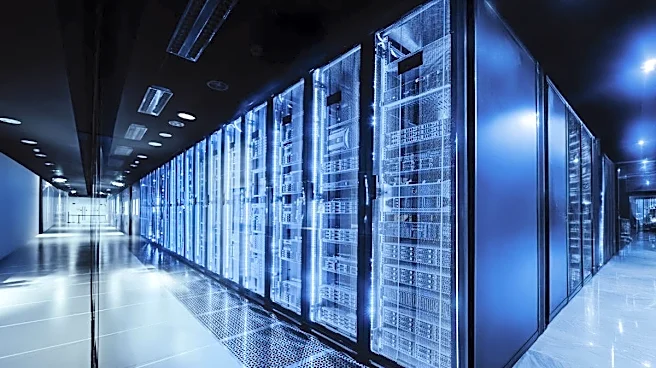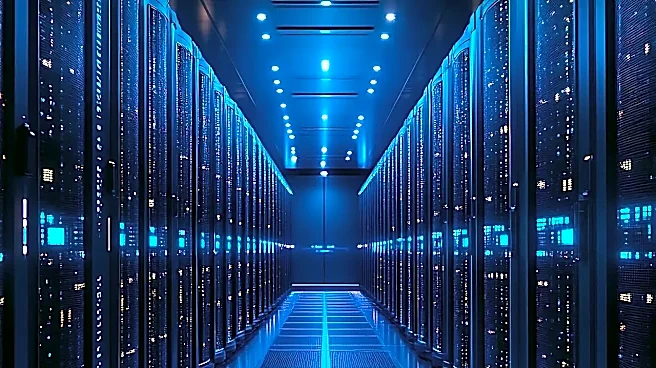


Beneath the headlines about generative AI, a physical transformation is reshaping the American landscape. Meta is spending hundreds of billions on the digital factories of the future, and its strategy is creating waves across the entire U.S. data center
industry.
An Unprecedented Spending Spree
To understand the scale of what's happening, you have to talk in numbers that sound almost fictional. As of late 2026, Meta has lined up future spending commitments climbing toward $825 billion, a significant portion of which is dedicated to AI compute and data center infrastructure. This includes long-term leases for data centers and energy infrastructure stretching out to 2036, alongside massive, non-cancellable contracts for servers and network gear. The company's capital expenditure forecast for 2026 alone is projected to be between $135 billion and $145 billion. This firehose of cash isn't just about buying more servers; it represents a fundamental bet on building a new generation of infrastructure powerful enough to train and run the AI models of tomorrow. This spending spree is so vast that it's forcing the entire industry to react.
Redefining the Modern Data Center
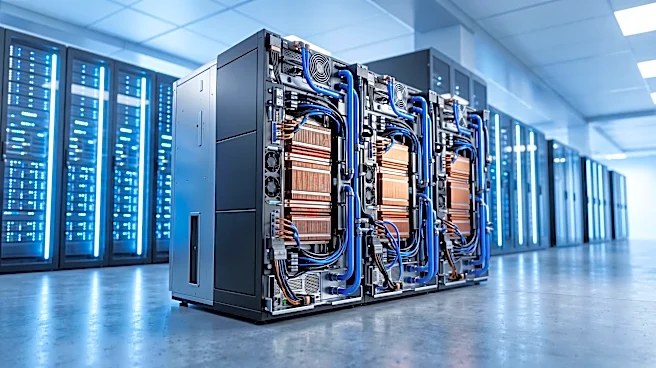
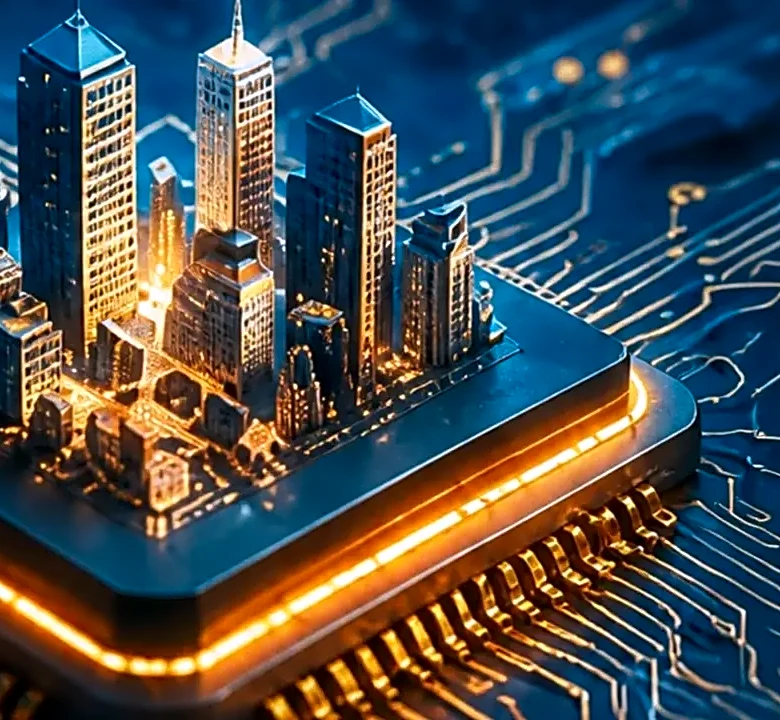
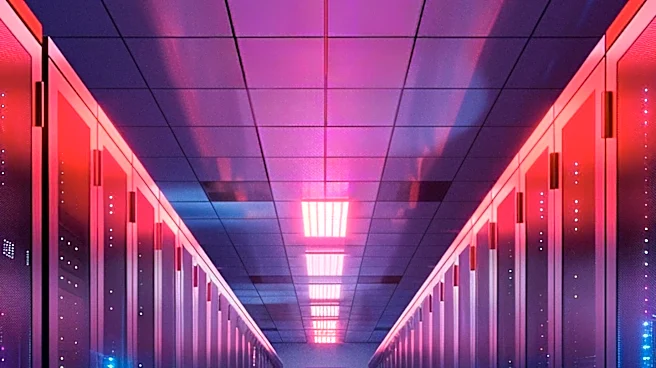
The sheer power required for AI workloads is forcing a complete rethink of data center design. Traditional facilities are simply not equipped for the energy density of modern AI hardware. Meta is not just a customer; it's a trendsetter. The company's shift toward building its own custom AI chips, like the Meta Training and Inference Accelerator (MTIA), is a key part of this. By designing silicon specifically for its own workloads, Meta aims to achieve greater efficiency and performance per watt, reducing its reliance on third-party chipmakers like Nvidia. This internal innovation, combined with its massive purchasing power, is accelerating the adoption of new technologies across the board. Data center developers are now racing to incorporate advanced liquid cooling systems and high-density power delivery to meet the specifications demanded by hyperscalers like Meta, knowing that the AI boom requires a new kind of digital factory.
The Scramble for Power and Land
You can't build a digital factory without land and a colossal amount of power. Meta's expansion is creating a modern-day land rush, but not for gold—for gigawatts. Power availability has become the number one constraint for new data center development. As a result, hyperscalers are expanding beyond traditional data center hubs like Northern Virginia and into frontier markets where land is available and, crucially, the power grid can support their immense needs. Reports indicate that land prices in these target markets can skyrocket by 200% to 400% within 18 months of a major data center announcement. Meta's plans include building multiple 'superclusters', some with over a gigawatt of capacity each—equivalent to the power consumption of a small city. This has put enormous pressure on utility companies, who are now forecasting record capital spending to upgrade grids that were never designed for such concentrated demand.
A Ripple Effect on the Supply Chain
Meta's strategy isn't just about building its own facilities; it's also about de_risking its aggressive AI roadmap through a hybrid 'build_and_buy' approach. The company has signed massive, multi_billion_dollar deals with specialized cloud providers like CoreWeave to secure dedicated AI capacity, effectively outsourcing some of the construction and power procurement risk. This dual strategy puts pressure on the entire supply chain. It creates immense demand not only for data center space but also for the underlying components: the chips from Nvidia and AMD, the networking equipment, and the specialized cooling systems. To secure its place at the head of the line, Meta is even attracting direct investment from its suppliers. In a sign of the symbiotic relationship, chipmakers Nvidia and AMD recently committed a combined $4 billion to support Meta's AI buildout, ensuring they remain key partners in this infrastructure arms race.