





What 'Native' AI Even Means
For years, Apple’s defining magic has been making complex technology feel simple and intuitive. A “native” feature is one that feels like it has always been there—it’s invisible, seamless, and requires no learning curve. Now, apply that to artificial
intelligence. A native AI isn't a chatbot you open or a special mode you activate. It’s intelligence that’s woven into the very fabric of the operating system. It's when Photos automatically creates a perfect movie of your vacation with a simple prompt, when Siri understands the context of what’s on your screen without being told, and when your phone sorts your notifications with an almost human understanding of your priorities. The opposite is what tech veterans fear: a “bolted-on” feature that feels like a clunky afterthought, disrupting the user's flow and making the device feel more complicated, not less.
The Ghost of Clippy
Anyone who used a computer in the late '90s remembers Clippy, Microsoft's deeply unhelpful Office Assistant. It was an early, clumsy attempt at a proactive helper that constantly interrupted, offered bad advice, and ultimately became a punchline. For Apple, Clippy is the ghost in the machine, a warning of what happens when “intelligence” isn't intelligent at all. Apple's entire brand is built on avoiding that kind of user friction. The company’s philosophy has always been one of control, minimalism, and putting the user experience first. But generative AI, by its nature, is often unpredictable and thrives on open access to vast data, a model that clashes with Apple's walled-garden approach. The launch of Apple Intelligence has already been rocky, with features delayed, rolled out in stages, and even pulled back after making embarrassing errors. This isn't just a technical glitch; it's a direct threat to the trust Apple has spent decades building.
More Than a Smarter Siri
For years, Siri has been the public face of Apple's AI, and often a disappointing one. The promise of Apple Intelligence, and the new Siri AI, is to finally fix that by giving the assistant personal context and the ability to take action across apps. But the real challenge is far deeper. Native AI must permeate everything. It should proactively organize your reminders based on an email you just received, suggest a playlist for your workout without you asking, and offer to touch up a photo in a way that feels like an extension of your own creativity. It’s a delicate balancing act. The system needs to be helpful without being intrusive, powerful without being complicated, and personal without feeling creepy. This requires a level of software and hardware integration that only Apple can attempt, running complex processes on the device itself to protect privacy—a core part of the pitch.
Apple's Brand Is On The Line
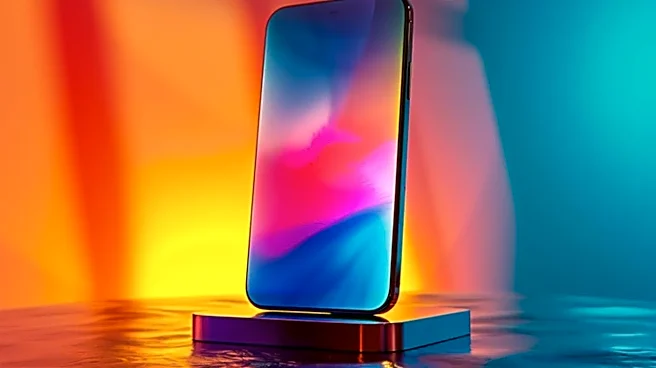
Competitors like Google and Samsung are also deep in the AI race, often with more powerful, cloud-based models. But Apple has never sold itself on having the biggest specs or being first to a feature. It sells an experience—a feeling of seamlessness and intuitive design. If Apple Intelligence feels like a foreign entity inside iOS, a powerful but awkward guest, it undermines the very reason people pay a premium for Apple products. The company has already faced criticism and even legal challenges for over-promising on its AI capabilities in previous launches. With the iPhone 18, the stakes are higher. The success of this device won’t be measured in megapixels or processor speed. It will be measured by a feeling: does this new intelligence feel like a natural part of the iPhone, or does it feel like a stranger in the house?