




The Pre-Game Show: A Season of Rumors
The Super Bowl isn't a one-day event; it's the climax of a six-month season of speculation, punditry, and fan theories. For Apple's Worldwide Developers Conference (WWDC), the 'pre-game' is nearly identical. Months before the keynote, a dedicated ecosystem
of bloggers, YouTubers, and supply chain analysts begins its work. They dissect patent filings, interpret whispers from anonymous sources, and render mock-ups of potential new software features. This rumor cycle creates a sustained narrative, building anticipation to a fever pitch. Just as sports talk radio debates a quarterback's every move, the tech community argues over the merits of rumored changes to iOS or the likelihood of a new product category. By the time the event begins, fans aren't just tuning in; they are emotionally invested, eager to see which predictions were right and which were wildly off base.
Kickoff: The Keynote Is the Main Event
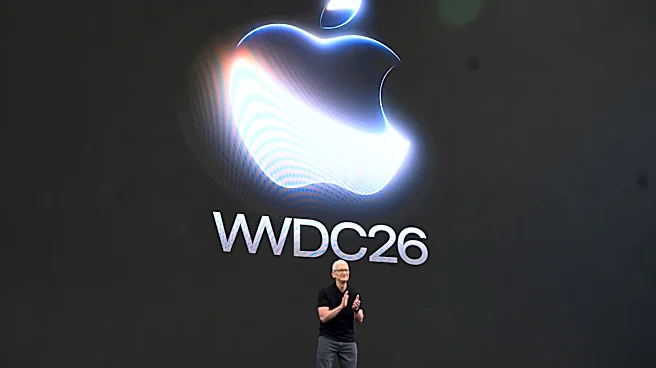
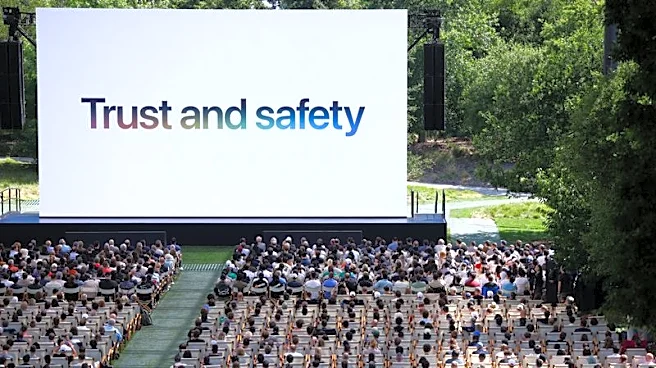
When the day finally arrives, the keynote address is the kickoff, the national anthem, and the first quarter rolled into one. It’s a multi-million dollar production, polished to a reflective sheen and broadcast globally to millions. On stage, Apple executives aren't just presenters; they are the star players and head coaches. CEO Tim Cook plays the role of commissioner, setting the stage before handing off to his roster of specialists. Each segment, whether detailing the new macOS or a privacy update, is a meticulously rehearsed 'play.' The language is confident and aspirational. The visuals are slick and compelling. For the two hours of the keynote, Apple commands the undivided attention of the tech world, setting the agenda for the next twelve months. It’s a shared, communal viewing experience, with live-blogs and social media feeds acting as the world’s biggest sports bar.
The Playbook Reveal: Software Is the Strategy
While casual fans might hope for a shiny new iPhone, the heart of WWDC—and the reason it's a 'Developers Conference'—is software. This is the playbook. The updates to iOS, iPadOS, macOS, and watchOS dictate how hundreds of millions of devices will behave for the next year. This is where Apple’s strategy is laid bare. New software frameworks and APIs (Application Programming Interfaces) are the routes and formations that tell developers how to build their apps for Apple's ecosystem. A new feature in iOS isn’t just a fun gimmick; it’s a strategic move that can create entire industries or render others obsolete. For fans, these announcements offer a tangible glimpse into the future of the devices they use every day. They see how their digital lives will change, from redesigned lock screens to new ways of communicating.
The Halftime Surprise: 'One More Thing…'
Every Super Bowl needs a blockbuster halftime show, a moment of pure spectacle that gets everyone talking. At Apple keynotes, this role is often filled by the surprise hardware reveal or the legendary 'One More Thing...' moment. While WWDC is primarily about software, Apple has a history of using the event to launch game-changing products, from the original Intel-based Macs to the Vision Pro. This possibility of a major hardware announcement adds a layer of high-stakes drama to the proceedings. It’s the Hail Mary pass, the unexpected trick play. Even in years without a major hardware launch, a significant software overhaul or a bold new developer tool can serve the same purpose, generating the 'wow' moment that dominates headlines and defines the event's legacy.
The Post-Game Show: A Cottage Industry of Analysis
Once the keynote ends, the game is far from over. In fact, for many, it’s just beginning. The 'post-game' analysis is a massive industry. Developers download the beta versions of the new software and immediately begin digging for unannounced features. Tech journalists and podcasters record hours of reaction content, breaking down every announcement and debating its long-term implications. Like sports analysts reviewing game tape, they scrutinize every decision, celebrating the brilliant plays and questioning the fumbles. This period of collective digestion and interpretation solidifies the community. It’s a time for fans and professionals alike to process what they’ve seen, share their excitement or disappointment, and look ahead to what it all means for the future.