






The Old Philosophy Club: RISC vs. CISC
At its core, the disagreement starts with two different philosophies from the dawn of computing. x86 processors, historically led by Intel and AMD, are built on CISC (Complex Instruction Set Computer). Think of a CISC instruction as a multi-part command,
like "go to the store, buy milk, and come back." It's powerful and gets a lot done with one instruction, which made programming easier in the early days. ARM architecture, on the other hand, uses RISC (Reduced Instruction Set Computer). A RISC approach breaks that same task into smaller, simpler steps: "get car keys," "drive to store," "find milk," "pay for milk," and "drive home." Each step is incredibly fast and simple, requiring less complex hardware to execute. For decades, x86's complexity and raw power dominated PCs and servers, while ARM's simplicity and efficiency made it perfect for battery-powered devices.
The Power Bill vs. Brute Force
For many engineers, the debate boils down to power efficiency versus raw performance. ARM has long been the undisputed champion of performance-per-watt. Its simpler design consumes significantly less power and generates less heat, which is why it dominates the mobile world. This advantage is now a primary driver for its adoption in data centers, where electricity and cooling costs are monumental expenses. Some estimates show ARM-based servers can be up to 40% more cost-effective for specific cloud workloads. However, x86 advocates argue that for the most demanding tasks—think complex scientific simulations or massive enterprise databases—the raw, single-threaded performance of top-tier x86 chips from Intel and AMD remains king. Their architecture is built for maximum computational horsepower, even if it comes at the cost of higher power consumption.
The Software Ecosystem Challenge
A processor is useless without software, and this is where the disagreement gets sticky. The x86 architecture has a multi-decade head start, meaning the vast majority of enterprise applications, operating systems, and video games were written and optimized for it. For an engineer in an environment with critical legacy software, moving to ARM isn't a simple choice; it can involve complex and sometimes slow emulation or a complete rewrite of the code. Running x86 software on ARM often requires a translation layer, like Apple's Rosetta 2, which can impact performance. While ARM has a robust ecosystem in the mobile and cloud-native spaces—where applications are built from the ground up for its architecture—the inertia of the massive x86 software library is a powerful argument for sticking with what works.
Apple Kicked the Door Down
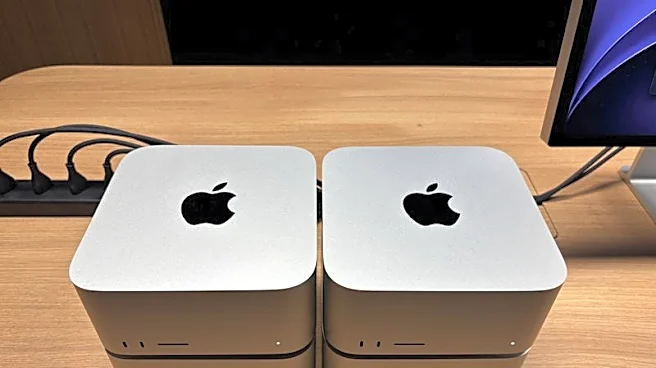
For years, the lines were clearly drawn: ARM for phones, x86 for serious computers. Then Apple blew up the distinction. By transitioning its entire Mac lineup from Intel's x86 to its own custom ARM-based silicon (the M-series chips), Apple proved that ARM could deliver desktop-class—and even professional workstation-level—performance while maintaining incredible power efficiency. This move single-handedly legitimized ARM for high-performance consumer computing and put the entire industry on notice. Suddenly, senior engineers weren't just debating ARM for servers or phones; they were seeing it compete directly with high-end x86 chips in laptops and desktops, often winning on both performance and battery life. This forced a re-evaluation across the board, intensifying the debate.
It's Not a Fight, It's Specialization
Ultimately, the reason senior engineers disagree is that there is no single right answer. The “best” architecture depends entirely on the job. An engineer designing a lightweight edge computing device for a 5G network will prioritize ARM's power efficiency. Another engineer managing a financial services company's critical database will lean on the proven compatibility and raw power of x86. A developer building scalable web services for the cloud might find ARM's price-to-performance ratio on platforms like AWS Graviton irresistible. The disagreement isn't about one architecture being universally superior; it's a reflection of a maturing industry where different tools are being optimized for increasingly specialized tasks. The debate is less about winning and more about choosing the right tool for a specific, high-stakes job.