








The Problem Worth Solving
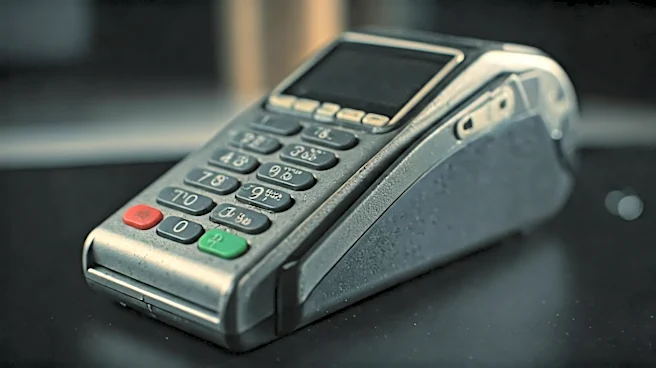
The story of Square, now known as Block, begins with a common frustration. In 2009, co-founder Jim McKelvey, a glass artist in St. Louis, lost a $2,000 sale because he couldn’t accept an American Express card. The existing credit card processing systems
were expensive, complex, and inaccessible to small-time merchants, artists, and vendors. It was a massive, overlooked market. McKelvey took his problem to his friend, Twitter co-founder Jack Dorsey. Together, they sketched out a simple, elegant idea: a tiny, portable device that could plug into a smartphone and allow anyone to accept credit cards, anywhere. The mission was to democratize commerce.
The Elegant, but Flawed, First Draft
The initial engineering challenge was immense. How do you build a reliable card reader small enough to fit in your pocket and cheap enough to give away? The team’s first prototype was a masterpiece of consolidated engineering. It was a single, self-contained unit designed to both read the magnetic stripe data from a credit card and convert it into a digital signal that the phone could understand. The goal was to build one piece of hardware that did everything. It was a logical approach, and for a while, it seemed like the right one. The team built a functional prototype that looked and worked exactly as intended. They were on the verge of manufacturing.
The 'Oh No' Moment of Discovery
This is where the story pivots from a standard startup tale to a lesson in crisis management. As they prepared for production, an engineer made a terrifying discovery. Their elegant, all-in-one device didn't just read credit cards—it could also *write* to them. The hardware designed to interpret magnetic data was so capable that it could also be used to create it. In the payments industry, a device that can read a card and then write that data onto another is known as a “skimmer.” Square had unintentionally built a perfect tool for credit card fraud. Releasing it would have been a security, legal, and PR catastrophe. The FBI would have been at their door, and the company would have been finished before it ever truly began. This was the failure: a product that worked perfectly but was fundamentally unusable in the real world.
The Pivot That Saved Square
The team had to scrap their design just weeks before their planned launch. The solution was a stroke of counterintuitive genius. Instead of making the reader *smarter*, they made it dumber. The engineers split the device’s function into two parts. The new hardware—the white square we know today—was reduced to a simple, passive component. Its only job was to act as a read head, picking up the raw, analog signal from the card’s magnetic stripe and passing it through the headphone jack to the phone. All the complex work of decoding the signal, encrypting the data, and processing the payment was offloaded to the Square app on the smartphone itself. This separation of powers was the key. The hardware was now just a cheap piece of plastic and metal, incapable of fraud, while the secure, powerful software on the phone did all the heavy lifting.
Building an Uncopyable 'Innovation Stack'
This near-disaster forced Square to create something far more powerful than just a piece of hardware. In his book “The Innovation Stack,” McKelvey explains that by solving this chain of interlocking problems—hardware, software, security, and compliance—they built a system that was incredibly difficult for competitors to copy. Amazon, a formidable foe, later tried to compete with its own reader but eventually failed and withdrew from the market. They could replicate the hardware, but they couldn't easily replicate the entire stack of solutions Square had been forced to invent under pressure. The initial “failure” of their first product design wasn’t an endpoint; it was the crucible that forged a more resilient, innovative, and ultimately world-changing company.