



The Unspoken Contract of Good Audio
Viewers and listeners make snap judgments. While they might forgive a slightly grainy video, they are far less tolerant of bad audio. Hissing, echoing, or tinny sound is an immediate distraction that signals a lack of professionalism. Clean, crisp audio does
the opposite: it builds a subconscious foundation of trust. It tells your audience that you value their time and attention. Studies have shown that when audio is difficult to process, listeners are more likely to distrust not only the message but also the messenger. A study from USC found that when a speaker's audio quality was poor, participants rated the speaker as less intelligent and their research as less important. This isn't about snobbery; it's about respect for the viewer's experience. Good sound makes your content feel intentional and credible before your audience even consciously processes your message.
Beyond Clarity: The Problem of Listener Fatigue
You might think as long as your words are understandable, you're in the clear. But the human brain works differently. When audio quality is poor—filled with background noise, reverb, or a thin, compressed sound—our brains have to work harder just to comprehend the message. This increased cognitive load leads to a phenomenon called "listener fatigue." It’s a state of mental exhaustion caused by straining to hear, which can cause listeners to feel tired, lose focus, and even experience discomfort. They may not know why they feel drained, but they will associate that feeling with your content and simply click away. The goal isn't just to be heard, but to be heard effortlessly. High-quality audio reduces this cognitive burden, allowing the audience to relax and fully absorb your ideas, story, or performance.
Your Microphone as a Performance Tool
For podcasters, streamers, singers, and voiceover artists, the microphone is more than a piece of tech—it's an instrument. It’s the primary tool for conveying nuance, emotion, and personality. A cheap, poorly suited microphone will flatten your vocal tone, missing the subtle inflections that make your delivery unique and engaging. Think about the warmth in a favorite radio host's voice or the intimacy of a well-recorded podcast interview. That connection is captured by a microphone capable of reproducing the full spectrum of the human voice. Investing in a quality mic is an investment in your performance. It ensures that the passion, energy, and emotion you put into your work actually reaches the listener, creating a far more immersive and memorable experience.
The Right Tool: Condenser vs. Dynamic Mics
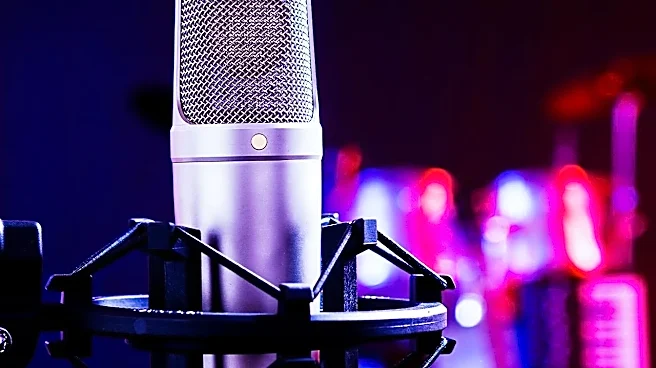
Not all microphones are created equal, and choosing the right type is crucial. The two most common types for creators are condenser and dynamic mics. Condenser microphones are known for their sensitivity and detail. They excel at capturing the nuances of vocals and acoustic instruments, making them a favorite for studio recording and voiceovers in a controlled, quiet environment. However, that same sensitivity can be a drawback, as they will pick up every bit of background noise, from a computer fan to a distant siren. Dynamic microphones are more rugged and less sensitive. They are excellent at rejecting background noise, which makes them ideal for live streaming, podcasting in an untreated room, or recording loud sources like guitar amps. A creator broadcasting from a typical bedroom would likely get a cleaner sound from a good dynamic mic than from a condenser mic that picks up room echo and keyboard clicks.
It's Not Just the Mic, It's the Environment
Buying an expensive microphone is only half the battle. A top-tier mic in a room with bare walls and hard floors will still produce echoey, unprofessional audio. Sound reflects off hard surfaces, creating reverb that muddies your recording. The good news is that you don’t need to build a professional studio. Simple adjustments can make a massive difference. Recording in a closet full of clothes is a classic trick for a reason—the soft materials absorb sound reflections. Adding rugs, curtains, or even just some pillows to your recording space can dramatically improve your sound quality. Likewise, proper microphone technique is essential. Positioning the mic about 6-12 inches from your mouth and slightly off to the side, rather than directly in front, can reduce harsh popping sounds (plosives) and create a more balanced tone.