









It’s More Than Just Video
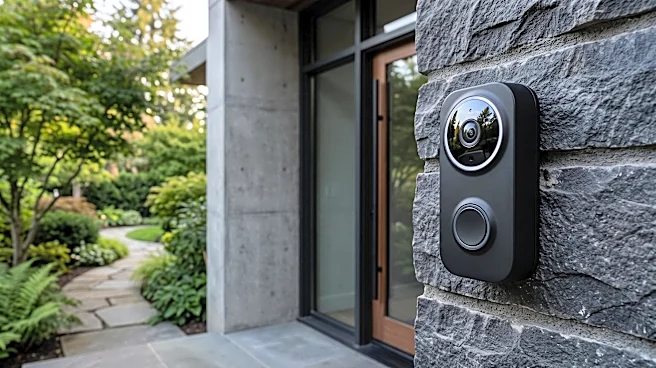
When you install a smart doorbell, you’re setting up more than just a camera. These devices are powerful sensors that often collect a wide array of information. Beyond the video feed, they can capture audio of conversations happening near your door, log
time-stamped motion events, and even gather technical data about your home's Wi-Fi network. This information creates a detailed picture of activity around your home, including the 'pattern of life' for you and your family. This data is then sent to company servers, where it's stored and analyzed, often to power the device's features. Some companies also use this data for their own product development, and privacy policies can be vague about what happens to your information over time.
The Cloud Conundrum: Convenience vs. Control
Most popular video doorbells rely on cloud storage, meaning your recordings are saved on the company's remote servers. This is convenient, as you can access footage from anywhere and don't have to manage your own storage hardware. However, it also means you’re entrusting your private moments to a third party. These servers can be targets for hackers, and a company's own security lapses can lead to major breaches. In 2023, the Federal Trade Commission even charged Ring with failing to implement basic security protections, which allowed hackers to take control of customer cameras. Furthermore, storing footage in the cloud often requires a monthly subscription fee; without it, recordings may be deleted automatically. The alternative is local storage, where footage is saved to a microSD card or a base station inside your home. This gives you more control and privacy, as law enforcement would typically need to come to you with a warrant to access it, rather than requesting it from the company.
Sharing with Law Enforcement
One of the most significant and controversial aspects of video doorbells is the relationship between manufacturers and law enforcement. Companies like Ring have partnerships with thousands of police departments across the country. Through apps like Ring's Neighbors, police can post public requests for footage from users in a specific area related to an investigation. While users can choose to ignore these requests, the system creates a streamlined process for police to access a vast network of private surveillance cameras. In some emergency situations involving 'imminent danger,' companies reserve the right to share footage with law enforcement without a warrant and without user consent. This has raised concerns among privacy advocates about the creation of a widespread, privately owned surveillance network with little public oversight.
Your Neighbors and Your Visitors Didn't Consent
The camera on your door doesn't just record you; it records everyone who comes near it. This includes friends, delivery drivers, and neighbors walking past on a public sidewalk. While you agreed to the terms of service, they did not. This creates tricky ethical and legal questions, especially as audio recording laws vary by state. Furthermore, the camera's field of view can inadvertently capture parts of a neighbor's property, leading to disputes. Community-focused apps can also foster a culture of suspicion, where users report 'suspicious' individuals who are simply going about their day. Features like facial recognition, while often optional, add another layer of concern by collecting biometric data of anyone who walks by, which has already led to lawsuits against major manufacturers.