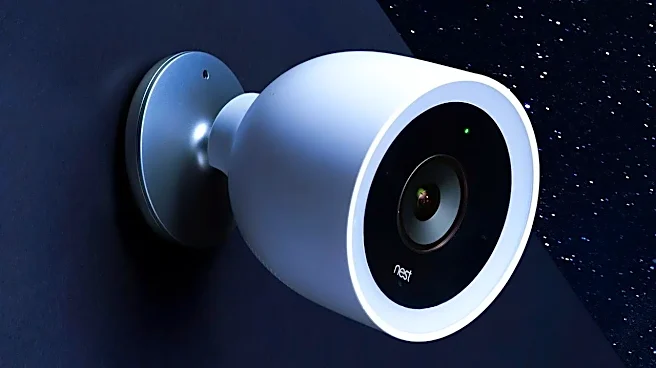







That shiny, discounted security camera sitting in your shopping cart looks like a steal. But the real price tag isn't on the box; it is hidden in the monthly subscription fees required to actually use it.
The Sticker Price Trap
We have all been there. You see a high-end security
camera on sale for a fraction of its usual price during a holiday weekend. It feels like a win. However, smart home technology has shifted the economic model from a one-time purchase to a 'hardware plus rent' system. When you buy a cloud-connected camera, you aren't just buying a piece of plastic and glass; you are essentially signing a long-term lease for the ability to view your own footage. For many popular models, the initial cost of the device is actually the smaller portion of the total investment over the first few years of ownership.
The Math of Monthly Rent
To understand the true cost, you have to look past the checkout screen and toward the subscription tiers. For instance, a popular budget-friendly camera might cost around $100 upfront. While that sounds reasonable, the subscription required to keep your motion clips playable for 30 days can add significant weight to the total. In some recent audits of the market, the median premium paid for these subscriptions over a three-year period was roughly $150. This means a $100 camera can quickly become a $250 investment in just 36 months. If you are looking at a five-year horizon, those numbers climb even higher, often doubling or tripling the original sticker price.
Comparing the Heavy Hitters
Not all cloud services are created equal, and the price you pay depends heavily on how much history you want to keep. Some budget-focused brands offer plans that cover all your devices at a single location for roughly $100 a year, providing a decent amount of event history. Other premium services charge similar annual amounts but offer much shorter windows of video retention, such as only 30 days of history. On the higher end, professional monitoring and advanced AI features can push annual costs toward $200 or more. When you scale this up to a multi-camera household, the cumulative cost of these 'rentals' becomes the most significant factor in your smart home budget.
The Local Storage Alternative
If the idea of monthly fees makes your wallet ache, there is a way out: local storage. Some manufacturers offer cameras that record directly to an SD card or a local hub within your home. This route can significantly lower the total cost of ownership because it eliminates the need for a cloud subscription to view past events. However, this path comes with its own set of trade-offs. Local storage often lacks the seamless remote access, advanced AI person-detection, and the 'set it and forget it' convenience that cloud users enjoy. It is a classic trade-off between upfront convenience and long-term savings.