



The Alluring Promise of Automated Floors
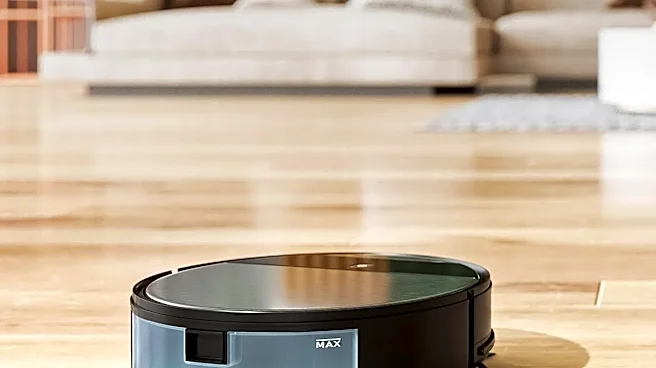
Scroll through any tech or home goods site, and you’ll see the pitch. A sleek disc glides silently across your floors, erasing footprints, spills, and the daily grime of life. Reviews for these robot mops tend to focus on a familiar checklist: How smart
is the navigation? How powerful is the suction on the vacuum combo? Does the app allow you to create no-go zones? These are all important questions, but they center on the initial setup and the first few weeks of use. They test how well the robot performs straight out of the box, painting a picture of a truly “set it and forget it” appliance. This focus on immediate performance, however, means that the less glamorous, long-term realities of owning one of these devices often get missed entirely.
The Detail Reviews Don't Talk About: Proprietary Fluids and Warranties
Here is the hidden detail: many robot mops are designed like inkjet printers. The real long-term commitment isn't just the machine; it's the specific, branded cleaning solution you’re required to use. Veering from the manufacturer's approved liquid can have significant consequences. Using a common household floor cleaner, a DIY vinegar solution, or even a third-party “universal” robot mop fluid can void your warranty. Brands like iRobot are explicit that unapproved solutions will void coverage, leaving you on the hook for costly repairs if the machine's internal pumps, tubes, or sensors get damaged. These tiny components are not designed to handle the viscosity, acidity, or foaming properties of standard cleaners. This creates a closed ecosystem where you must repeatedly buy the official, often expensive, cleaning fluid to keep your machine functioning properly and under warranty.
Why This Is a Bigger Deal Than You Think
This might sound like a minor annoyance, but the implications are significant for U.S. homeowners. First, there's the cost. These proprietary solutions represent a recurring expense that isn't highlighted in most reviews, which tend to focus on the upfront purchase price. Second, it limits your cleaning options. If you have a favorite floor cleaner that works perfectly for your specific type of hardwood, tile, or laminate, you often can't use it. You're stuck with the manufacturer's one-size-fits-all formula, which may not be ideal for your home's unique surfaces and could even leave a sticky residue. Finally, it undermines the very convenience the robot promises. Instead of a quick trip to the grocery store for more cleaner, you're now managing online orders and proprietary cartridges, adding another task to your plate.
The Unexpected Labor of Automation
The cleaning solution is just one part of a larger, under-discussed truth: robot mops are not zero-maintenance. They are high-maintenance appliances that trade one kind of labor for another. While you may not be pushing a mop, you will be performing a surprising amount of upkeep. This includes regularly washing the mop pads or cloths to prevent spreading dirt, emptying and cleaning the dirty water tank to avoid odors and gunk buildup, and cleaning the docking station itself. Hair and debris inevitably get tangled in the roller brushes and wheels, requiring you to periodically flip the machine over and manually clear them out to ensure smooth operation and prevent motor strain. Filters need to be tapped out, washed, or replaced entirely every few months. This hidden labor is the true cost of automation—a series of small but constant chores required to keep the robot doing its job.