





First, A Quick Reality Check on NFTs
Let’s get one thing straight: NFTs are more than just overpriced JPEGs of apes. At its core, a Non-Fungible Token (NFT) is simply a digital certificate of ownership recorded on a blockchain. Unlike a dollar bill or a share of stock (which are 'fungible'
and interchangeable), each NFT is unique and cannot be replaced one-for-one. This 'non-fungibility' is its superpower. It proves, with cryptographic certainty, that you—and only you—own a specific digital (or even physical) item. While art and collectibles got all the headlines, this basic trait of verifiable uniqueness is what makes NFTs a powerful new ingredient for the world of finance.
DeFi’s Hunger for New Forms of Collateral
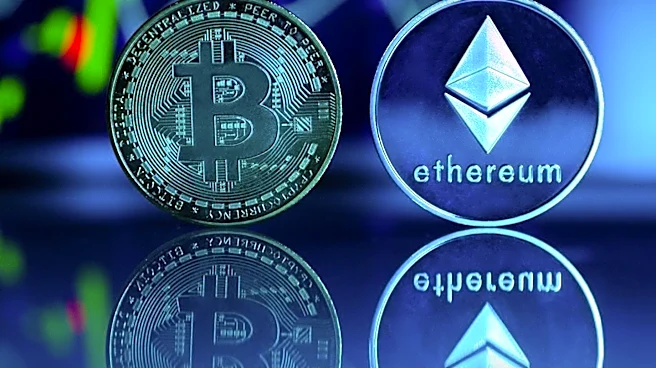
Decentralized Finance, or DeFi, aims to rebuild traditional financial services like lending, borrowing, and trading on the blockchain, without intermediaries like banks. For this system to work, it needs collateral. Traditionally, DeFi lending platforms required borrowers to put up other cryptocurrencies, like Bitcoin or Ether, to secure a loan. But this created a somewhat circular system, limited to those who already held significant crypto assets. DeFi protocols have been on a constant search for new types of assets to bring into the ecosystem to expand the market and create more sophisticated products. They needed a way to incorporate other forms of value, and unique, ownable assets were the perfect fit.
The First Bridge: Turning JPEGs into Loans
The most direct way NFTs reshaped DeFi was by becoming a new form of collateral. Think of it like a digital pawn shop. An owner of a valuable NFT, whether a piece of digital art or a virtual plot of land, can lock that asset into a DeFi lending protocol and borrow stablecoins or other cryptocurrencies against it. If the borrower repays the loan plus interest, they get their NFT back. If they default, the NFT is transferred to the lender or auctioned off. This simple mechanism was revolutionary because it unlocked liquidity from assets that were previously considered static and illiquid. Suddenly, a digital collectible wasn't just something to hold in a wallet; it was a productive financial tool.
Beyond Collateral: Fractionalization and Rentals
The integration didn't stop at lending. The concept of 'NFT financialization' (often called 'NFTFi') quickly expanded. One major innovation is fractionalization. This involves locking a single, high-value NFT into a smart contract and issuing many fungible tokens that represent shared ownership of the asset. This is like selling shares in a Picasso painting, allowing smaller investors to gain exposure to blue-chip digital assets that would otherwise be unaffordable. Another growing area is NFT rentals. In the gaming world, for instance, a player could rent out a powerful in-game item (represented as an NFT) to another player for a short period, creating a passive income stream. These strategies transform static NFTs into dynamic, yield-generating assets.
The Next Frontier: Tokenizing Real-World Assets
Perhaps the most profound impact is still unfolding: the tokenization of Real-World Assets (RWAs). This involves creating NFTs that represent legal ownership of physical items like real estate, bonds, fine art, or private credit invoices. These tokenized deeds or titles can then be plugged directly into DeFi protocols. Imagine getting a loan by using a fraction of your tokenized home as collateral, all handled through a smart contract in minutes instead of months of paperwork. This blurs the line between traditional and decentralized finance, bringing trillions of dollars in real-world value onto the blockchain. By acting as the digital 'title deed', the humble NFT provides the secure and verifiable foundation needed to make this fusion possible.