






The Engineer's Paradise
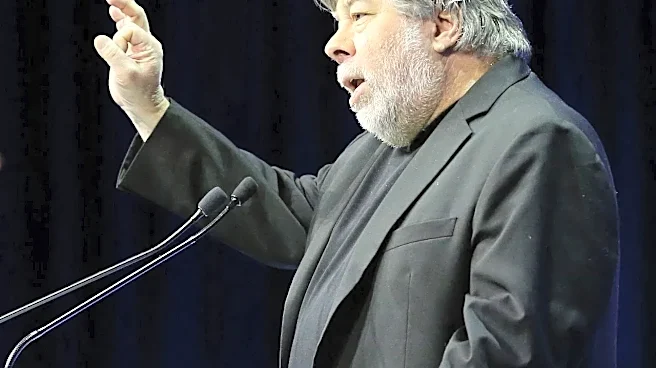
In the mid-1970s, Steve Wozniak was living his dream. He was an engineer at Hewlett-Packard (HP), a company he revered and intended to work at for life. It was the perfect environment for a tinkerer and genius like Wozniak; the culture was relaxed, and the company was at the pinnacle
of the electronics world. He had a stable, prestigious job designing calculators, and the freedom to work on his own passion projects after hours. For Wozniak, whose goal was to be a great engineer, not a businessman, HP represented the summit. He was happy, secure, and respected. Starting a company wasn't just off his radar; it was contrary to his entire professional ambition.
A 'Useless' Machine That Changed Everything
In his spare time, Wozniak was building something revolutionary. Driven by a desire to impress his peers at the local Homebrew Computer Club, he designed a personal computer that was years ahead of its time. This device, which would become the Apple I, was a marvel of elegant, efficient engineering. It was designed to be affordable and, crucially, usable. Wozniak, a loyal company man, offered his creation to HP five separate times, believing it could be a great product for them. Each time, they turned him down. To a corporate giant focused on calculators and professional equipment, a personal computer seemed like a niche hobbyist's toy with no real market. They simply didn't see the future Wozniak had built.
The Reluctant Co-Founder
His friend, Steve Jobs, saw things differently. Where HP saw a dead end, Jobs saw a goldmine. He relentlessly pushed Wozniak to quit his job and start a company to sell the computer. Wozniak was deeply conflicted. His father, also an engineer, had taught him the value of engineering as a stable profession that could change the world from within an established company. Initially, Wozniak refused to leave the security of HP. He agreed to form Apple as a side project, but drew the line at giving up his beloved day job. The bet wasn't just about money; it was about identity. Was he a loyal corporate engineer or a risky entrepreneur? He chose loyalty.
The Bet Is Forced
The turning point came when early investor Mike Markkula put up $250,000, but with a non-negotiable condition: Wozniak had to commit to Apple full-time. Markkula knew the venture needed its engineering genius completely focused. Faced with an ultimatum, Wozniak initially told Jobs and Markkula he was staying at HP. In a panic, Jobs mobilized Wozniak's friends and family, urging them to call and convince him to change his mind. One friend's argument finally broke through: he told Wozniak that if Apple failed, a brilliant engineer like him would be welcomed back at HP in a heartbeat. He could take the risk without truly losing his safety net. With that realization, Wozniak made the leap. He bet on the wild, uncertain future of Apple over the guaranteed comfort of HP.