





The 'Post-PC' Prophecy and the Magic Window
It’s hard to overstate the splash the first iPad made. Steve Jobs introduced it not as a smaller laptop but as a new category of device, one that he argued would define a “post-PC era.” The idea was that for tasks like browsing, email, and media consumption,
the traditional PC was like a truck—powerful but often overkill for everyday trips. The iPad was envisioned as a more convenient car. It wasn't the first tablet computer—Microsoft had championed the concept for years—but Apple’s formula of a slick, responsive touchscreen, a simple mobile-native OS, and a robust App Store made it the first one that felt indispensable to millions. It was a “magic window” that could be anything you wanted: a book, a movie screen, a game console, or a web browser, fundamentally changing user expectations about how immediate and accessible technology could be.
The Android Army: A War of Choice vs. Curation
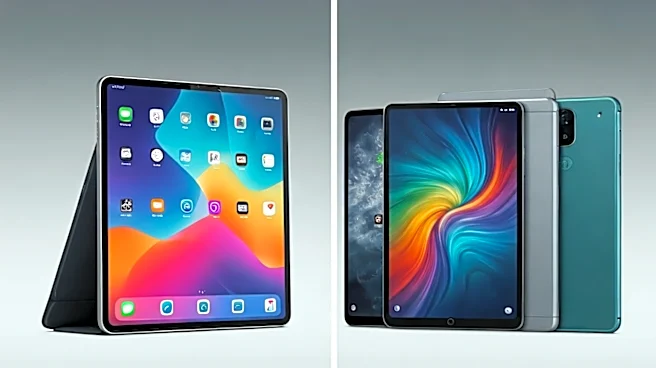
Apple’s initial dominance was staggering, capturing over 95% of the market in its first year. But the counterattack was swift. Led by Google's Android operating system, manufacturers like Samsung, Motorola, and Amazon unleashed a flood of alternatives. This wasn't a battle of single products but of philosophies. Apple offered a premium, highly curated, and unified hardware/software experience. Android offered choice: different sizes, different price points, and an open ecosystem. By 2013, the sheer volume and affordability of Android devices allowed them to overtake iOS in global market share. For consumers, the war meant that tablets quickly became mainstream. You could get a high-end Samsung Galaxy Tab to rival the iPad or a budget-friendly Amazon Fire tablet for a fraction of the cost, making tablets accessible to nearly every American household.
Beyond the Couch: Tablets Invade the Workplace
While the initial battle was for the living room, the tablet's influence quietly spread into the professional world. Initially seen as consumption devices, they quickly proved their utility in industries far from Silicon Valley. Airlines began replacing pilots' 40-pound flight bags with iPads. Retailers adopted tablets as sleek, mobile point-of-sale systems and inventory managers. In healthcare, doctors and nurses used them to access patient records on the go. This shift was less about replacing the desktop PC entirely and more about augmenting it. The tablet became the perfect tool for specific tasks that required mobility and simplicity, from sales presentations to on-site data entry. This created a demand for business-focused apps and ruggedized hardware, proving the tablet was more than just a toy.
The Lines Blur: When a Tablet Becomes a Laptop
For years, the consensus was that tablets were for consumption, and laptops were for creation. Then, a fascinating reversal began. As processors inside tablets became more powerful, Apple and its rivals started positioning them as legitimate PC replacements. The launch of the iPad Pro, complete with a stylus (the Apple Pencil) and a detachable keyboard, signaled a major strategic shift. Microsoft had already been pushing this “2-in-1” concept with its Surface line, which blended tablet portability with the power of a full Windows operating system. Samsung followed with its DeX mode, which offered a desktop-like experience on an external monitor. This evolution directly challenged the original “post-PC” idea. The tablet wasn't just a simple car anymore; it was now trying to be the truck, too, capable of handling demanding creative and professional work.
The Quiet Reshaping of Everything
So who won the tablet wars? In a way, everyone and no one. While Apple maintains a dominant market share, especially in the premium tier, the true legacy isn't about sales figures. The decade of competition fundamentally changed American computing. It forced software developers to adopt touch-first design principles, a shift that influenced everything from websites to desktop applications. It normalized cloud computing, as users came to expect their files and media to be available across all their devices seamlessly. Most importantly, it fragmented the very idea of a personal computer. The question is no longer “which PC should I buy?” but “what combination of devices—phone, tablet, laptop, desktop—is right for me?”