





Web 1.0: The Read-Only Foundation
The first era of the web, lasting roughly from the early 1990s to the early 2000s, was defined by static content. Think of it as a giant, one-way digital library. A relatively small number of publishers—media companies, corporations, and early adopters—created
websites made of simple HTML pages. Information flowed in one direction: from the server to the user. You could read, but you couldn't easily talk back. The business model was straightforward, often mirroring traditional media. Value was created and captured by the entities who owned and published the content. For developers, the work was primarily about building and presenting this static information effectively.
Web 2.0: The Read-Write Revolution
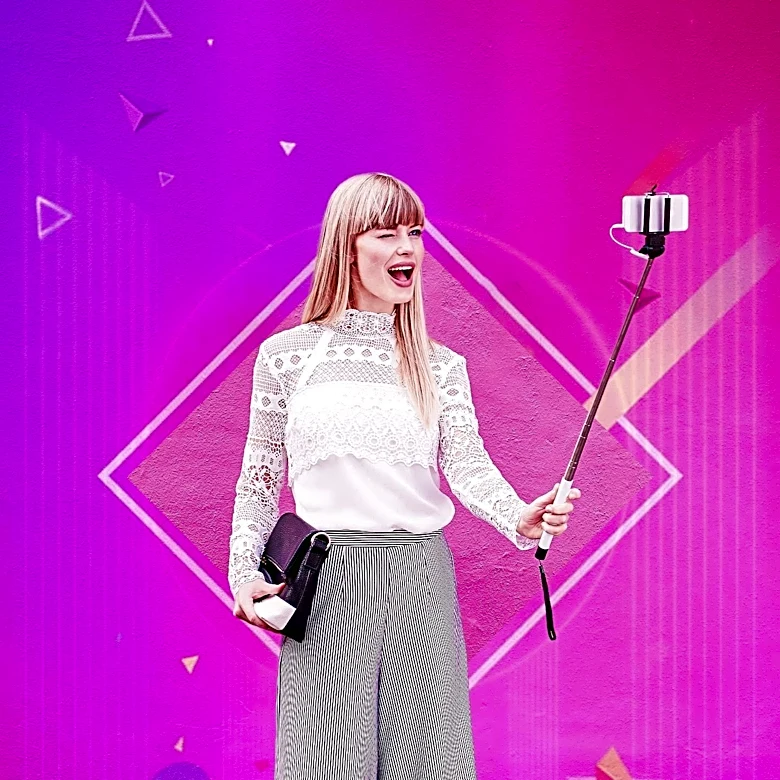
Starting around 2004, the internet became a two-way street. The rise of social media, blogs, and user-friendly platforms turned passive consumers into active creators. This is the web of Facebook, YouTube, and Twitter, powered by technologies that allowed for dynamic, user-generated content. Suddenly, anyone could publish their thoughts, share photos, and build communities. But this came with a trade-off. While users were creating the content that made these platforms valuable, they didn't own the platform or the underlying data. The platforms themselves—centralized corporations like Google and Meta—captured immense value by aggregating user data and monetizing it through advertising. The user, in many ways, became the product.
Web 3.0: The Read-Write-Own Promise
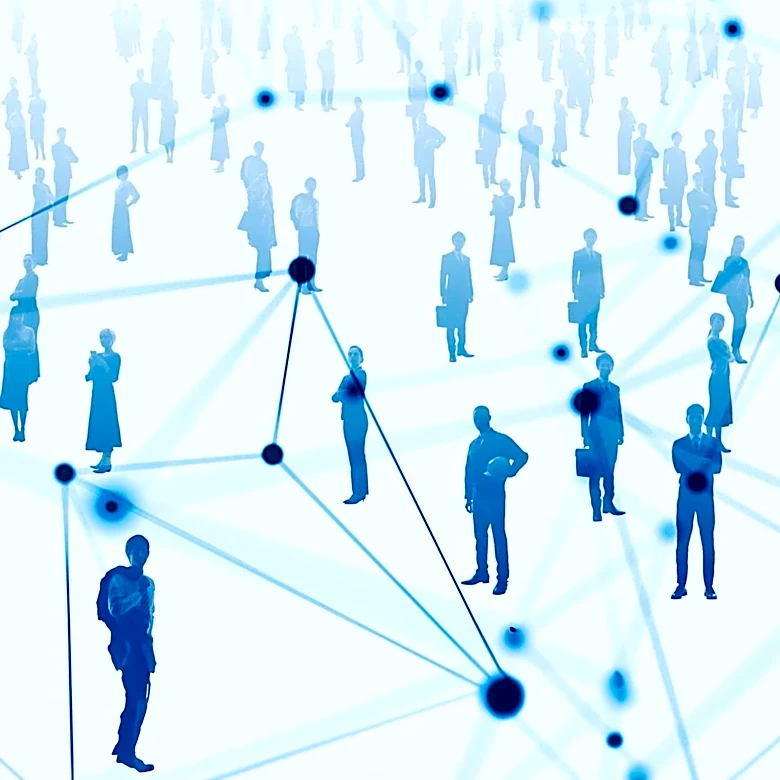
The latest evolution, often called Web3, is a response to the centralized nature of Web 2.0. Coined by Ethereum co-founder Gavin Wood in 2014, the core idea is to shift power back to the users and creators through decentralization. Using technologies like blockchain, smart contracts, and cryptocurrencies, Web3 aims to build an internet where users own their data, digital assets, and even a piece of the applications they use. Instead of data being stored on a company's servers, it lives on a distributed network. This model proposes a future where you don't just create content for a platform; you co-own the platform itself, sharing in the value you help create. While still an emerging vision, it represents a fundamental architectural and philosophical shift.
The Hidden Detail: Who Controls the Value?
This brings us to the detail many engineers miss when focused solely on the technology: the evolution of the web is really a story about the shifting flow of value and control. It’s not just about what users can do (read, write, own), but about who profits from those actions. In Web 1.0, value was controlled by the publishers who created the information. In Web 2.0, value was captured by the centralized platforms that hosted everyone else's information. These companies built massive economies by acting as intermediaries for user-generated content, creating a system where they reaped the financial rewards of the network effects their users generated. Web 3.0's core mission is to distribute that value back to the users and builders. By removing the need for a central authority to govern interactions, it allows value to be exchanged directly within the network. Understanding this economic and power dynamic—from publisher control to platform control to the promise of user control—is the key to grasping the true significance of each era and building the next generation of applications.