






The generative AI tools we use every day feel magical and effortless, but behind the curtain is a high-stakes economic battle. The race to AI dominance isn't just about creating the smartest model; it's a brutal fight over raw computational power.
The Soaring Price of Artificial Thought
Building
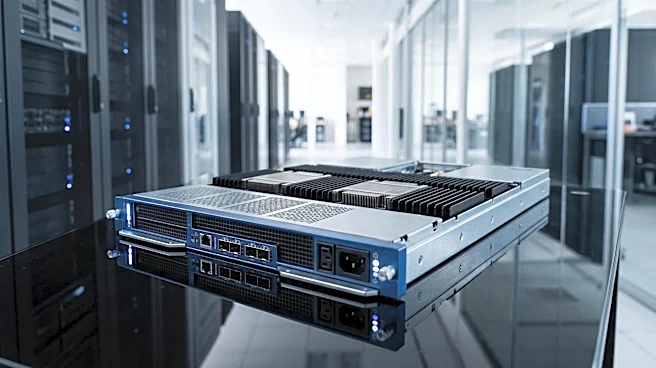
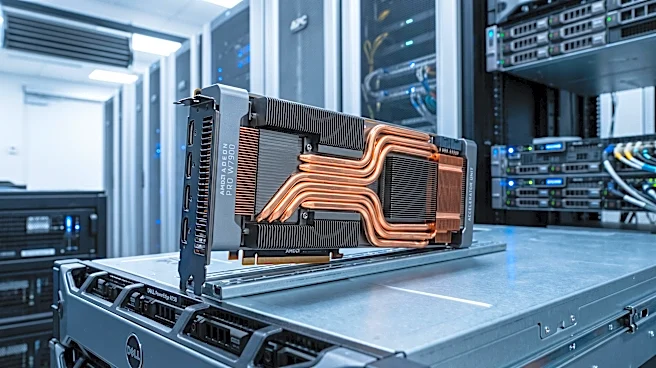
a frontier large language model (LLM) is one of the most expensive endeavors in modern technology. The primary cost driver is the sheer amount of computational power required. This isn't something you can do on a few powerful computers; it requires massive clusters of specialized chips known as Graphics Processing Units (GPUs). Training a state-of-the-art model can cost anywhere from tens of millions to well over $100 million in compute resources alone. For example, estimates for training models like GPT-4 range from $78 million to over $100 million. These costs are dominated by access to thousands of high-end GPUs, like NVIDIA's H100, which can individually cost over $25,000 to purchase and thousands per month to rent. Beyond the hardware, these data centers consume enormous amounts of electricity, adding another significant operational expense to the ledger. This initial training cost is a massive capital investment before a single user has even interacted with the model.
GPU Utilization: The Efficiency Holy Grail
In this high-cost environment, efficiency is everything. This is where a metric called 'GPU utilization' becomes critical. Think of a fleet of expensive delivery trucks. If they're sitting in the garage idle, you're losing money. GPU utilization measures the percentage of time a GPU is actively processing computations versus waiting for data. Low utilization means you are paying for an expensive asset that is sitting idle. The goal is to keep these digital workhorses as busy as possible, ideally with utilization rates of 85% or higher. However, achieving this is notoriously difficult. A GPU can be 'active' but not truly working efficiently, stuck waiting for data from slower parts of the system or performing suboptimal tasks. This mismatch, where GPUs can compute in microseconds while data takes milliseconds to load, is a central challenge in AI infrastructure. Every percentage point of improvement in utilization directly translates into millions of dollars saved and faster model development.
Meta's Hundred-Billion-Dollar Bet
No company exemplifies this highstakess balancing act better than Meta. CEO Mark Zuckerberg has committed to an aggressive AI infrastructure buildout, with capital expenditures for 2026 projected to be between $135 billion and $145 billion. Zuckerberg has spoken of being ready to write checks for $100 billion to $200 billion to secure Meta's position as an AI leader for decades. This massive spending spree is already impacting the company's financials. In recent quarters, Meta has reported strong revenue growth, partly thanks to AI improving its core advertising business. However, expenses have grown even faster, causing operating margins to shrink and, in the most recent quarter, turning free cash flow negative. This makes the economics of their AI operations intensely scrutinized. The company's profitability is now directly tied to its ability to not only fund this historic investment but also ensure the underlying infrastructure is run with maximum efficiency.
From Engineering Metric to Market Mover
The focus on GPU utilization and infrastructure cost is no longer just an internal engineering concern; it's a key narrative for investors and the market at large. Wall Street now watches Meta's capital expenditure guidance as a central metric for its AI strategy. The pressure is on to demonstrate a return on this colossal investment. While AI is already boosting engagement and ad prices on platforms like Instagram and Facebook, the company's margins are feeling the strain of building data centers and acquiring chips. For Meta and its competitors, the path to profitable AI isn't just about launching dazzling new products. It's about mastering the complex, behindthescenes economics of computation. The company that can train its models most costeffectively and run them with the highest utilization will have a significant competitive advantage than rivals.