








The Old War Is Over
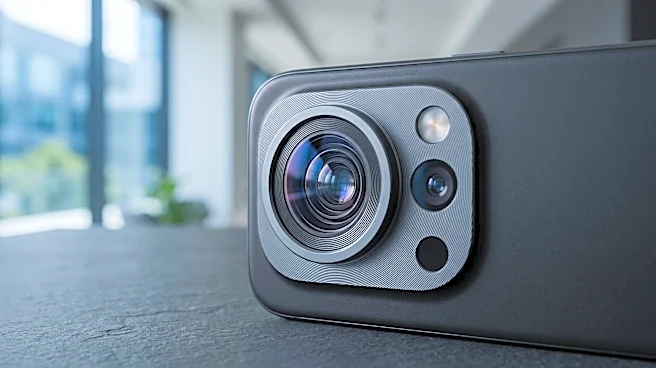
For years, the smartphone camera race was a straightforward numbers game. Who had more megapixels? Who had the biggest sensor? The marketing was simple, and the comparisons were easy. But that era is definitively over. Today, the frontier of mobile photography
isn't glass and sensors; it's code. This shift toward “computational photography” means that the software processing an image is just as important, if not more so, than the hardware that captures it. We've seen this evolution for years with features like Night Sight and Portrait Mode, which use algorithms to create images that traditional camera mechanics alone could not. Now, the focus is squarely on artificial intelligence to not just enhance, but fundamentally alter and improve the photographic process. The brands that win this new war will be the ones that tell the most compelling story about their software's intelligence.
A Stage for Google’s AI Prowess
More than any other company, Google's entire identity is wrapped up in artificial intelligence. The Pixel phone, in many ways, serves as the most tangible consumer-facing showcase for its AI dominance. While AI features are being integrated into tasks like calendar management and translation, the camera remains the most visual and instantly gratifying demonstration of its power. Features like Magic Eraser, Photo Unblur, and the new Magic Capture—which analyzes hundreds of frames to select the perfect moment—are not just tools; they are powerful marketing narratives. Just recently, Google rolled out new AI editing features for Google Photos, including 'Moods' and even an 'AI Wardrobe' function, underscoring its commitment to AI-driven image manipulation. For the Pixel 11, the camera isn't just for taking pictures; it's a vehicle to prove that Google's AI is smarter, faster, and more 'magical' than the competition's.
The YouTube Gauntlet
Tech YouTube thrives on conflict and clear narratives. Reviewers don’t just compare spec sheets; they stage battles. iPhone vs. Samsung. iOS vs. Android. And within those battles, the camera comparison is the main event. A nebulous claim of 'better photos' is hard to demonstrate, but a head-to-head test of specific, AI-driven features is content gold. Can the Pixel 11’s Magic Capture pull a better still from a video than the iPhone 18 Pro? Does Google's AI produce more pleasing skin tones than Samsung’s processing? These are the granular, debatable, and highly visual showdowns that drive views and engagement. A 'Camera-AI Showdown' is the perfect framing for 2026 because it allows for dramatic side-by-side comparisons that highlight tangible differences, creating clear winners and losers for their audience to debate in the comments section.
Drawing the Battle Lines
The competitive landscape sets this narrative up perfectly. Apple, with the iPhone 18 Pro, is leaning into hardware advantages like a new variable-aperture lens, while maintaining its philosophy of producing natural-looking images that don't feel overly processed. Samsung is known for its vibrant, often saturated colors and a kitchen-sink approach to features. Google's Pixel 11 slots in as the 'smart' camera. Its selling point isn't necessarily having the absolute best hardware—in fact, some reviews note the iPhone's hardware may be superior—but that its AI can save any shot. It promises the perfect photo through intelligent software, automatically fixing blur, removing distractions, or even selecting the best frame for you. This creates three distinct philosophies for YouTube reviewers to dissect: Apple's 'natural hardware,' Samsung's 'vibrant features,' and Google's 'AI magic.' For a platform that loves a good rivalry, it’s a gift.