
The Food Delivery Profit Puzzle
Let’s be honest: for a long time, the math on food delivery just didn't seem to add up. The core business of shuttling a single restaurant meal to a single customer is notoriously difficult and expensive.
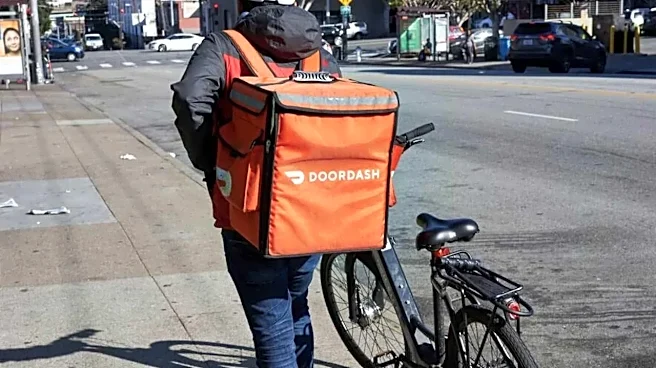
Between paying the driver, supporting restaurant partners, and running a massive tech platform, the profit margins on any given order were razor-thin, if they existed at all. For years, DoorDash, like its competitors, poured money into growth, capturing market share by subsidizing deliveries and expanding into new cities. This created a beloved consumer convenience but a persistent headache for investors watching the company burn through cash in its quest for dominance. The central challenge was clear: how do you turn a popular, low-margin service into a consistently profitable enterprise?
The Big Bet: Beyond the Burrito
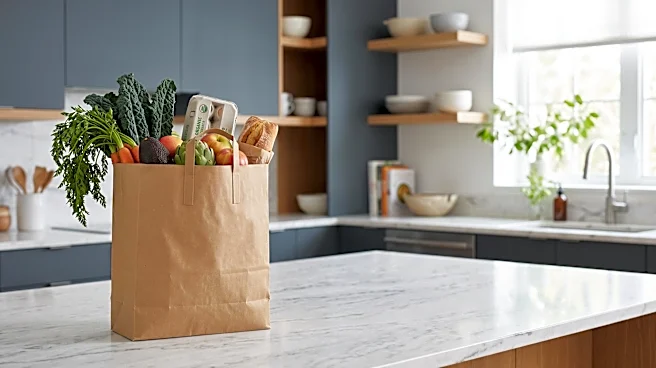
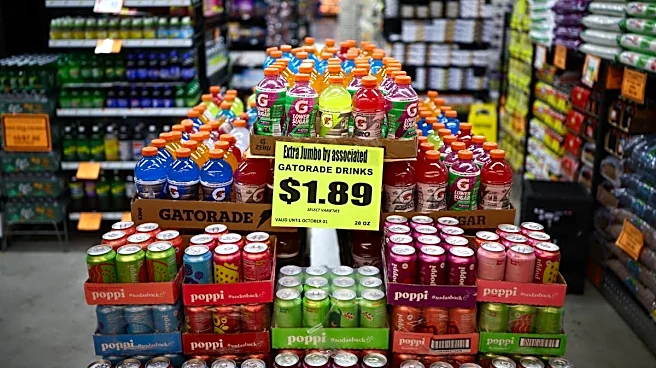
The strategic pivot was to stop thinking of DoorDash as just a restaurant-delivery app and start seeing it as a local logistics network for everything. The big bet was diversification into new 'verticals'—a business-speak term for categories like groceries, convenience store items, alcohol, and general retail. This wasn't just about adding more options; it was a fundamental shift. Instead of only being useful during the lunch and dinner rush, DoorDash aimed to become an all-day utility. Need batteries from Walgreens, groceries from Kroger, or a bottle of wine for dinner? The same network of 'Dashers' could deliver it all. This was a gamble. Grocery orders are more complex than restaurant meals, and it meant taking on established players like Instacart.
Building the 'Everything' App
Executing this vision meant leveraging DoorDash's key advantage: its dense network of drivers, especially in suburban areas where it had quietly built a dominant position. The company aggressively forged partnerships with major retailers, from grocery giants like Kroger to convenience stores and even clothing retailers like Kohl's and Gap. By late 2025, DoorDash had become the top third-party marketplace by order volume in the U.S. for both grocery and retail. At the same time, it supercharged its subscription service, DashPass. This created a loyal base of recurring revenue and encouraged users to order more frequently across different categories. Recent data shows that about 75% of all U.S. grocery and retail orders on the platform now come from DashPass members.
The Payoff: A New Profit Engine
The results of this strategic shift have been profound. While the restaurant business remains its largest segment, the push into new verticals is creating a powerful second engine for growth and profitability. In early 2024, DoorDash reported its first-ever profitable quarter on a standard accounting basis, a milestone largely credited to the scaling of its non-restaurant ventures. By mid-2026, the company was reporting significant year-over-year revenue growth and improving unit economics in its U.S. grocery and retail business. The portfolio of new verticals was on track to become gross profit positive in the second half of 2026. This diversification is turning DoorDash into a far stickier, more integrated part of its customers' lives. As CEO Tony Xu noted, the goal is to eventually have 100% of customers ordering from categories outside of restaurants; as of early 2026, that number was already around 30%.