
Apple’s Vision: The Polished Walled Garden
When we imagine Apple’s Worldwide Developers Conference in 2026, it’s not about one revolutionary device. It’s about the final sealing of the ecosystem. Drawing from its current trajectory with the Vision
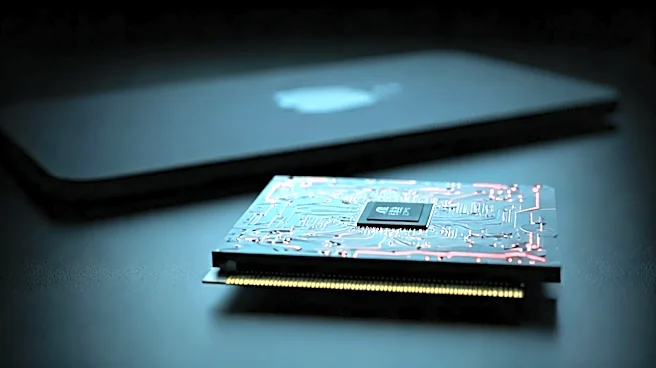
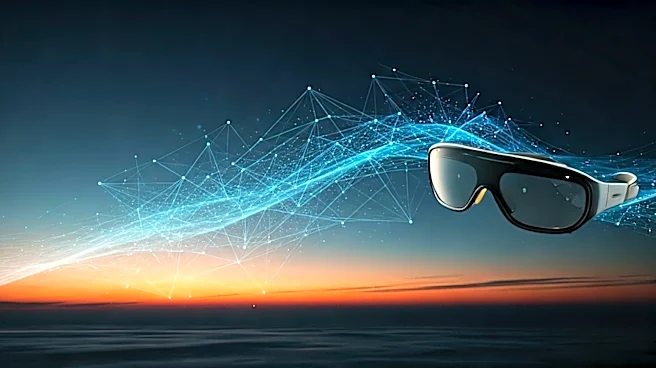
Pro and the introduction of “Apple Intelligence,” Apple’s future is one of seamless, premium, and controlled integration. By 2026, expect WWDC to showcase a lighter, more socially acceptable version of the Vision headset, perhaps dubbed “Apple Glasses.” The focus won’t be on the hardware itself, but on how visionOS, iOS, and macOS have merged into a single, fluid experience. The AI revealed in 2024 will have matured from a helpful assistant into a proactive partner, organizing your life within Apple’s pristine, private walls. The business model remains unchanged: sell expensive, beautiful hardware that works flawlessly with other Apple hardware, all powered by software that respects user privacy as a core feature. WWDC 2026 will be a masterclass in demonstrating an experience so polished and integrated that the high price of entry feels justified.
Meta’s Play: The Accessible, Open-ish Frontier
Across the field, Meta’s Connect 2026 event will tell a different story. If Apple is building a palace, Meta is trying to build the entire city. Guided by Mark Zuckerberg’s relentless push for the metaverse, Meta’s strategy is about ubiquity and network effects. Their path is visible through the affordable Quest 3 and the surprisingly successful Ray-Ban Meta smart glasses. By 2026, expect Meta to have doubled down on this approach. Connect will likely announce an even cheaper, more powerful Quest headset and more stylish, capable smart glasses. The big news, however, will be on the software side. Having already offered to license its Horizon OS to other hardware makers, Meta’s 2026 goal will be to become the Android of spatial computing. Their AI, woven into every interaction, won’t be about personal productivity as much as social connection and accessing the world’s information. It will be the voice in your ear in your smart glasses, translating a sign or reminding you of a friend’s birthday. Meta is betting that the future isn’t a single perfect device, but an ecosystem of many devices, all speaking the same digital language—theirs.
The Wearable Divide: Intentional vs. All-Day
The hardware itself reveals their philosophies. Apple sees computing as an intentional act. You put on a Vision Pro to be immersed in work or entertainment. You glance at your Apple Watch for a specific piece of information. These are powerful tools for discrete moments. By 2026, this will likely still be the case, with Apple’s wearables serving as powerful, task-oriented accessories to your life. Meta, on the other hand, is designing for an all-day, ambient computing experience. The Ray-Ban glasses are the template: a device you wear constantly that subtly enhances your reality with AI. For Meta, the ultimate wearable is one you forget you’re wearing until you need it. The 2026 landscape will force a choice: do you want a device you use, or a companion that lives with you? The former is a tool; the latter is a lifestyle.
AI as the Soul of the Machine
Ultimately, the competition isn't just about headsets and glasses; it’s about the intelligence that powers them. Apple Intelligence is framed as intensely personal. It understands *your* context, *your* data, and operates primarily on *your* device to protect privacy. It’s an extension of your own mind, designed for personal empowerment. Meta AI is being built as a universal, ambient assistant. It’s integrated into glasses, social media apps, and eventually, the world itself. Its power comes from its connection to the vast knowledge of the internet and the social graph. By 2026, the question will be which AI is more compelling: the private butler who knows you intimately, or the connected guide who knows the world? This is the true battleground where the future of human-computer interaction will be decided.