








1. Discord: From Gaming Niche to Mainstream Hub
Like Tinder, which first cornered the college market, Discord’s founders started by solving a problem for a passionate niche: gamers frustrated with clunky voice chat. Founders Jason Citron and Stan Vishnevskiy created a superior, low-latency free product
that spread like wildfire through word-of-mouth within gaming guilds and forums. The platform’s viral growth came from its users, who built and shared their own communities. The fascinating parallel is its pivot. Just as Tinder grew beyond hookups, Discord intentionally expanded its focus beyond gaming in 2020, rebranding as "Your place to talk." This move captured the massive shift to online communities during the pandemic, turning it into a $15 billion communication tool for everything from study groups to crypto enthusiasts.
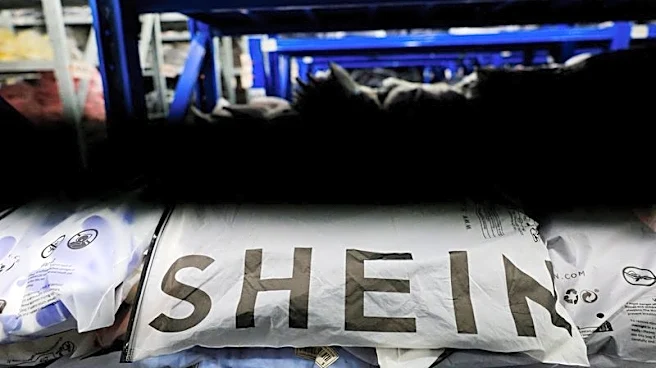
2. Shein: The Disruptor You Can’t Ignore
If Tinder gamified dating, Shein gamified fashion. Its story is one of breathtaking speed and controversial dominance. The company redefined "fast fashion" into "real-time retail" by using data to an extreme degree. By analyzing search trends and user behavior, Shein can design, test, and produce new clothing items in as little as three days, a cycle that leaves traditional retailers like Zara in the dust. Its business model relies on thousands of small-batch orders sent to a network of factories, allowing it to scale up only what sells and minimize waste on unpopular items. This agile supply chain, combined with aggressive social media and influencer marketing, allowed it to become the world's largest online fashion retailer, especially among Gen Z consumers.
3. Canva: Democratizing a Complex Skill
Tinder made finding a date as easy as swiping. Canva did the same for graphic design. Co-founder Melanie Perkins was teaching complex design software at a university when she realized how absurdly difficult it was for non-professionals to create simple visuals. That insight led to a mission to make design accessible to everyone. The journey wasn't easy; Perkins and her co-founders faced over 100 rejections from investors. But their persistence paid off. They first launched a niche product for creating school yearbooks, Fusion Books, to prove the model. When Canva finally launched in 2013, it filled a massive need for an intuitive, web-based design tool. Today, it’s a global powerhouse valued in the tens of billions, proving that simplifying a complex and intimidating field can unlock a colossal market.
4. Airbnb: Turning Strangers into Hosts
Before Tinder made meeting strangers online for dates normal, Airbnb was normalizing sleeping in a stranger's home. The company’s origin story is iconic: founders Brian Chesky and Joe Gebbia couldn't afford their San Francisco rent, so they threw some air mattresses on their floor and created "AirBed & Breakfast." This simple solution to a personal problem revealed a massive, untapped market. Like Tinder, Airbnb built a two-sided marketplace based on trust, pioneering features like user profiles and reviews to make people feel safe. Its growth came from disrupting the entrenched hotel industry from the outside, creating an entirely new category of travel. Along the way, it has faced significant regulatory battles and public scrutiny, much like the debates that have followed Tinder's impact on social norms.
5. Stripe: The Infrastructure Nobody Sees
While Tinder was building the front-end of new social connections, Stripe was building the back-end of the internet economy. Founded by Irish brothers Patrick and John Collison, Stripe was born from their own frustration as developers trying to accept online payments—a process that was incredibly clunky. They simplified it down to just seven lines of code, a revolutionary move that made it easy for any startup to start taking money. Stripe’s story is fascinating because its product isn't one you use directly; it’s the invisible engine powering millions of other businesses, from small startups to giants like Amazon and Shopify. Like Tinder, it solved a fundamental friction point with a simple, elegant solution, and in doing so, became essential infrastructure for a huge swath of the digital world.