



The Niche That Punched Above Its Weight
In the mid-2000s, a specific type of small business had a big problem. Event photographers and the burgeoning photo booth industry needed a way to give clients a physical keepsake instantly. Waiting for lab prints was too slow, and traditional desktop
inkjet printers were too bulky, slow, and fragile for on-site use. The demand wasn't just for a print; it was for a durable, high-quality photograph that could be handed to a guest within seconds, fresh from the camera. This niche market created a powerful incentive for hardware manufacturers: build a device that was fast, reliable, portable, and delivered professional results without being tethered to a computer.
Beyond the Bulky Deskjet
The answer came in the form of specialized compact printers. Instead of the familiar inkjet technology, many of these machines used dye-sublimation (or dye-sub). This process uses heat to infuse color from a ribbon directly into special paper, layering cyan, magenta, and yellow, before adding a clear protective overcoat. The result is a dry, waterproof, and surprisingly resilient photo that rivals lab quality. Technologies like ZINK (Zero Ink), which uses special paper with embedded heat-activated color crystals, also offered a simple, cartridge-free alternative, perfect for ultimate portability. Brands like Canon, DNP, and HiTi built a thriving market around these workhorse machines, focusing on cost-per-print, speed, and ruggedness—metrics that are critical for a business but were secondary in the consumer market at the time.
A Blueprint for Modern Gadgets
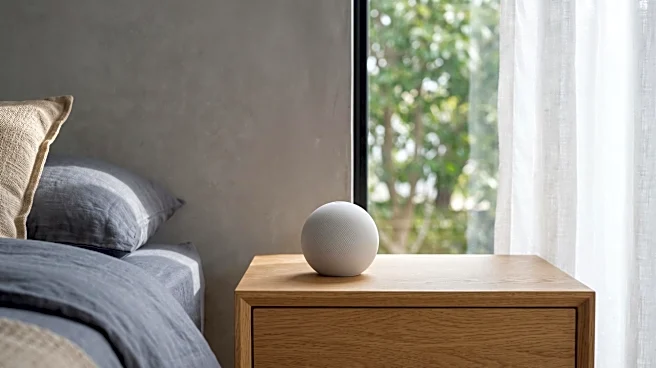
This is where the story gets interesting. The solutions designed for event photographers quietly established a blueprint for the future of consumer hardware. The first major innovation was true portability. These printers needed to be small enough to be carried to a wedding or party, often running on battery power, pushing the boundaries of miniaturization long before every device was expected to be pocket-sized. Second was direct connectivity. To eliminate the need for a laptop, these printers integrated Wi-Fi, Bluetooth, and memory card slots, allowing photographers to print directly from their cameras. This 'PC-free' operational model was a forerunner to the seamless ecosystems we expect today from our phones, smart speakers, and other connected devices. Finally, they championed the idea of single-purpose excellence. A professional photo printer doesn't browse the web or send emails; it makes excellent prints, quickly and consistently. This focus on doing one thing perfectly can be seen in the success of other dedicated devices, from e-readers to handheld gaming consoles.
Training Us to Expect More
While most consumers were still wrestling with slow, unreliable inkjets, a professional class of users was getting accustomed to a different standard: instant gratification, high-quality output, and hassle-free operation. This raised the bar. The features pioneered in the professional space began to trickle down. Consumers saw what was possible and started demanding better performance from their own hardware. The desire for mobile printing solutions grew as smartphones became our primary cameras. The expectation of durability, refined in dye-sub prints that could survive a spilled drink at a party, influenced our desire for more robust electronics. In essence, the small business photo printer market was a high-stakes focus group, field-testing the very features that would come to define the next generation of mainstream consumer hardware.