






The Sound Quality Is Genuinely Shocking
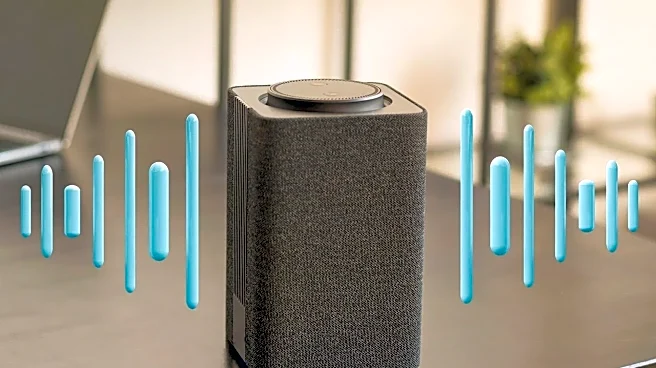
The number one thing that surprises new owners is the sound. Even years after its debut, the diminutive HomePod mini produces audio that feels impossibly large and rich for its size. Thanks to Apple's computational audio, which constantly analyzes and optimizes
the sound in real-time, it avoids the distortion that plagues other small speakers at high volumes. While a single mini won't rattle the windows with deep bass, the clarity and tonal balance are exceptional. The larger HomePod takes this even further, delivering room-filling sound that competes with much more complex audio setups. For many, the first time they hear their favorite track on a HomePod is a genuine 'wow' moment that exceeds expectations set by its minimalist appearance.
Siri Is Still a Work in Progress
Here's the flip side of the surprise coin: Siri. While perfectly capable of handling basic commands like setting timers, playing songs from Apple Music, or controlling HomeKit devices, Siri on HomePod often feels a step behind its competitors. Users coming from an Amazon Echo or Google Nest device may be surprised by Siri's comparative lack of general knowledge, conversational context, and third-party app integration. You can't ask it to play a specific playlist from Spotify with your voice, for example. While Apple continues to make improvements, with more advanced 'Siri AI' features rumored for upcoming models, the current experience can be a source of frustration for those expecting a truly omniscient assistant.
It’s a Secretly Great TV Speaker
One of the HomePod's most underrated features is its ability to serve as a high-quality speaker system for an Apple TV 4K. Pairing one or, ideally, two HomePods creates an immersive home theater experience, supporting formats like Dolby Atmos. A stereo pair of HomePod minis can often replace a budget soundbar, providing a wider soundstage and impressive clarity for dialogue and effects. The surprise here is how simple it is to set up and how effective it is in smaller to medium-sized rooms. What buyer's guides often note as a footnote is, for many, a transformative feature that elevates both their TV audio and the value of the speaker itself.
The ‘Home Hub’ Part Is a Bigger Deal Than You Think
Many people buy a HomePod for music, but they're surprised to find its most critical role might be as the brain of their smart home. Every HomePod and HomePod mini acts as a HomeKit hub, allowing you to control your accessories remotely. More importantly, they function as Thread border routers. In simple terms, Thread is a next-generation wireless protocol designed specifically for smart devices, making them faster and more reliable than those on Wi-Fi or Bluetooth. As more accessories adopt the Matter standard over Thread, the HomePod's role as a silent, powerful hub becomes increasingly central to a responsive and future-proof smart home.
It Demands Total Commitment to Apple
This shouldn't be a total shock, but the degree to which the HomePod locks you into Apple's world can be surprising. It’s not just an Apple-friendly speaker; it's practically an Apple-exclusive one. There is no standard Bluetooth mode for connecting an Android phone, and setup requires an iPhone or iPad. While you can use AirPlay to stream from a third-party app like Spotify, the deepest integration and voice control are reserved for Apple Music. This isn't a flaw but a fundamental design choice. For users deeply embedded in the Apple ecosystem, it feels like magic. For everyone else, it’s a beautiful, great-sounding walled garden.