





The Kickstarter Upstarts
The story doesn't begin in a Silicon Valley garage or a legacy electronics lab, but with a gripe among three friends in Shenzhen in 2017. Frustrated by the lack of quality wireless mechanical keyboards specifically for Mac users, they decided to create
their own. This wasn't some huge corporate venture; it was a passion project that turned to Kickstarter to see if anyone else shared their frustration. Their first campaign for the Keychron K1, a low-profile board, aimed for a modest $10,000 goal. It ended up raising over $300,000 from more than 4,000 backers. For many new users today who buy Keychron products from major retailers like Amazon, the fact that the company is less than a decade old and was funded by enthusiasts online is the first major surprise.
Solving the 'Mac Problem'
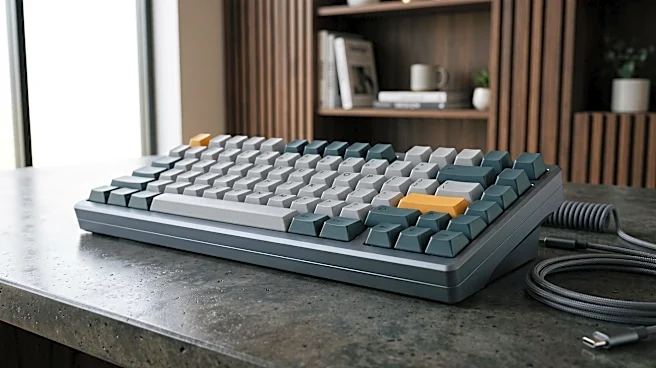
A huge piece of Keychron's initial explosion in the U.S. market was its laser focus on Apple users. For years, the mechanical keyboard world was overwhelmingly Windows-centric. Mac users who wanted a better typing experience were often left with keyboards that had incorrect key layouts and required complicated software workarounds. Keychron tackled this head-on. Their keyboards not only came with Mac-specific keycaps in the box but also featured a simple physical switch to toggle between Windows and macOS layouts. This 'it just works' approach for a large, underserved, and often affluent market segment was a brilliant strategic move that legacy brands had largely ignored.
From Niche to Mainstream
Keychron's growth from a niche, crowdfunded darling to a mainstream powerhouse has been incredibly rapid. The success of the K1 was followed by the K2, which raised over a million dollars on Kickstarter. The company developed a reputation for listening to its user base, using feedback from a growing Facebook community to iterate and improve its products. What started as a few models quickly ballooned into a portfolio of over 40 different keyboards, covering nearly every size and layout imaginable. This rapid expansion, launching two to four new products a month at times, helped it capture significant market share, eventually surpassing legacy brands like Logitech and Razer in share of voice within the mechanical keyboard category. This speed is a core part of its surprising history; few hardware companies can iterate and release products at such a pace.
Winning Over the Enthusiasts
Perhaps the most unlikely part of Keychron's story is its journey with the hardcore keyboard enthusiast community. Initially, many hobbyists were skeptical, viewing Keychron as a budget-friendly but basic option. However, the brand methodically began to integrate features previously found only in expensive, custom-built keyboards. They introduced hot-swappable circuit boards, allowing users to easily change switches without soldering. They embraced open-source firmware like QMK/VIA for full key remapping and customization. By offering premium features like aluminum cases, gasket-mounted designs, and Hall Effect magnetic switches at accessible prices, Keychron effectively democratized the custom keyboard experience. It became the perfect entry point for newcomers and a solid, reliable option for seasoned veterans, bridging a gap few thought could be closed.