




The Allure of the Connected Pet
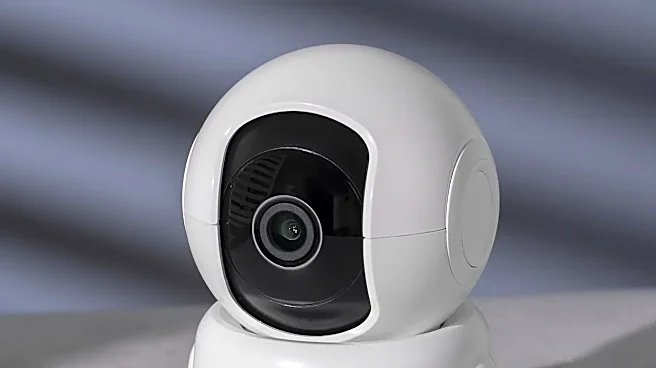
It’s easy to see the appeal of modern pet cameras. They’ve evolved from simple webcams into interactive hubs for your home. With features like two-way audio, you can soothe a barking puppy from your office. Smart alerts can notify you if your cat is meowing
or if there’s unexpected motion. Some devices can even pan and tilt to follow your pet around the room or toss them a treat on command. These gadgets promise a constant connection, turning abstract worry into concrete reassurance. For the 60% of pet owners who worry about their animals when they’re away, this technology feels like a lifeline. It offers a window into their secret lives, transforming your phone into a portal back home. But the convenience of these features often masks a more complicated reality.
The Subscription Trap You Didn't See Coming
That feature-rich camera you just bought might not be as capable as you think out of the box. The first hidden detail is the subscription model. Many of the most attractive features—like AI-powered alerts that can tell the difference between a pet and a person, cloud storage for recorded clips, and even some health monitoring—are often locked behind a monthly paywall. Without a subscription, which can range from $5 to $15 per month, your high-tech camera might only offer a live feed and basic motion alerts. For brands like Furbo, Petcube, and Wyze, the subscription is central to their business model. This turns a one-time purchase into a recurring expense that can cost hundreds of dollars over the life of the device, a crucial long-term cost that many buying guides fail to highlight.
The Real Hidden Detail: Your Home on a Server
Beyond the financial costs, the most significant overlooked detail is a matter of security and privacy. When your pet camera records a clip, where does it go? For most popular brands, that video of your living room, your family, and your daily routines is uploaded to a cloud server. This convenience creates significant risks. First, these servers can be, and have been, hacked. Brands like Ring and Wyze have experienced data breaches that exposed user footage. Second, company policies may allow employees to review footage for things like AI training. Finally, weak passwords or a lack of two-factor authentication can make your account an easy target for credential stuffing, where hackers use passwords stolen from other data breaches to access your camera feed. The camera you bought to watch your pet could become a window for others to watch you.
How to Buy a Pet Camera the Smart Way
So how do you choose a camera that protects both your pet and your privacy? The key is to shift your focus from flashy features to foundational security. Prioritize cameras that offer local storage options, such as a microSD card or a dedicated home base station. This keeps your video footage inside your home, not on a company’s server, drastically reducing the risk of a cloud data breach. Next, look for brands that offer end-to-end encryption (E2E), which ensures that only you can view your footage. Before buying, do a quick search for the brand’s name along with terms like “security breach” or “vulnerability” to see its track record. Finally, always change the default password to something strong and unique, and enable two-factor authentication if it's available. These steps ensure the device you bring into your home to secure your pet doesn’t end up compromising your own security.