




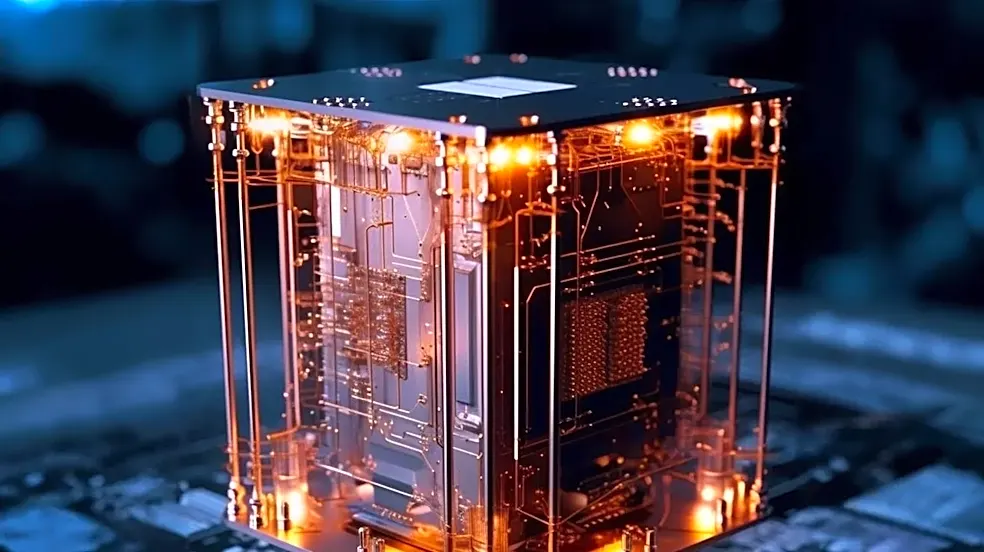


The In-House Hardware Play
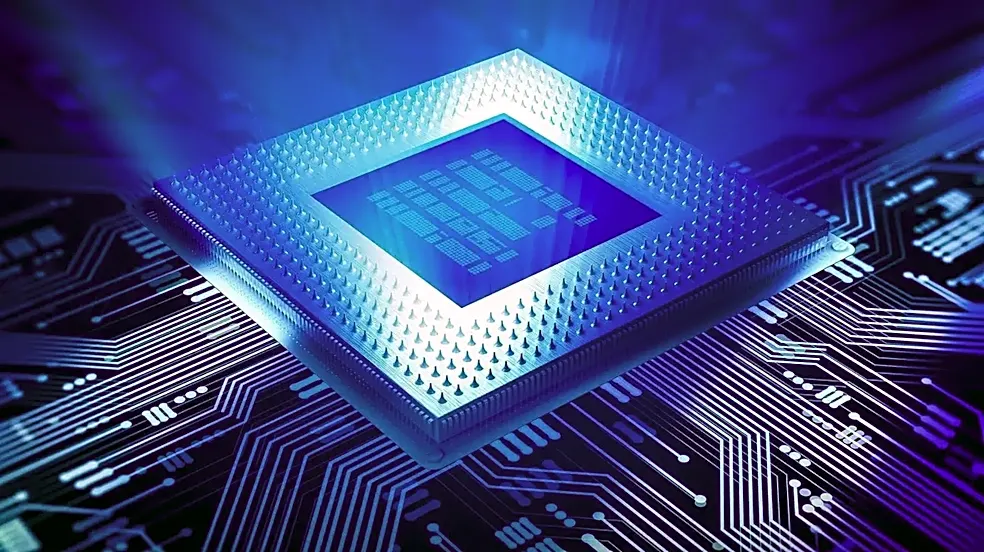
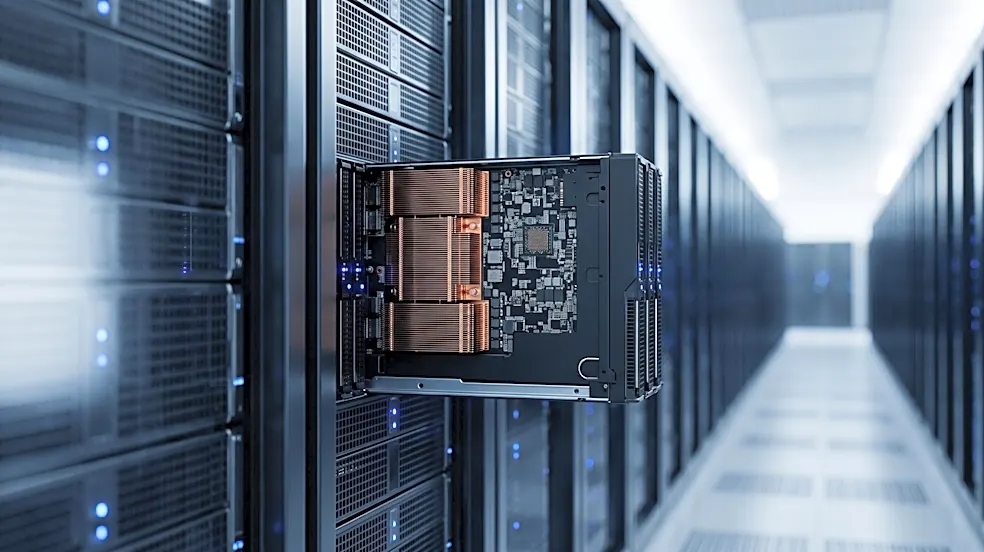
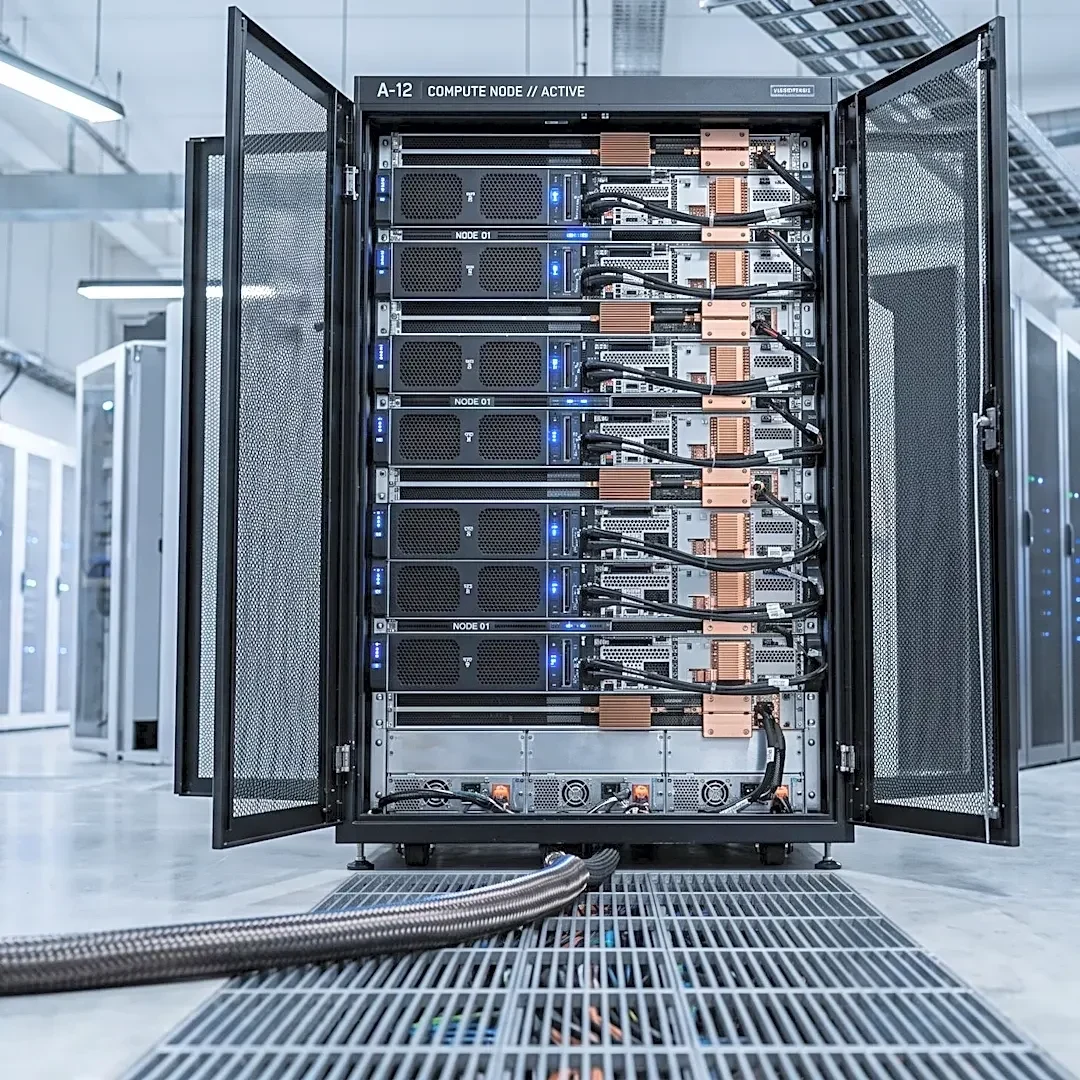
Microsoft is making a massive, multi-billion-dollar bet on itself. The company is rolling out its own line of custom-designed chips to power its sprawling Azure cloud data centers. The two headliners are the Maia AI accelerator, a chip built specifically
for running artificial intelligence workloads like those behind Copilot and OpenAI's models, and the Cobalt CPU, an ARM-based processor for general-purpose cloud services. The first generation, Maia 100 and Cobalt 100, were just the start. More powerful successors, like the Maia 300 expected to deploy at scale in 2027, signal a long-term commitment. By designing its own hardware from the ground up, Microsoft is 'reimagining every aspect of our data centres' to optimize performance, power, and, most importantly, cost.
Challenging the Nvidia Tax
For years, one name has been synonymous with the AI boom: Nvidia. The company's graphics processing units (GPUs) became the default engine for training and running complex AI models, giving it a near-monopoly. This dominance comes at a steep price, with demand for its high-end GPUs far outstripping supply, leading to soaring costs. For a company like Microsoft, which is spending tens of billions annually to build out its AI infrastructure, this reliance on a single, expensive supplier is a massive financial and strategic vulnerability. Developing custom chips like Maia is a direct response. It’s not about replacing Nvidia overnight—Microsoft will remain a major Nvidia partner—but about gaining leverage, diversifying its supply chain, and controlling its own destiny. Every workload Microsoft can run on its own, cheaper silicon is a workload it doesn't have to 'rent' from Nvidia.
Rewriting the Cloud's Financial Code
This is where the term 'cloud economics' becomes critical. By tailoring chips to its exact needs, Microsoft can achieve significant efficiencies. The company projects its Maia 300 chip will deliver 40% more AI output for the same amount of power as leading GPU-based systems. In an industry where electricity is a huge and growing constraint, that's a game-changer. These efficiencies translate directly to the bottom line. Lower operational costs can lead to higher profit margins for Microsoft on its Azure services. Alternatively, Microsoft could pass those savings on to customers, offering more competitive pricing for AI services and gaining market share. It’s a classic business move to become the low-cost producer, which is the ultimate position of power in a commodity market. This vertical integration—controlling the entire stack from the silicon chip to the software application—is a fundamental shift in cloud strategy.
An Arms Race Among Giants
Microsoft isn't alone in this silicon arms race. Its biggest cloud competitors, Amazon and Google, have been designing their own chips for years. Amazon has its Graviton processors for general computing and Trainium chips for AI, a business that has reportedly grown to a significant scale. Google has long used its Tensor Processing Units (TPUs) to power its search and AI services, and is even beginning to sell them to other companies. This industry-wide trend shows that at the highest level of cloud computing, relying on off-the-shelf parts is no longer enough. To compete in the era of AI, the hyperscalers believe they must become chip designers themselves, giving them an edge in performance, cost, and innovation that private data centers can't match.