




The Pitch: Your Home's Command Center
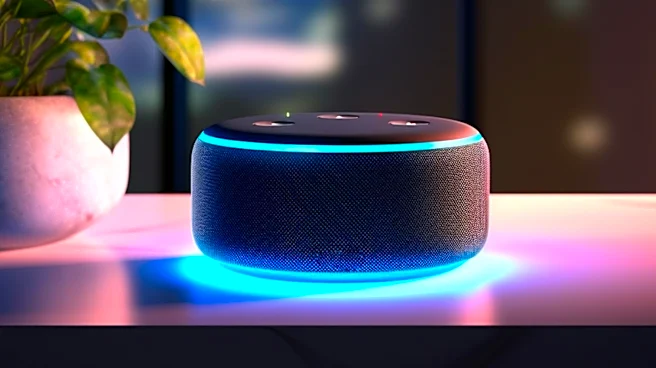
The marketing is seductive. A sleek screen in your kitchen can walk you through a recipe, play your favorite show while you cook, control your lights, and act as a video phone for calling relatives. Companies like Amazon, Google, and others present these
devices as the ultimate home hub, a central command station for your increasingly connected life. Reviews often reinforce this vision, focusing on speaker quality, screen brightness, and the responsiveness of the built-in voice assistant. They are sold as the next evolution of the smart speaker, adding a visual component to make the experience richer and more interactive. The promise is a seamless, hands-free future where your home bends to your every voice command, with a helpful screen to back it up.
The Hidden Detail: It’s Not a Tablet
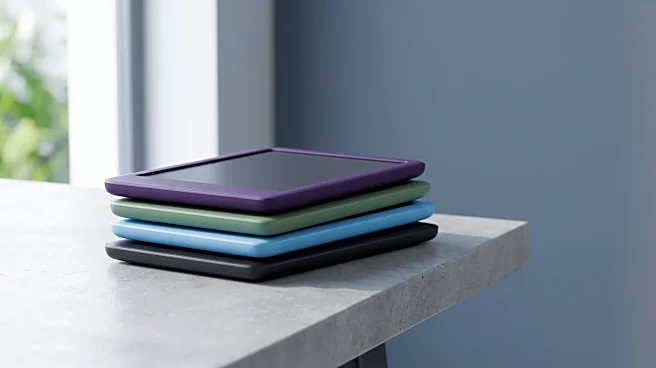
Here’s the part that gets lost in the shuffle: a smart display is not a tablet. It might have a touchscreen, but it is not a versatile, all-purpose device. The hidden detail is that you cannot freely install apps. Smart displays run on closed operating systems, like Android Things, which are intentionally limited. You don't get a Google Play Store or an Apple App Store. Instead, you get a curated, and often very small, selection of “skills” or built-in functions that the manufacturer allows. This isn't an oversight; it's a core business decision. The goal is to lock you into a specific ecosystem (Amazon's Alexa or Google's Assistant) where the company controls the experience entirely. They are designed to be simple portals for their voice assistants, not open platforms for your favorite services.
Why Short-Term Reviews Miss This Point
Most product reviews are conducted over a few days or a week. During this honeymoon phase, reviewers test the main selling points: asking for the weather, playing music from a linked Spotify account, and making a test video call. On these tasks, the devices perform well. The deeper frustrations don't surface until you've lived with the device for months. You realize you can’t pull up a specific recipe blog, only the ones the assistant chooses. You can’t use your preferred calendar or to-do list app if it isn't explicitly supported. Long-term user complaints often highlight how a device's functionality can degrade or become frustratingly limited over time, something a quick review rarely captures. This limitation is a feature, not a bug, designed to keep the experience streamlined and controlled by the platform owner.
What This Means For Your Daily Life
This closed-system approach has real-world consequences. Imagine trying to watch a niche streaming service that doesn't have a deal with Amazon—you can't just download the app. Want to use a specific white noise app for your baby? You're out of luck unless it's available as a voice 'skill'. The lack of an open app ecosystem means a fundamental lack of choice and flexibility. While you can often cast content from your phone, this defeats the purpose of a standalone device. Ultimately, you are renting a space on your countertop for Amazon or Google to serve you their preferred content and services. In some cases, this even includes unsolicited ads that can interrupt your photo slideshows. This contrasts sharply with an old tablet propped up on a stand, which can run virtually any app you want, offering far more utility for tasks beyond simple voice commands.