







The King Is Dead
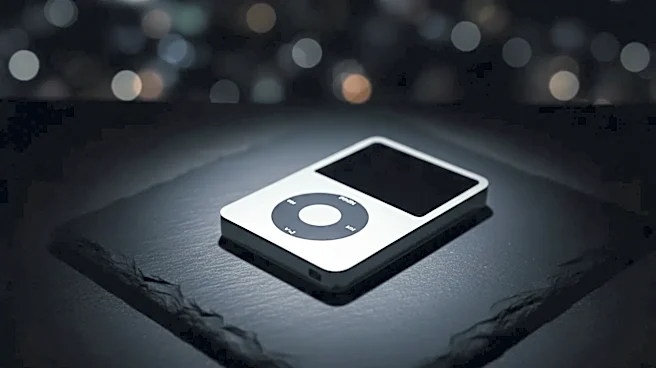
It’s hard to overstate the iPod's dominance in the 2000s. Launched in 2001 with the promise of “1,000 songs in your pocket,” it wasn’t just a product; it was a cultural phenomenon. The iconic white earbuds were everywhere, a status symbol that signaled
you were part of the digital music revolution. At its peak, the iPod accounted for nearly 40% of Apple's total revenue, selling over 450 million units in its lifetime. It was, for a time, the engine of the company. Then, Apple did the unthinkable. It slowly and deliberately began to phase it out, discontinuing the iPod Classic in 2014, the Nano and Shuffle in 2017, and finally, the last iPod Touch in May 2022. To outsiders, it looked like madness. In reality, it was one of the most brilliant business moves of the 21st century.
The Cannibalization Doctrine
The decision was driven by a core philosophy championed by Steve Jobs: “If you don't cannibalize yourself, someone else will.” Jobs and his team saw the future with unnerving clarity. They knew that the functionality of a music player would eventually merge with that of a mobile phone. Rather than waiting for a competitor like Nokia or Samsung to create an “iPod killer,” Apple decided to build it themselves. The iPhone, introduced in 2007, was explicitly marketed as three revolutionary products in one: a mobile phone, an internet communicator, and a widescreen iPod with touch controls. The message was clear. The iPhone wasn’t just a new product; it was the iPod’s successor. Apple chose to eat its own young before another company could.
Building a More Profitable Fortress
Cannibalization wasn't just a defensive move; it was an incredibly lucrative offensive one. The iPhone was a far more profitable device than the iPod ever was. It carried higher margins and, more importantly, it wasn't a single-purpose gadget. It was a pocket-sized computer that tethered users to a rich and sticky ecosystem. The iPod had introduced millions to iTunes, but the iPhone locked them into the App Store, iCloud, and a growing suite of services. Each iPhone sold was a gateway to a continuous revenue stream that a standalone music player could never offer. By 2010, iPhone sales had already overtaken the iPod's. Shifting focus from the high-volume, lower-margin iPod to the premium-priced iPhone fundamentally transformed Apple’s financial trajectory, catapulting it toward becoming the world's most valuable company.
The Legacy of Ruthless Focus
This strategy wasn't an isolated incident. It’s part of a pattern of ruthless simplification that defines Apple. When Jobs returned to a near-bankrupt Apple in 1997, he famously slashed 70% of the product line, reducing a confusing array of dozens of models down to a simple four-box grid. This relentless focus allows the company to pour its best resources into a handful of exceptional products rather than spreading them thinly across many good ones. We see this today. Killing the headphone jack drove sales of AirPods. Phasing out certain MacBooks streamlines the laptop lineup. By intentionally discontinuing a beloved and best-selling product, Apple demonstrated a rare corporate discipline. It proved it was more committed to owning the future than it was to protecting its past successes.