





In a world buzzing about AI, Amazon is placing a massive, multi-billion-dollar bet on something else entirely: space. The company is pouring capital into a venture so risky and expensive that most rivals wouldn't dare touch it.
The $10 Billion Bet on the Stars
The bet is named Amazon
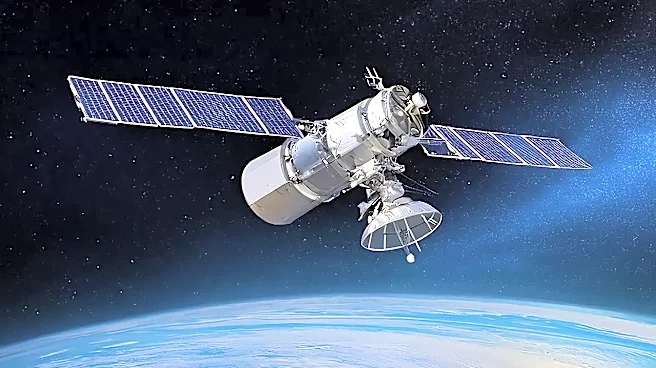
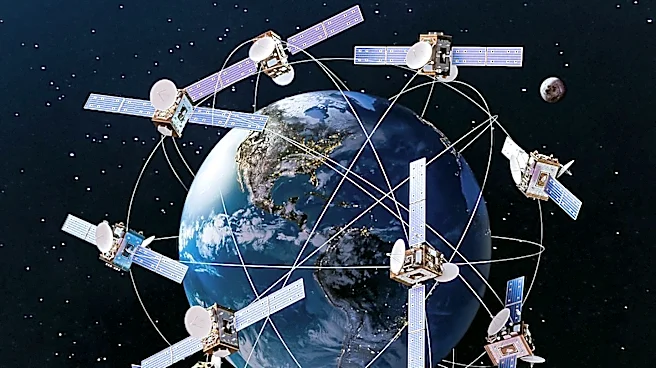
Leo, formerly known as Project Kuiper. It’s an ambitious plan to launch a constellation of over 3,200 satellites into low Earth orbit (LEO) to blanket the globe in high-speed internet. This isn't just a side project; Amazon has committed more than $10 billion to get it off the ground, covering everything from satellite manufacturing to securing the largest commercial rocket procurement in history. The goal is to connect the 'unconnected and underserved'—a market of tens of millions of potential customers in rural and remote areas where fiber optic cables can't or won't go. After launching its first prototype satellites in late 2023 and beginning initial deployments, Amazon is now in the race to build a functional network in the sky.
An Astronomical Price Tag and Risk
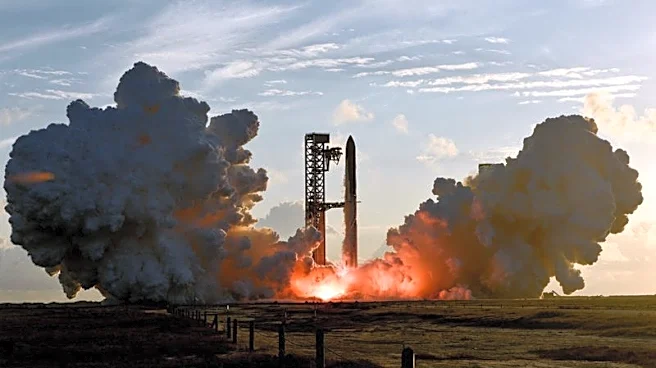
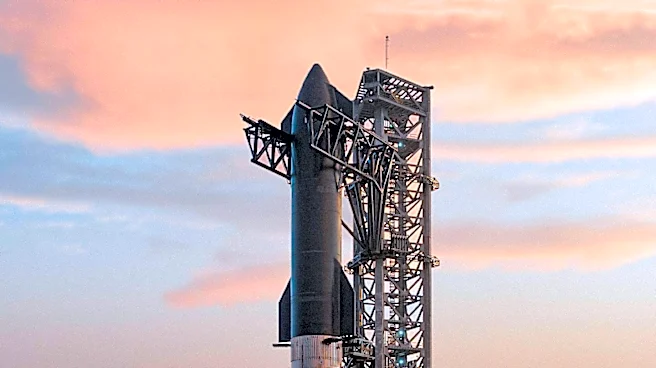
Building an internet service from space is monumentally expensive and fraught with risk. The history of satellite internet is littered with ambitious, bankrupt ventures that serve as a warning. The upfront costs are staggering, involving not just the design and mass production of thousands of complex satellites, but also paying for dozens of heavy-lift rocket launches. Amazon has already booked more than 80 launches from providers like ULA, Arianespace, and Jeff Bezos's own Blue Origin. Beyond the financial hurdles, there are immense technical and logistical challenges. Operating a constellation of thousands of satellites requires flawless deployment, sophisticated ground stations, and constant management to avoid collisions and space debris—all while facing down a formidable, established competitor.
Why Other Companies Stayed Away
So why is this a bet 'nobody else would make'? For most publicly traded companies, a project with a decade-long timeline to profitability and billions in upfront capital expenditure is a non-starter. The primary reason is the head start enjoyed by SpaceX's Starlink. By the time Kuiper launched its first production satellites, Starlink already had thousands of satellites in orbit and millions of paying customers, creating an immense barrier to entry. For any company other than a handful of giants, attempting to replicate that success would seem like financial suicide. The combination of sky-high costs, long-term uncertainty, and a dominant first-mover competitor has kept most potential rivals, from telecom incumbents to other tech giants, firmly on the sidelines.
The Classic Amazon Endgame
For Amazon, however, the logic is different. The company has a long history of making massive, long_term infrastructure investments that lose money for years to build a dominant market position. The real prize for Amazon isn't just selling internet subscriptions. The true value lies in integrating Kuiper into its existing empire. A global, low_latency satellite network provides a powerful backbone for Amazon Web Services (AWS), its massively profitable cloud computing division. It would allow AWS to offer secure, reliable connectivity to enterprise and government clients anywhere on the planet, from remote industrial sites to mobile military units. Furthermore, it brings millions of new customers in underserved regions directly into Amazon's ecosystem, creating new markets for its e_commerce and media services. It’s a move to own the final, crucial link in the global data supply chain.