



The Earnings Hype vs. The Financial Reality
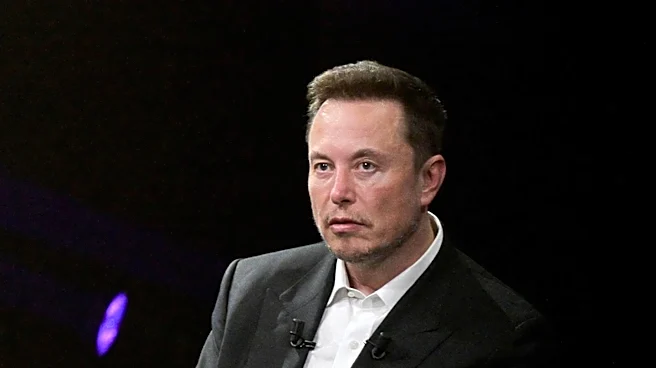
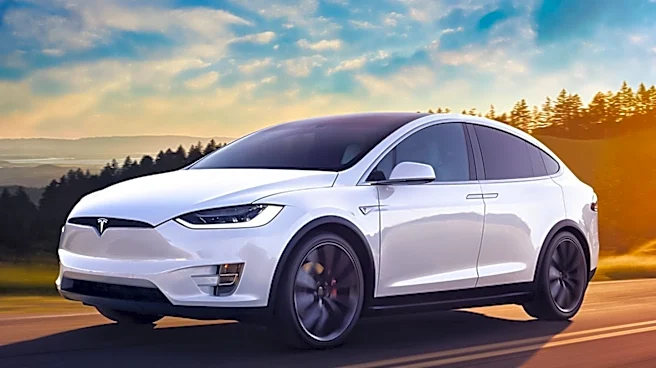
Tesla's Q2 2026 earnings were a mix of impressive growth and sobering costs. The company announced record revenue of $28.2 billion, crossing the $100 billion mark in trailing-twelve-month revenue for the first time. Deliveries also hit a record high for the second
quarter at over 480,000 vehicles. CEO Elon Musk noted a high take-rate for the Full Self-Driving (FSD) subscription, suggesting strong consumer interest. However, the numbers below the surface tell a more complicated story. Profits missed analyst expectations significantly, and the company reported negative free cash flow, largely due to massive spending on AI, the Optimus robot, and other future-focused projects. While the top-line numbers show a healthy core business, the heavy investment and missed profit targets underscore that building the future—especially an autonomous one—is an expensive, long-term gamble, not a switch that was just flipped.
What 'Full Self-Driving' Actually Means Right Now
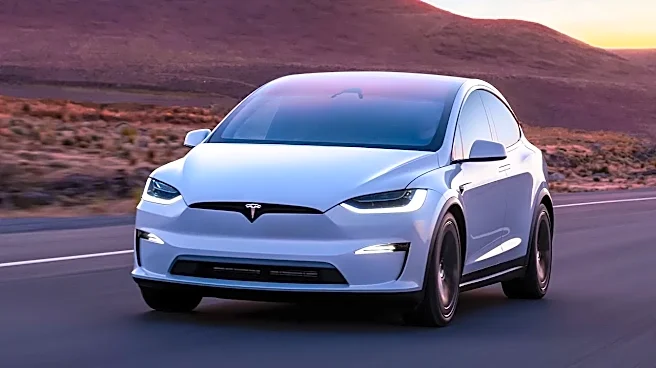
This is the most crucial point of confusion. Despite its name, Tesla's "Full Self-Driving (Supervised)" is not a fully autonomous system. According to the industry-standard levels of automation from the Society of Automotive Engineers (SAE), FSD is a Level 2 system. This means it's an advanced driver-assistance system that can handle steering, braking, and accelerating, but it requires the driver to be fully attentive and ready to take over at any moment. The jump from Level 2 to Level 4 or 5—where the car is truly in control under specific conditions (Level 4) or all conditions (Level 5)—is monumental. A Level 4 vehicle can operate without a human driver in a defined area, like Waymo's robotaxi service in a few cities. A Level 5 car wouldn't even need a steering wheel. Tesla's system, while constantly improving through data collection and AI updates, remains firmly in the category that demands a human supervisor.
The Hurdles Beyond the Code
Even if the technology were perfected overnight, the road to a driverless future is blocked by two massive hurdles: regulation and public trust. As seen recently in France, regulators are moving with extreme caution. The French Transport Minister explicitly withheld approval for FSD in its current form, citing safety concerns and emphasizing that the driver remains fully responsible. This kind of regulatory friction is happening worldwide, with no unified global standard for autonomous vehicle safety or liability. Beyond the government, there's the human element. The idea of ceding control to a machine is a major psychological leap. Every accident involving an autonomous or semi-autonomous vehicle is heavily scrutinized, creating a trust deficit that will take years and billions of miles of proven safety data to overcome. Tesla's own safety reports show FSD-equipped vehicles crashing far less frequently than the U.S. national average, but winning over public perception is a different battle than winning a statistical argument.
So What Does the Progress Actually Signal?
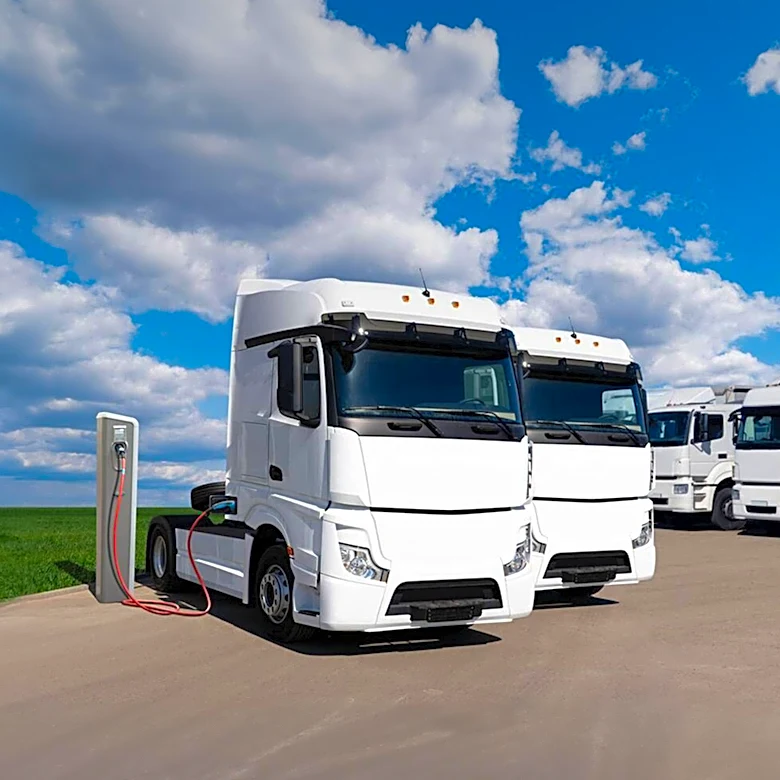
Tesla's progress is real and significant—just not in the way the hype suggests. The company is playing a long game centered on real-world artificial intelligence. Every mile driven by a Tesla with FSD (Supervised) enabled is a data-gathering exercise, feeding a neural network that constantly learns. Recent updates aim for the system to learn a driver's individual preferences, reducing the need for interventions based on style rather than safety. This data is an enormous competitive advantage. Furthermore, Musk’s recent earnings call comments about eventually upgrading older Hardware 3 cars show the company is thinking about the entire fleet, even if the plan remains vague. The investment in AI and robotics isn't just for cars; it's for products like the Optimus humanoid robot and the Tesla Semi, which is now slated to get self-driving capabilities by early 2027. This is less about an immediate robotaxi fleet and more about building a foundational AI engine that will power Tesla's entire future product ecosystem.