







The Three-Headed Social Hydra
First, forget thinking of Meta as just “Facebook.” The company’s primary strength is its “Family of Apps”—Facebook, Instagram, and WhatsApp—which together create an astonishingly resilient ecosystem. As of early 2026, more than 3.5 billion people use
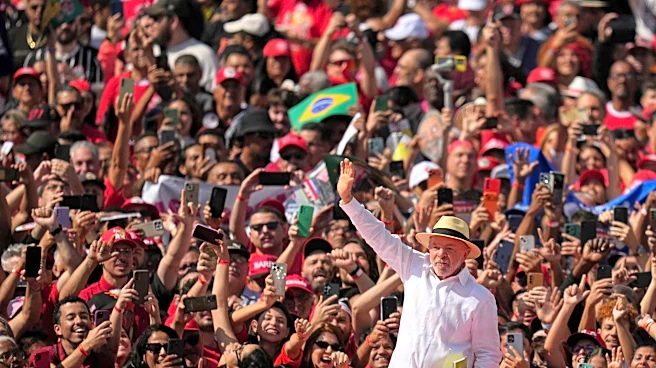
at least one of these apps every single day. This isn’t just a massive audience; it’s a strategic trifecta. Each app serves a different psychological need: Facebook for community and life updates, Instagram for visual aspiration and discovery, and WhatsApp for private, intimate communication. While a competitor like TikTok might challenge Instagram for attention, it doesn't compete with WhatsApp’s role as a fundamental utility for daily conversation, especially in massive markets like India and Brazil. This multi-platform dominance gives Meta extraordinary resilience; if engagement wanes on one app, users are often still deeply embedded in another.
An Invisible Kingdom of Infrastructure
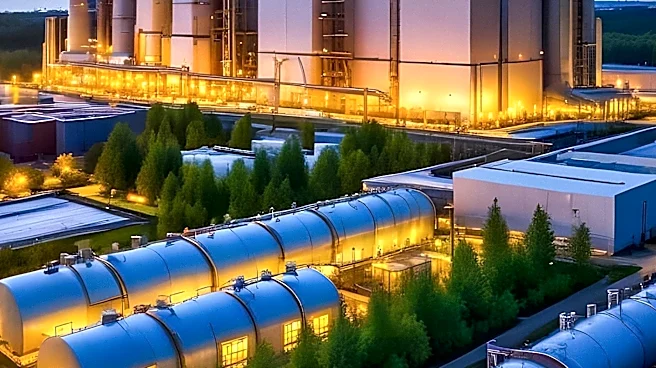
Meta's most underestimated asset might be the one you can’t see. The company has been pouring billions into building a colossal, privately-owned physical infrastructure. This includes massive data centers and a sprawling network of subsea fiber-optic cables that shuttle data across oceans. For instance, its planned 'Waterworth Project' will be longer than the Earth’s circumference, connecting five continents to ensure its services are fast and reliable. Owning this infrastructure is a game-changer. While competitors might rent server space from Amazon or Google, Meta controls its own data highways, reducing reliance on others and creating a massive barrier to entry. This physical moat ensures that even if rivals create a popular app, they can’t easily replicate the global performance and efficiency that Meta has built over a decade, with capital expenditure plans for 2026 reaching as high as $145 billion to further extend this lead.
WhatsApp: The Quiet Giant
Wall Street has long been puzzled by WhatsApp. After acquiring it for $19 billion in 2014, Meta left it largely unmonetized for years. But this was a strategic masterstroke. WhatsApp has become the default communication tool for over two billion users, replacing SMS in huge swaths of the globe. It’s a sticky platform people rarely leave. Now, Meta is slowly turning on the monetization engine through its WhatsApp Business platform, which allows companies to communicate directly with customers for support and sales. These “click-to-message” ads on Facebook and Instagram that lead to a WhatsApp chat are already one of Meta's fastest-growing revenue streams. This positions WhatsApp not just as a messaging app, but as the future backbone for conversational commerce—a multi-billion dollar opportunity that is just getting started.
The AI and Data Flywheel
Finally, all these pieces feed a powerful AI engine that gets smarter with every interaction. Meta's massive user base across its apps generates an unparalleled volume of data, which is used to train its AI models. This AI does more than just personalize content feeds; it powers one of the most sophisticated advertising machines ever built. Better AI leads to more relevant ads, which delivers a higher return for advertisers, who in turn spend more money. That revenue then funds more investments in infrastructure and AI research, creating a self-reinforcing loop. While competitors can build algorithms, they lack the sheer scale of Meta's integrated data ecosystem, which spans social graphs, private messages, and creator content, giving its AI a comprehensive understanding of user behavior that is nearly impossible to replicate.