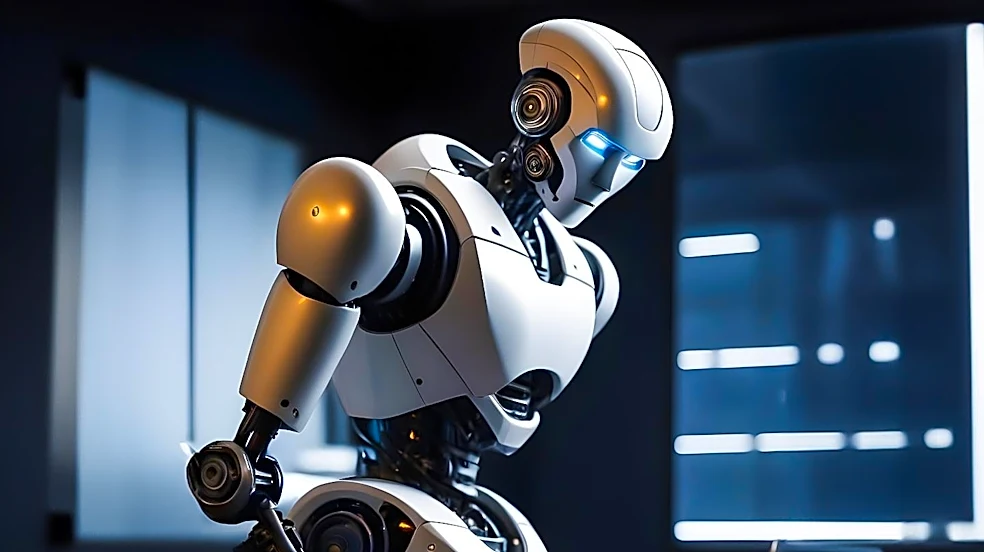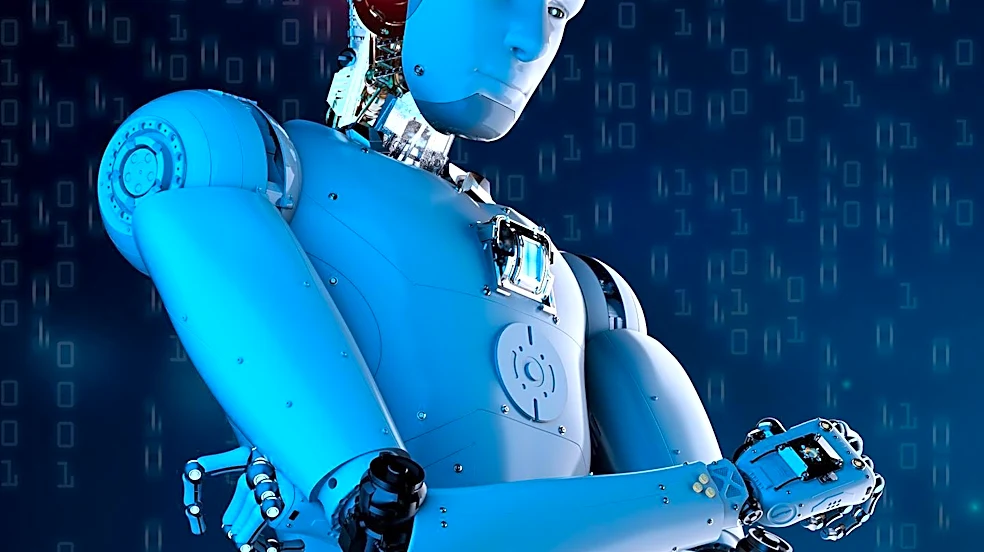








1. AI Foundation Models for Robots
Imagine a universal translator, but for robots. That's the promise of foundation models. Much like ChatGPT learned from the internet, these AI systems are trained on massive datasets from various robots performing countless tasks. The result? A robot can
learn a new skill—like sorting recycling—without being programmed from scratch for that specific task, dramatically speeding up deployment.
2. Advanced Bipedal Locomotion
For years, getting two-legged robots to walk without looking like they've had one too many drinks was a massive challenge. No more. Inspired by the biomechanics of humans and even birds, engineers have cracked the code for stable, efficient, and agile walking. This allows humanoid robots to finally navigate complex, human-centric environments like warehouses, disaster sites, and eventually, our homes.
3. Soft Robotics and Delicate Gripping
Not every job needs a crushing metal claw. The rise of soft robotics, using materials like rubber and air-powered actuators, is giving robots a gentle touch. These squishy grippers and arms can handle everything from a piece of fruit to a delicate surgical instrument without causing damage. It's essential for logistics, agriculture, and safe human-robot interaction.
4. Imitation and 'Few-Shot' Learning
The fastest way to learn is by watching an expert. Robots are now doing just that through imitation learning. An operator can guide a robot through a task just once or a few times—a 'few shots'—and the AI can generalize that motion to perform the task autonomously. This drastically cuts down on complex programming and lets robots learn nuanced physical skills that are difficult to code manually.
5. Bio-Inspired Tactile Sensing
Our sense of touch tells us if an object is hot, rough, or slipping from our grasp. Robots are finally getting this same sixth sense with 'electronic skin'. These flexible sensor arrays can be wrapped around a robot's body, providing rich data about pressure, texture, and temperature. This allows for safer interaction and more dexterous manipulation, akin to the sensitivity of human skin.
6. Self-Healing Materials
What happens when a robot gets a cut? Soon, it might just heal itself. Researchers have developed amazing new materials, often composed of soft polymers or liquid metal composites, that can automatically repair damage. A puncture or tear can mend itself at room temperature, restoring both structural integrity and electrical conductivity. This is a game-changer for robots operating in harsh or remote environments.
7. Energy-Efficient Actuators
One of the biggest hurdles for mobile robots is battery life. A powerful robot that only runs for 20 minutes isn't very useful. A quiet revolution is happening in actuators—the 'muscles' that drive a robot's movements. New designs are dramatically more energy-efficient, allowing robots to operate for longer periods on a single charge. This is crucial for making autonomous robots practical for full-day shifts in logistics or security.
8. True Human-Robot Collaboration
For a long time, industrial robots were kept in cages for safety. Today, that's changing thanks to advanced sensors and AI that allow for safe, direct collaboration. A 'cobot' can now work alongside a human, sensing their presence and adapting its movements in real-time to avoid collisions. This creates a partnership where the robot handles the heavy lifting or repetitive tasks, freeing up the human for more complex work.
9. Advanced Swarm Intelligence
One robot is useful, but a hundred robots working together can be transformative. Major breakthroughs in AI are enabling 'swarm intelligence,' where large groups of simpler, cheaper robots coordinate their actions without a central controller. Think of a fleet of drones mapping a forest fire or a team of small bots managing a warehouse floor. They communicate and adapt as a collective, tackling large-scale problems efficiently.
10. The Rise of 'Edge' Processing
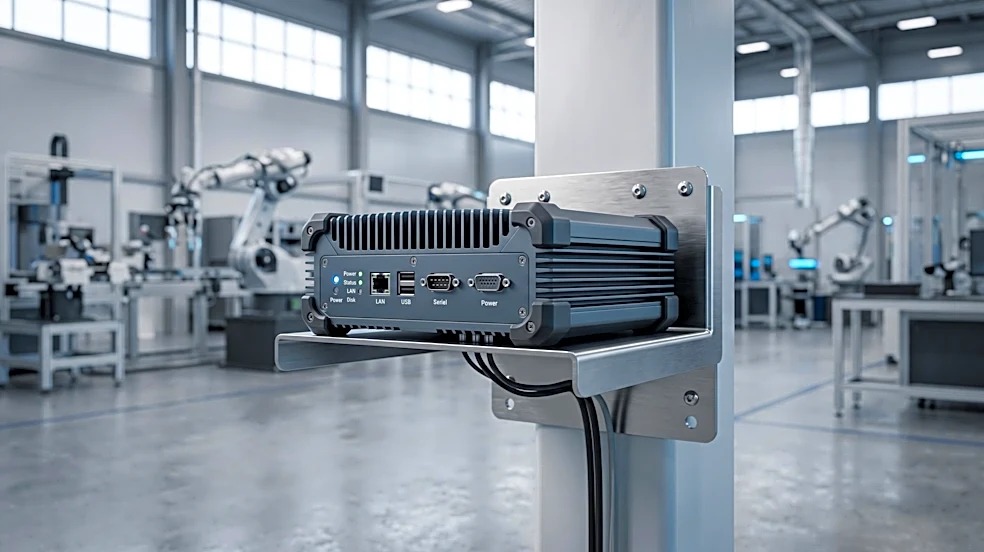
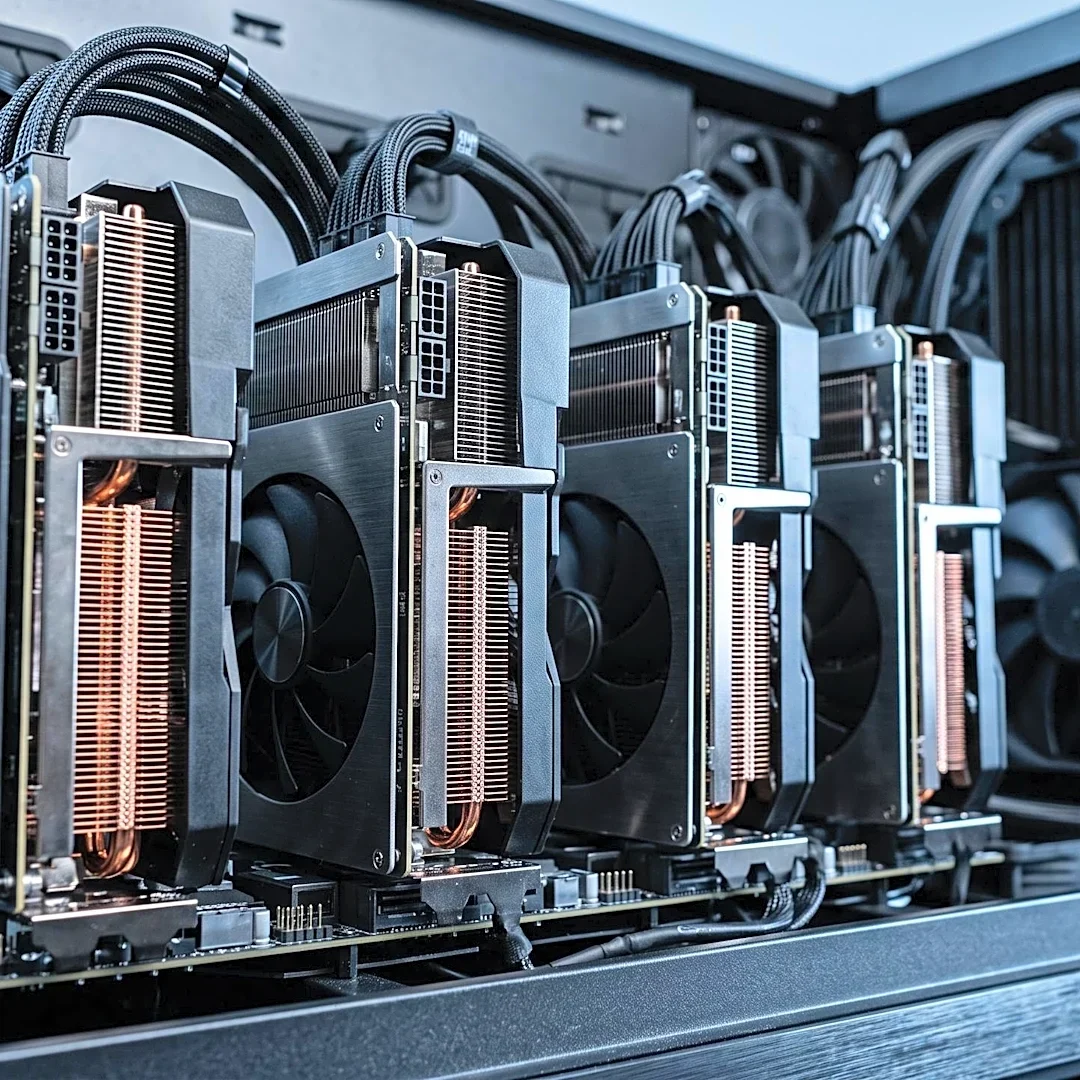
Not every decision can be sent to the cloud and back. For a robot to react instantly—to catch a falling object or avoid a sudden obstacle—it needs powerful onboard processing. This is 'edge computing'. Advances in specialized chips mean that complex AI calculations can now happen directly on the robot itself. This low-latency intelligence is what makes real-time, real-world interaction possible.