






Why Spec Sheets Don't Tell the Whole Story
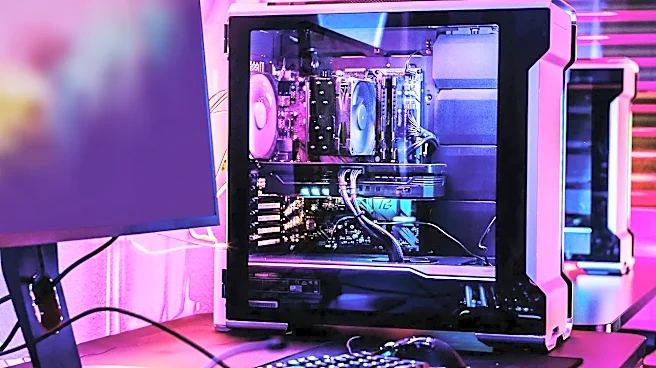
Reading a spec sheet is like reading a list of ingredients without the recipe. A powerful processor or a top-tier graphics card is great, but those numbers only measure performance in a vacuum. A gaming PC isn't a collection of parts; it's a system. The
'real reason' a budget build can feel so good is that a smart builder focuses on the recipe—how the components work together—rather than just buying the most expensive individual ingredients. High-end parts are often designed for extreme workloads that most gamers don't actually need, leading to diminishing returns where you pay much more for a tiny performance increase.
The Art of Component Synergy
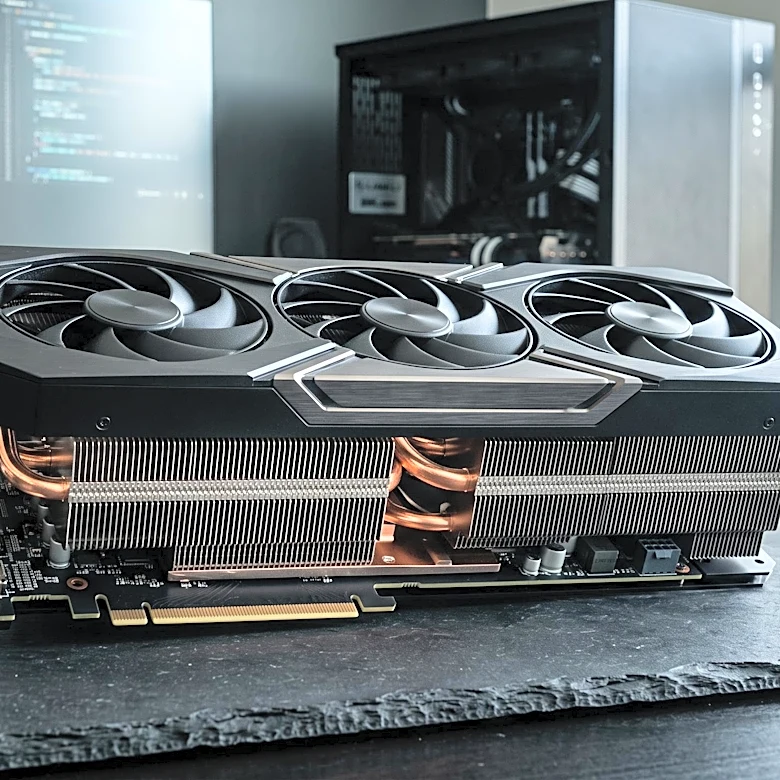
The magic of a great budget build lies in synergy, particularly between the processor (CPU) and the graphics card (GPU). The CPU handles game logic and feeds data to the GPU, which then renders the images you see on screen. If the CPU is too slow, the GPU sits idle waiting for instructions, a problem called 'bottlenecking'. However, a savvy builder knows that for most games, a modern mid-range CPU is more than capable of keeping a powerful GPU fed. The performance gap between a mid-range and a high-end CPU in gaming is often tiny compared to the massive leap between GPU tiers. A balanced system, where no single part holds another back, will always feel smoother than an unbalanced one with a single superstar component.
The Unseen Hero: Software and Drivers
Hardware is only half the battle. Graphics drivers—the software that acts as a translator between your hardware and the game—are constantly being updated by manufacturers like NVIDIA and AMD. These updates often include game-specific optimizations that can significantly boost performance, fix bugs, and improve stability. A well-maintained budget PC running the latest drivers can squeeze every drop of performance from its components, sometimes even outperforming a more powerful but poorly optimized system. This free performance boost is a crucial tool in the budget builder's arsenal.
The 1080p Strategic Advantage
Here’s a secret: for many gamers, 1080p resolution isn't a compromise; it's a strategic choice. A 4K display has four times as many pixels as a 1080p display, which means a graphics card has to work four times as hard to render each frame. This puts an enormous strain on the GPU. By targeting 1080p, a budget build can allocate its resources to what often matters more for a smooth experience: a high and stable frame rate. Competitive gamers, in particular, will almost always choose higher frames over higher resolution. A budget GPU that delivers a rock-solid 144 frames per second at 1080p will provide a better feeling experience than a high-end card struggling to maintain 60 FPS at 4K.
Knowing Where to Save Money
Finally, experienced builders know which corners can be cut without sacrificing gaming performance. While the CPU and GPU are critical, other components offer more flexibility. For many gaming workloads, the real-world difference between a good SATA SSD and a top-of-the-line NVMe SSD is negligible. Similarly, while super-fast RAM can provide a slight edge, ensuring you have enough capacity (16GB is a great start) is far more important. By saving money on the case, a non-overclockable motherboard, or the power supply (while still ensuring it's a reliable, certified unit), a builder can funnel more of their budget into the GPU, which has the single biggest impact on gaming performance.