








The IP Play, Not the Art Play
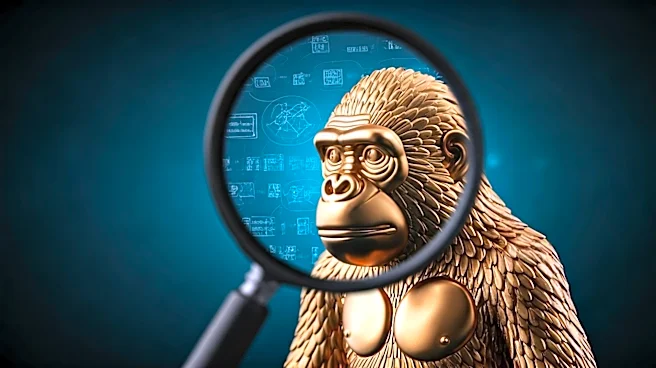
The first mistake many investors made was categorizing Yuga Labs as a company that sells digital art. It’s an easy error. The Bored Ape Yacht Club (BAYC) NFTs were, on the surface, cartoon JPEGs that sold for astronomical sums. But the founders weren't
running a gallery; they were building an intellectual property powerhouse from day one. The real tell wasn't the price of an ape, but what owners could do with it: Yuga granted commercial rights to the individual ape holders. This was a radical move, turning every owner into a potential brand ambassador and entrepreneur. Then came the masterstroke: Yuga Labs acquired the IP for CryptoPunks and Meebits, two other foundational NFT collections, from Larva Labs. This wasn't just collecting trophies; it was a strategic consolidation akin to Disney buying Marvel and Lucasfilm. It cornered the market on the most culturally significant Web3 IP, signaling that the long-term plan was always about licensing, media, and merchandise—not just selling the next hot digital image.
Community as the Real Asset
Another common misreading was to see NFT holders purely as financial speculators. While speculation was certainly rampant, it overshadowed a more powerful force Yuga was cultivating: community as a platform. Owning a Bored Ape wasn't just a flex; it was a key. It granted access to an exclusive digital and physical world, from a collaborative pixel canvas to private Discord channels and lavish parties like ApeFest. These weren't just marketing gimmicks; they were the core product. This approach built a fiercely loyal base and a powerful network effect that became the company’s defensible moat. Competitors could draw cartoon animals, but they couldn't easily replicate the social capital and shared identity of the BAYC ecosystem. Investors who focused solely on the fluctuating “floor price” of the NFTs were watching the wrong metric. The real value was in the strength, engagement, and perceived exclusivity of the community Yuga had built—a social asset far more durable than a volatile market price.
The Pivot to Gaming Was Always the Endgame
Perhaps the biggest investor blindspot was failing to see that NFTs were merely the opening act. The ultimate ambition was never to just be an “NFT company.” It was to be a gaming and entertainment giant. The launch of the Otherside metaverse project made this pivot explicit. Yuga raised hundreds of millions by selling virtual land deeds (“Otherdeeds”) for a world that didn't fully exist yet, a testament to the power of the brand they had built. This move reframed the entire company. They were no longer just managing a portfolio of high-value JPEGs; they were building a persistent virtual world to compete with platforms like Fortnite and Roblox. Their strategy is to leverage their vast IP portfolio (Apes, Punks, Meebits, and more) as the native characters and lore of this new gaming universe. Investors who were fixated on secondary royalty fees from NFT sales—a business model now under threat—missed the much larger strategic shift toward the multi-trillion-dollar gaming market. Yuga used NFT culture as a launchpad, not a destination.