







It’s Not Just About Speed, It’s About Response Time
The most misunderstood part of 5G isn't its speed, but its latency. Latency is the technical term for delay—the tiny gap between when you tap a button and when the application actually responds. While 4G made latency tolerable, 5G aims to make it almost
imperceptible, reducing it from around 50 milliseconds to as low as a single millisecond in ideal conditions. This isn't just an incremental improvement; it's a categorical shift. For a developer, this is like upgrading from a winding country road to a Formula 1 racetrack. It enables them to build applications that require immediate, real-time feedback—something that was previously clunky or impossible. Think of collaborative work documents that update instantly, online games without a hint of lag, and financial trading platforms that react in the blink of an eye.
Bringing the Cloud Closer to Home
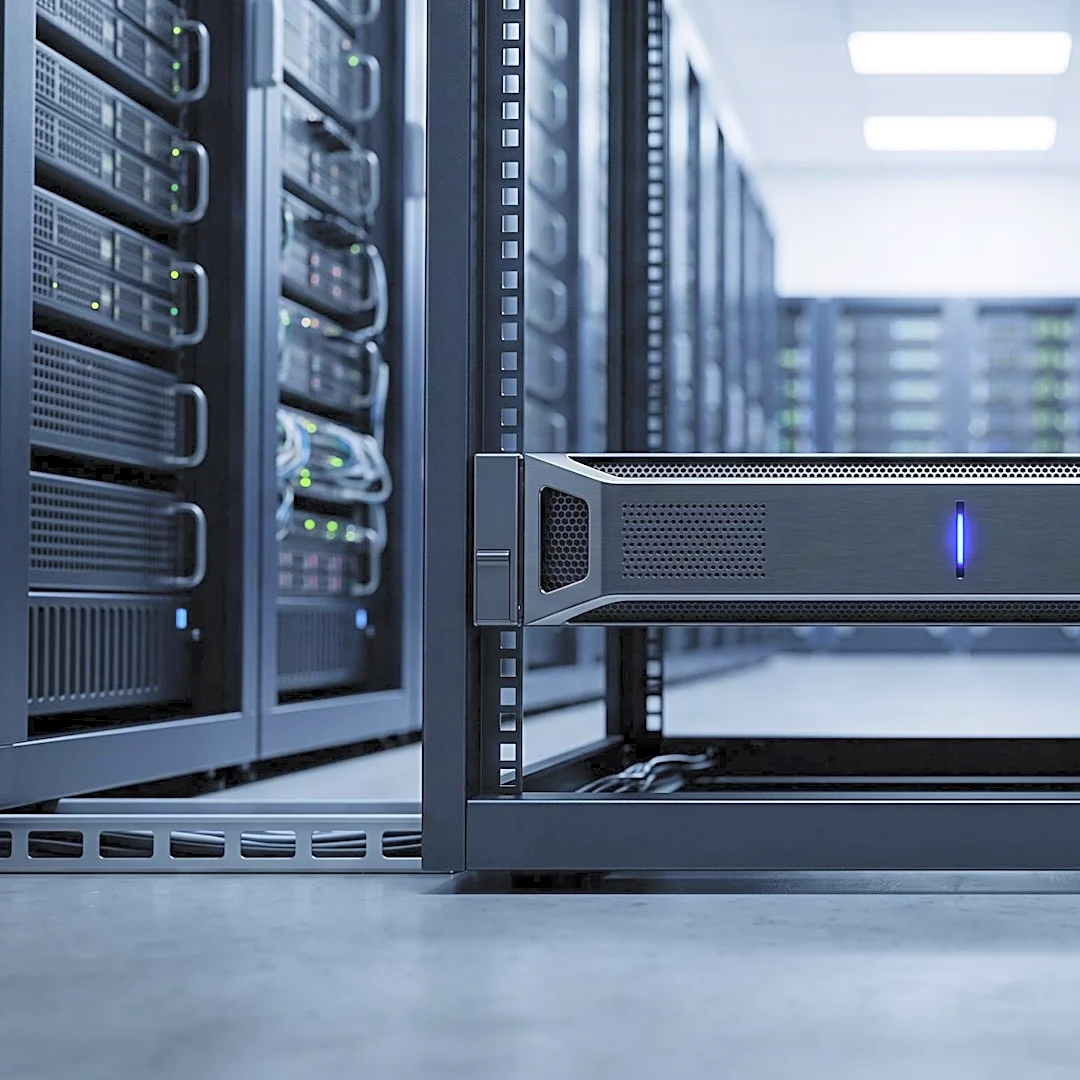
For years, 'the cloud' has been a vague concept of distant, centralized data centers doing all the heavy lifting. 5G is changing that geography through a symbiotic relationship with 'edge computing'. Because 5G can transfer massive amounts of data with minimal delay, it no longer makes sense to send everything to a far-off server. Instead, edge computing places smaller, powerful data processing centers much closer to where data is being used—at the 'edge' of the network, sometimes as close as a local cell tower. This combination means your software doesn't have to shout across the country to get a response. By processing data locally, applications for smart factories, autonomous vehicles, and real-time video analytics become faster and more reliable. By 2025, it's predicted that 75% of enterprise-generated data will be processed at the edge, a massive shift powered by 5G connectivity.
Unlocking a New Generation of Software
This new architecture does more than just speed up existing apps; it makes entirely new classes of software possible. The massive bandwidth of 5G means developers no longer have to be as conservative with data. They can design richer, more complex applications that were once constrained by network limitations. This is especially true for augmented reality (AR) and virtual reality (VR), which demand a constant, high-fidelity stream of data to feel immersive and responsive. Similarly, the rise of the Internet of Things (IoT)—from smart home devices to industrial sensors in a factory—relies on a network that can handle millions of simultaneous connections in a small area without faltering. 5G is built for this massive connectivity, providing the stable backbone for the software that manages everything from your smart thermostat to the logistics of a global supply chain.
The Rise of the ‘Cloud-Native’ World
Behind the scenes, 5G is accelerating a fundamental shift in how networks themselves are built. Modern 5G networks are 'cloud-native', meaning they are designed using flexible, software-based principles rather than rigid, hardware-focused systems. This architecture uses microservices and containers, allowing network functions to be deployed, scaled, and updated with greater speed and efficiency. For businesses, this means they can launch new services faster and at a lower cost. This also enables 'network slicing', where a physical 5G network can be partitioned into multiple virtual networks, each optimized for a specific task—one slice for ultra-reliable communication for a driverless car, another for massive data throughput for a factory's IoT sensors, and a third for general consumer use. This programmability is the hidden engine that allows 5G to underpin so many different types of software at once.