








Specs Don't Measure Feeling
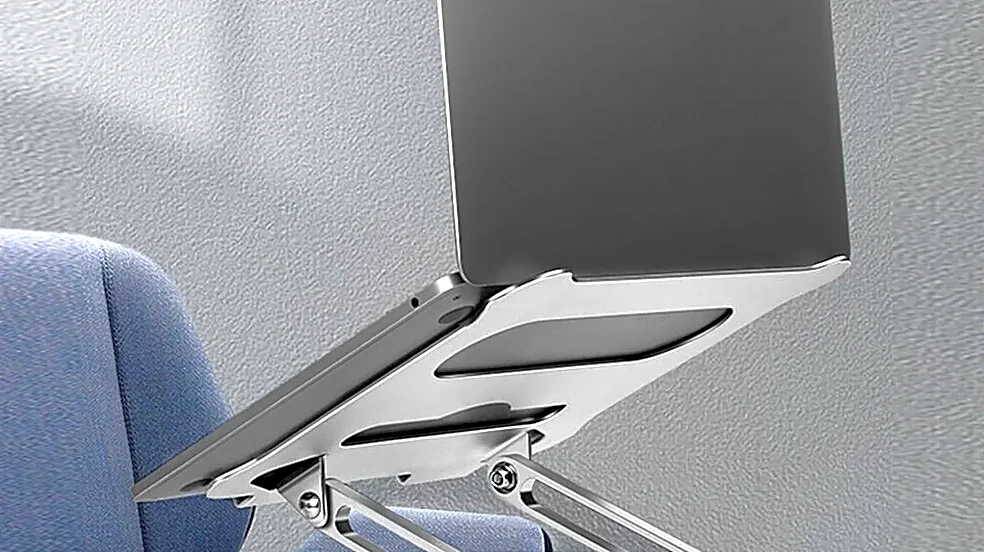
When you shop for a new laptop, you look at specs: processor speed, RAM, screen resolution. But when you look at a laptop stand, the specs are... underwhelming. 'Aluminum alloy'. 'Adjustable height'. This is because you’re not buying a piece of technology;
you’re buying a behavioral intervention. A spec sheet can’t list 'reduced subconscious annoyance' or 'prevents slow-burn distraction'. The true function of a good ergonomic setup isn’t to 'do' anything, but to get out of your way. It’s about removing the small, constant physical irritants that you may not even consciously notice but that cumulatively drain your focus and energy throughout the day. The goal is to make your physical workspace so comfortable and neutral that your body becomes invisible to your mind, freeing you up to concentrate fully on the task at hand.
The Slow Creep of 'Tech Neck'
Using a laptop without a stand forces a trade-off: either the screen is too low for your neck or the keyboard is too high for your wrists. Most people default to hunching, creating what medical professionals call 'tech neck'. For every inch your head drifts forward, it adds about 10 pounds of pressure on your neck and spine. This doesn't cause a sudden injury; it's a cumulative strain injury that builds over months and years. The dull ache in your shoulders, the tension headaches, the lower back pain—these are the result of thousands of hours spent in a slightly compromised posture. A laptop stand, by elevating the screen to eye level, and an external keyboard, by keeping your hands in a neutral position, don't just add comfort. They halt this slow, damaging process and prevent your body from constantly fighting a losing battle against gravity and poor positioning.
Freeing Up Your Mental Bandwidth
Here's the real secret: physical discomfort is a tax on your brain. Every time you unconsciously shift to relieve a tense shoulder, adjust your head to fix your view, or flex a sore wrist, you spend a tiny amount of cognitive energy. Individually, these moments are insignificant. But added up over an eight-hour workday, they create a significant 'cognitive load'—a background process that’s constantly stealing focus from your actual work. An ergonomic setup minimizes this physical static. When you aren't fighting your own posture, your brain has more resources available for problem-solving, creativity, and deep work. Studies and workplace observations have shown that ergonomic improvements can boost productivity simply by reducing these micro-distractions and physical stressors, allowing for better concentration. It's not about working harder; it's about removing the hidden obstacles that make you work less efficiently.
The Psychology of an Intentional Workspace
Finally, there’s a powerful psychological component at play. Setting up an ergonomic workspace is an act of intention. It signals to your brain that this is a space designed for focus. A cluttered, uncomfortable setup creates mental friction before you even begin, making it easier to procrastinate. In contrast, an organized station with a monitor at the right height and a keyboard that fits your hands removes that friction. It creates a clear boundary between work and non-work, helping you transition into a productive mindset more easily. This isn't just about feeling good; it's about creating an environment that actively supports your mental and emotional state, reducing stress and improving your overall mood at work.