




The Textbook Story: 13 Special Servers
In any basic explanation of the Domain Name System (DNS), you'll learn about the 13 logical root name servers. They are the authoritative directory for the internet, the starting point for almost every connection you make online. When you type a website
into your browser, your computer's DNS resolver eventually asks a root server where to find the correct Top-Level Domain (TLD) server, like the one for '.com' or '.org'. The root server doesn't know the full address, but it knows who to ask next. This number, 13, isn't arbitrary; it stems from a technical limitation in the early days of the internet. The original DNS protocol had a maximum packet size that could only fit information for 13 servers. So, for decades, the internet's foundation was known by 13 IP addresses, identified by the letters A through M.
The Reality: A World of Mirrors Called Anycast
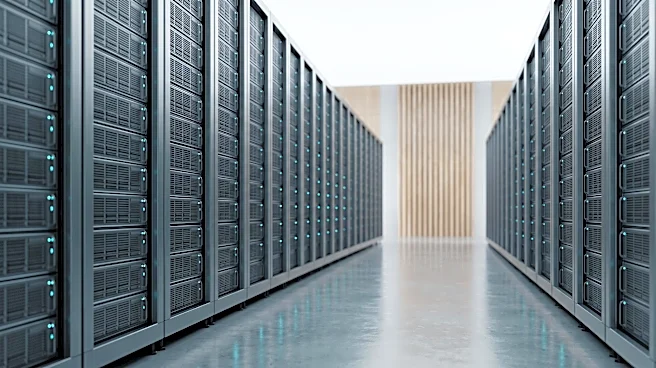
Here’s where the production environment gets clever. While there are only 13 logical root server 'identities', there are not just 13 physical machines. In reality, there are nearly 2,000 individual server instances scattered across the globe. This magic is possible because of a routing technology called Anycast. Think of it like a global coffee chain. There's one brand name (the logical server, like 'K-Root'), but thousands of physical locations. When you want coffee, you don't go to the original store; you go to the one nearest to you. Anycast does the same for your data. Multiple servers around the world announce that they have the same IP address. When your computer sends a request to one of the 13 root IP addresses, network routers automatically send your request to the geographically or topologically closest physical server. A query from Tokyo and a query from Paris might both go to 'F-Root', but they will hit entirely different machines on different continents.
Why Bother With All This Complexity?
The Anycast system provides two massive benefits that are essential for the modern internet: resilience and speed. Before this technology was widely adopted for root servers, most of the physical machines were in the United States. A query from another continent had to travel thousands of miles, creating slowness (latency). Worse, it created single points of failure. With thousands of instances spread out, the system is incredibly robust. A massive denial-of-service (DDoS) attack might take out a few servers in one region, but the traffic is simply re-routed to other healthy instances, keeping the internet online. It also dramatically speeds up your browsing experience. By ensuring your initial DNS query travels a shorter distance, it reduces latency and helps pages load faster for users everywhere.
Who Runs These Digital Lighthouses?
The diversity doesn't stop with the technology. The 13 logical root servers aren't run by a single entity. They are operated by 12 different, independent organizations from around the world. This group includes a mix of private companies like Verisign (which operates two roots, A and J), non-profits like the Internet Systems Consortium (ISC), academic institutions like the University of Southern California and the University of Maryland, and even U.S. government bodies like NASA and the Department of Defense. This decentralization of control is a core feature, designed to prevent any one organization or country from having complete authority over the internet's foundational directory. While the operators collaborate, each is autonomous, creating a system of checks and balances for this critical global resource.