





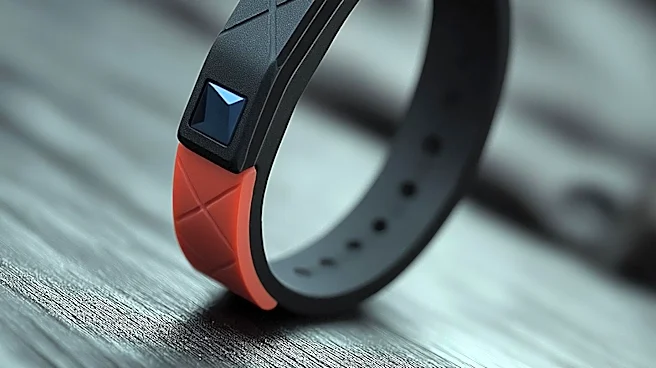

1. Whoop: The Subscription-First Competitor
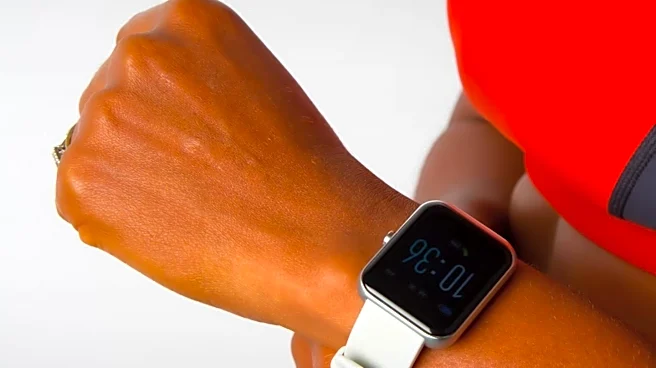
Before Oura made subscriptions mainstream for rings, Whoop was pioneering the model for the wrist. Founded in 2012 by Harvard student-athlete Will Ahmed, Whoop built its entire business not on selling a device, but on selling access to the data it collects.
The wearable itself is 'free' with a membership, a strategy that locks in recurring revenue and focuses the user on long-term performance tracking. While Oura emphasizes holistic wellness and sleep, Whoop has always been laser-focused on athletic strain and recovery, attracting a devoted following of elite athletes and serious fitness enthusiasts. The company, valued at over $10 billion after a 2026 funding round, demonstrates a different path to success in wearables: owning the high-performance niche and building a business model that prioritizes loyalty over one-time sales.
2. Levels Health: Making Metabolic Data Mainstream
What if you could see in real-time how a bagel spikes your blood sugar compared to a salad? That’s the question Levels Health answers. The company doesn't make its own hardware; instead, it provides software that pairs with third-party continuous glucose monitors (CGMs), devices traditionally used by people with diabetes. Levels was co-founded by a former surgeon, Dr. Casey Means, who became convinced that understanding metabolic health was key to preventing chronic disease. By making CGMs accessible to the general public, Levels created a new category of consumer bio-hacking focused on diet and nutrition. Their story is a powerful example of how a company can build a revolutionary product by creating a brilliant software layer on top of existing medical technology, turning a niche diagnostic tool into a mainstream wellness obsession.
3. Eight Sleep: The Smart Bedroom Environment
While Oura and Whoop put the tracker on your body, Eight Sleep puts it in your bed. Calling itself a 'sleep technology company' rather than a mattress brand, its core product is the Pod Cover, a smart layer that fits over a mattress. It uses a network of water tubes to dynamically heat or cool each side of the bed throughout the night, responding to your sleep stages to optimize rest. Founded in 2014, the company tracks biometrics like heart rate and breathing without requiring a wearable. This 'smart environment' approach is a different bet on the future of health tech: that the most powerful data collection will be passive and integrated into the world around us. With a subscription model for its full suite of features and significant venture funding, Eight Sleep's story fascinates because it extends the concept of a wearable to the entire bedroom.
4. Movano Health: The Medical-Grade Ring for Women
On the surface, Movano Health’s Evie Ring looks like another Oura competitor. But its strategy is fundamentally different. While Oura is a general wellness device, Movano is deliberately pursuing a medical path, designing its technology to meet clinical standards. The company recently secured FDA 510(k) clearance for its pulse oximeter feature, a crucial step toward marketing the device for use in clinical trials and remote patient monitoring. The ring itself is designed with a more flexible, open fit and is specifically marketed toward women, focusing on tracking menstrual cycles alongside sleep and activity. Movano’s story is compelling because it represents a bet on the convergence of consumer wearables and regulated medical devices, aiming to build a business by earning the trust of doctors and health systems, not just consumers.
5. Ultrahuman: The Integrated Health Ecosystem
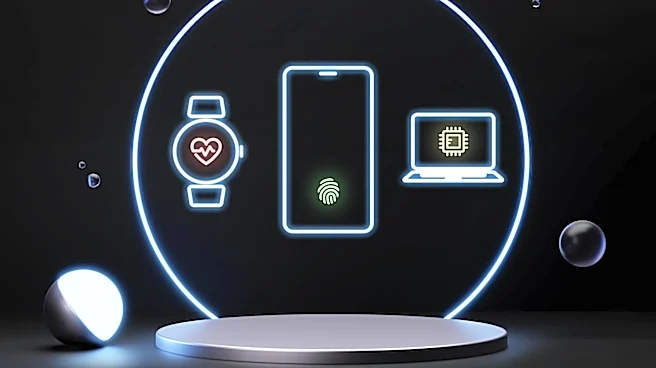
Bengaluru-based Ultrahuman started its journey with a continuous glucose monitor and software, much like Levels, before launching its own smart ring, the Ultrahuman Ring AIR. But its ambition goes far beyond a single device. The company is building a comprehensive health platform that integrates data from its ring, CGM, and even at-home blood testing and environmental sensors. This 'ecosystem' approach is what makes Ultrahuman so interesting. Instead of just tracking sleep or metabolism, it aims to connect multiple data streams to give a more holistic picture of a person's health. Founded in 2019, the well-funded company is rapidly expanding its product suite, showing a different path to scale: building a multi-product hardware and software platform from the ground up to become a centralized hub for personal health intelligence.