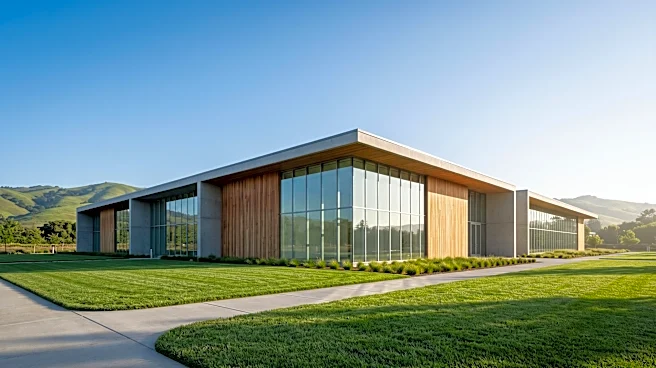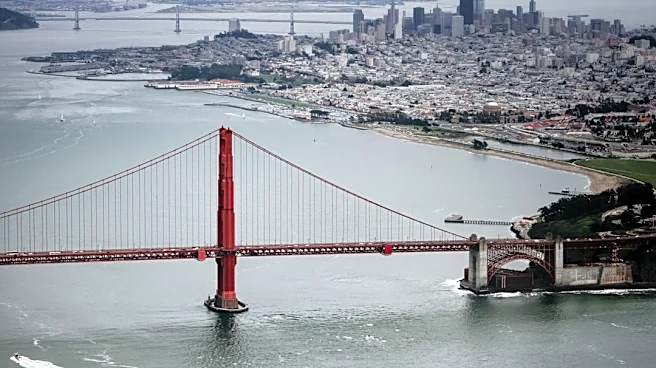










From San Francisco to San Jose
On paper, the move looks like a consolidation. Following its massive $28 billion acquisition by Cisco, which was finalized in March 2024, Splunk's famous San Francisco headquarters at 250 Brannan Street is being closed. Employees are being consolidated
with Cisco's teams in the Bay Area. The official statement from Cisco highlighted a desire to bring teams closer together, improve cost efficiencies in their real estate portfolio, and create a more collaborative environment. Splunk's new center of gravity is now in San Jose, specifically at Santana Row, an upscale mixed-use district where Splunk already had a significant presence. This isn't a simple relocation; it's the absorption of Splunk's physical and corporate identity into the Cisco machine.
The Cisco Blueprint
The single biggest driver behind the move is Cisco. Acquiring Splunk was the largest deal in Cisco’s history, a clear signal of its pivot toward software, AI, and cybersecurity. Integrating a company as large as Splunk requires massive operational changes to realize the synergies that justify a $28 billion price tag. Consolidating real estate is low-hanging fruit in this process. Cisco announced it would be shutting down several of its own North San Jose office buildings in addition to Splunk's San Francisco hub. This isn't just about cutting Splunk's rent; it's about reconfiguring the entire Bay Area footprint of the combined company. Splunk now operates as a unit within Cisco, with its former CEO, Gary Steele, taking on a senior executive role at Cisco while still overseeing the Splunk division. This integration makes separate, high-prestige headquarters in different cities a redundant expense.
The Bay Area Real Estate Shuffle
Splunk’s move is also a chapter in a much larger story about the changing economics of San Francisco. The city's high operating costs, from steep office rents to premium salaries and complex business taxes, have been a point of contention for years. Engineering salaries in San Francisco can be 30-50% higher than the national median, a significant factor for a software-heavy company. Even before the Cisco acquisition, Splunk was already rethinking its office needs. In 2021, the company announced a permanent remote work option for most employees, signaling that a large, centralized headquarters was becoming less critical. In 2022, it vacated its largest San Francisco building at 270 Brannan Street to consolidate into the smaller 250 Brannan building next door. The final closure of its San Francisco office under Cisco's ownership is the logical conclusion of a trend that began years ago, accelerated by the pandemic and the rise of hybrid work.
What a Headquarters Means Now
Ultimately, the concept of a single, iconic headquarters is becoming outdated for many global tech giants. For Cisco, the goal is to create efficient, collaborative hubs in strategic locations. By upgrading and expanding its Santana Row campus in San Jose, Cisco is creating a modern workspace designed for a hybrid workforce, not a monument to a brand. Moving Splunk's operations there centralizes talent and aligns the subsidiary with the parent company's operational rhythm. While Splunk retains its brand identity, its physical independence is over. The move isn't an abandonment of the Bay Area but a strategic consolidation within it, shifting the center of mass from the high-cost, high-prestige environment of San Francisco to the more operationally controlled ecosystem of Cisco's San Jose stronghold. It’s a pragmatic business decision disguised as a change of address.