




The Age of the Copilot
For the last few years, 'Copilot' was Microsoft’s banner for a new era of productivity. The concept was simple but powerful: embed an AI assistant directly into the tools people use every day, like Word, Excel, Teams, and Outlook. These Copilots were
designed to be reactive partners. You ask, they answer. You prompt, they generate. They could summarize a lengthy email thread, draft a marketing slogan, or analyze a spreadsheet, but they always waited for your command. Think of it as a brilliant intern—incredibly helpful for the task at hand, but fundamentally waiting for you to provide the next instruction. This first wave was about amplifying human effort, not replacing it. It made us faster and more efficient, but we were still firmly in the driver's seat.
What is an Autonomous Agent?
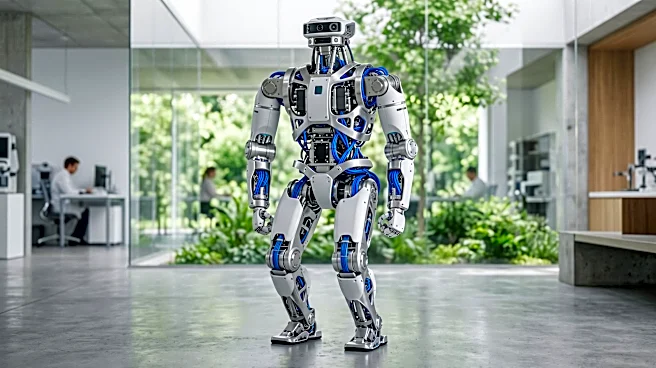
The new chapter in Microsoft's strategy revolves around 'autonomous agents'. Unlike a Copilot, an agent doesn't just respond to a single prompt; it pursues a goal. An autonomous agent is an AI system designed to understand an objective, create a multi-step plan, use various tools and systems, and execute that plan with minimal human supervision. It can reason, adapt to new information, and even correct itself when it hits a snag. While a Copilot is an assistant that helps you do your work, an agent is more like a delegate you assign the work to. This represents a fundamental shift from a reactive 'request-and-respond' model to a proactive system that can own a workflow from start to finish.
From Assisting to Acting
The difference between assisting and acting is at the heart of Microsoft's strategic pivot. A Copilot might help you find the best flight options for a business trip. An autonomous agent could be told: 'Book the most cost-effective travel to the Las Vegas conference next month, adhering to company policy'. The agent would then identify flights, book a hotel, arrange ground transport, and add it all to your calendar without needing step-by-step guidance. Microsoft is building this future through tools like Copilot Studio, which allows companies to create their own custom agents. These agents can be given 'skills', access to 'knowledge' like company handbooks, and 'tools' to perform actions like sending an email or updating a CRM. The goal is to create a digital workforce that operates continuously, connecting different systems and managing processes while people focus on higher-level strategy.
A New Operating System for Work
Microsoft's ambition isn't just to sell more features; it's to build the next foundational layer of computing. CEO Satya Nadella has signaled that the company sees agents as a new kind of operating system for businesses, an 'execution layer' that coordinates work across all applications and services. By providing the tools to build, manage, and secure these agents—from the Azure AI infrastructure up to the Copilot interface—Microsoft aims to own the platform where this new form of autonomous work happens. This also introduces new challenges, particularly around governance and security. Nadella has emphasized the need to treat agents like digital employees, giving them specific identities, permissions, and audit trails to ensure they can be managed and controlled, almost like potential insider threats. Recent updates to Microsoft Entra, its identity platform, now include lifecycle management for AI agent identities, reinforcing this structured approach to governance.