





The Contrarian's Playbook
Luke Nosek, a member of the influential 'PayPal Mafia,' has built a career on betting big on non-obvious ideas. After helping build PayPal, he co-founded venture capital firms Founders Fund and later Gigafund with a distinct philosophy. Instead of diversifying
across many 'safe' startups, his strategy is to make highly concentrated, long-term investments in companies with the potential to redefine entire industries. This approach isn't about chasing quick wins or market trends; it's about backing ambitious founders who are using fundamental principles to solve massive problems over a 20-year horizon. His firms were designed to be explicitly founder-friendly, challenging the traditional, often contentious, relationship between entrepreneurs and their investors.
Why Visionaries Love Him
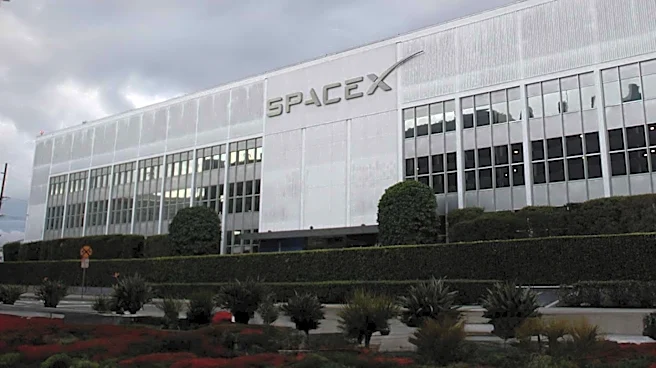
For a certain type of founder, Nosek's style is exactly what they need. Ambitious entrepreneurs working on moonshot projects, like Elon Musk at SpaceX, find a rare ally in Nosek. He was the first institutional investor in SpaceX, joining its board and providing crucial backing when the company was still facing immense challenges. This approach empowers founders by giving them capital, control, and patience. Instead of meddling in daily operations or pushing for a premature sale, Nosek’s method provides the freedom to pursue a grand, long-term vision. This founder-first mindset was baked into Founders Fund, which pioneered structures that help founders maintain control and even recoup some personal investment, reducing the pressure to exit early. This makes him a hero to entrepreneurs who feel constrained by the traditional venture capital model.
Why Traditionalists Are Wary
The very things that make Nosek a visionary to some make him appear reckless to others. The conventional VC wisdom is built on portfolio theory: spread your bets because most startups will fail. Nosek's strategy of concentrating immense capital into a few high-risk, high-reward companies strikes many as a form of gambling. Critics of this all-or-nothing approach point out that for every SpaceX, there are countless unmentioned failures that burn through capital without producing results. The hands-off, founder-centric model can also be viewed as a lack of rigorous oversight. In an industry where accountability and metric-driven progress are paramount, giving a founder near-total autonomy over a massive check can seem like an abdication of an investor's fiduciary duty.
A Battle for the Soul of Venture Capital
Ultimately, the split over Luke Nosek's management style is a proxy for a larger debate within the tech and investment world. Is the purpose of venture capital to provide disciplined, incremental guidance to a broad portfolio of companies? Or is it to identify singular, transformative founders and give them the resources and freedom to attempt the impossible? The former approach is designed to generate reliable returns and mitigate risk. The latter is built to create world-changing technologies and paradigm shifts, accepting that most attempts will end in failure. Nosek and his firms, Gigafund and Founders Fund, have firmly planted their flag in the second camp, backing companies they believe can become the most significant businesses of a generation.