





What on Earth is Model Routing?
Let’s break it down. Imagine you have a question. If it’s simple, like “What’s the weather?” you ask a friend nearby. If it’s complex, like “Explain the geopolitical implications of global supply chain shifts,” you might call a professor. Model routing
is the AI version of this. It’s a smart traffic cop for your digital requests. Instead of using one gigantic, power-hungry AI model for every single task, model routing intelligently directs your query to the best-suited model. A simple request to set a timer might be handled by a tiny, efficient model living right on your iPhone’s chip. A more complex request, like summarizing a long email thread and drafting a reply, might be sent to a more powerful model running in Apple’s secure cloud. The system automatically picks the right tool for the job, balancing speed, privacy, and power. It’s less about having one single brain and more about having an entire team of specialists at your beck and call.
The Classic Apple Play: Privacy and Efficiency
This isn’t just a neat technical trick; it’s a strategy that plays directly to Apple’s core strengths. The company has built its brand on two pillars: user privacy and seamless integration. Model routing reinforces both. By handling as many tasks as possible on-device, Apple can truthfully say your personal data—your photos, messages, and calendars—never leaves your phone or Mac without your permission. This is a massive differentiator in an era where competitors are vacuuming up user data to train their massive, cloud-based AIs. Furthermore, it's incredibly efficient. Running a huge AI model like GPT-4 for every minor query is like using a sledgehammer to crack a nut—it’s expensive and slow. By using smaller, specialized models for most tasks, Apple can deliver a faster, more responsive experience while also managing the immense cost of running AI at scale. It’s a pragmatic, user-centric approach that feels quintessentially Apple.
Shifting from Gadgets to Intelligence
For the past two decades, Apple’s story has been the story of its gadgets. The iPod, the iPhone, the Apple Watch—each device defined an era. The company’s custom silicon, from the A-series to the M-series chips, was built to make those gadgets faster and more capable. But we’re entering a new phase. The next frontier isn't just a faster chip or a thinner screen; it's ambient intelligence. It’s an assistant that truly understands your context, apps that anticipate your needs, and devices that work together in a symphony of smarts. In this world, the underlying intelligent system is more important than any single piece of hardware. The focus shifts from the physical object to the invisible service that animates it. This is why the conversation inside Cupertino is likely less about the iPhone 18’s design and more about the architecture of the AI system that will make it feel magical.
A Glimpse of WWDC 2026
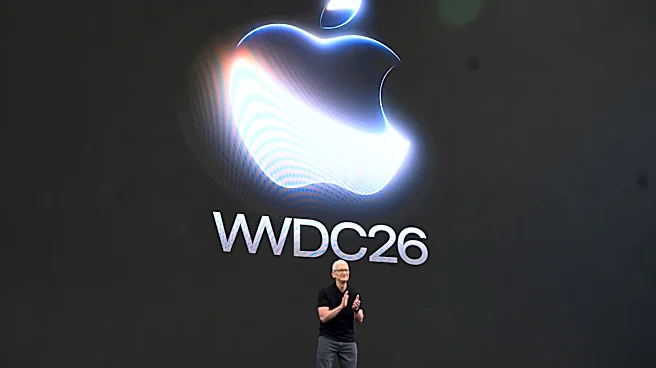
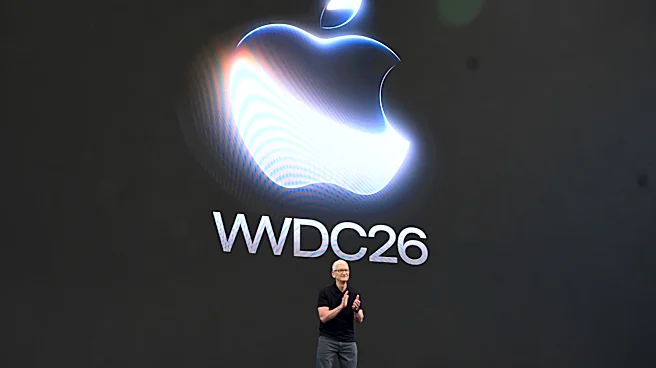
So, picture the keynote in 2026. While new hardware will undoubtedly be there, the big reveal might not be a device you can hold. Instead, an Apple executive might spend twenty minutes explaining the new, sophisticated routing system that makes Siri instantly conversational, that allows your Mac to write perfect code based on a simple description, and that enables your Photos app to create a cinematic movie of your vacation, complete with a licensed soundtrack, just by you asking for it. The applause line won’t be about megapixels or gigahertz, but about a system that finally fulfills the promise of a true personal assistant. The ‘one more thing’ won't be a product, but a demonstration of system-wide intelligence so profound it feels like science fiction. The gadget is no longer the hero of the story; it’s the stage for the real star: the AI.