
From 'Glassholes' to Essential Tools
Let's be honest: early smart glasses earned their cringe-worthy reputation. A decade ago, devices like the original Google Glass felt intrusive and served unclear purposes, leading to the infamous "Glasshole"
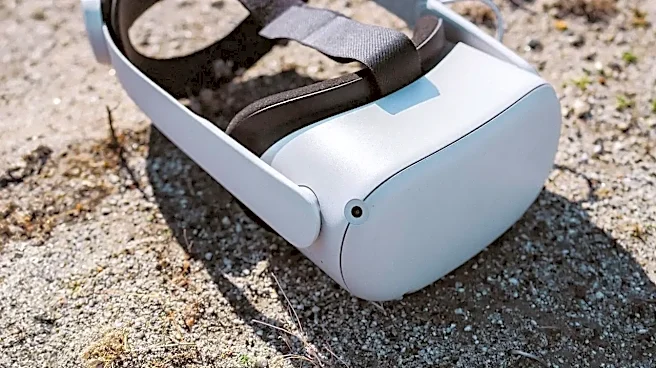
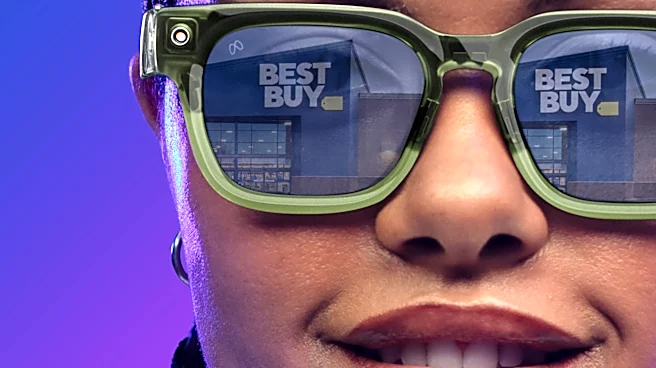
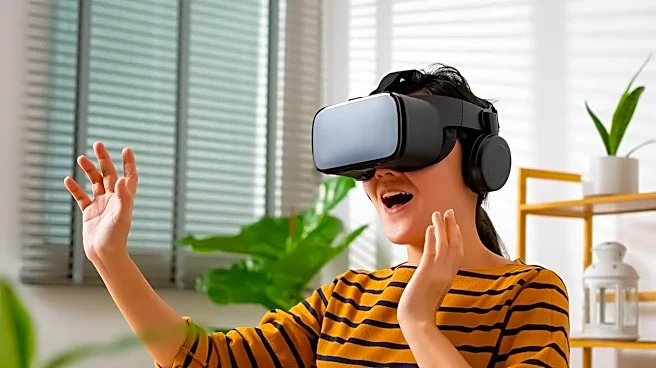
label. They were a solution in search of a problem, worn by a small, tech-evangelist crowd. But 2026 is a different world. The market has matured and, more importantly, fractured. Instead of one device trying to do everything, we now have distinct categories: AI-powered audio glasses, discreet augmented reality (AR) display glasses, and immersive XR glasses for work and play. Companies like Meta, Google, Samsung, and Apple are all investing heavily, partnering with established eyewear brands like Ray-Ban, Warby Parker, and Oakley to prioritize style and social acceptability. The result is a surge in adoption, with display-free smart glasses shipments growing 167% year-over-year in early 2026, a sign that the market is finally moving beyond its niche origins.
The New Blue Collar is Digital
The most significant, yet least visible, revolution is happening in the workplace. Forget social media—think hands-free productivity. In warehouses, logistics operations like DHL are using glasses that display order information directly in a worker's field of view, making picking and packing far more efficient. On construction sites and in factories, field-service contractors can now use their voice to pull up schematics, record job notes, and get remote diagnostic support without putting down their tools. It's a game-changer for any profession that requires hands-on work while needing access to digital information. For professionals in office environments, the appeal is different but just as strong. Smart glasses now offer passive meeting transcription, real-time language translation, and schedule management, often eliminating the need for a separate device. This isn't about showing off new tech; it's about pure utility.
A New Lens on Accessibility
Perhaps the most powerful counter-narrative to the "tech bro" stereotype is the profound impact smart glasses are having on accessibility. For blind and low-vision individuals, these devices are becoming indispensable tools for independence. Mainstream products like Meta's Ray-Bans have become powerful assistive devices, using AI to provide detailed spoken descriptions of surroundings. Purpose-built devices like Envision Glasses can read text from any surface, recognize faces, and identify objects, turning the visual world into audible information. For users with hearing impairments, some models offer live, in-vision transcription of conversations. These applications highlight a fundamental shift: the technology is no longer just for the hyper-abled but is now a bridge to a more accessible world for everyone.
Your Life, Subtly Augmented
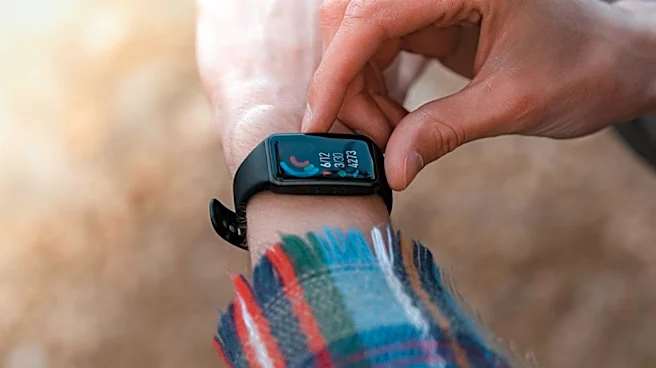
Even on the consumer front, the focus has shifted from ostentatious tech to subtle assistance. The massive success of the Ray-Ban Meta glasses, which dominate the market, proves that style and discretion matter. For creators and small business owners, the ability to capture first-person video without setting up a phone is a huge benefit, whether you're a chef, an artist, or a woodworker. For the rest of us, the use cases are becoming quietly practical. Cyclists and runners can see performance stats and navigation without looking down. Travelers can get instant translations. Commuters can manage calls and messages without pulling out a phone. It's not about replacing your smartphone; it's about augmenting specific moments where a hands-free, voice-activated interface is simply better. The glasses are no longer the main event; they are the quiet assistant that makes life a little bit easier.