






The Power Couple: An Alliance of Necessity
The relationship, forged in 2019 and supercharged by Microsoft's multi-billion dollar investments, is one of symbiotic necessity. OpenAI, the research-led rocket ship, needs two things in massive quantities: money and computing power to train its increasingly
sophisticated AI models. Microsoft, the established enterprise empire, needed a way to leapfrog competitors like Google and Amazon in the AI race. The deal was a perfect match: Microsoft provided OpenAI with exclusive access to its Azure cloud infrastructure, and in return, got deep integration and a massive head start in deploying cutting-edge AI. This alliance effectively kickstarted the generative AI boom, weaving OpenAI's technology into everything from Bing search to Microsoft's 'Copilot' assistants.
OpenAI's Playbook: The Frontier and The Brand
Sam Altman's strategy for OpenAI is rooted in its identity as a pioneer. The company's primary incentive is to push the boundaries of AI capability and build a direct relationship with users. With ChatGPT, OpenAI created a global consumer brand, a rare feat for a company focused on deep-tech research. Its business model is direct: sell access to its powerful models via subscriptions (like ChatGPT Plus) and APIs that allow other developers to build on its platform. Altman's vision is to become the fundamental intelligence layer for the world, a utility for AI that others plug into. To achieve this, OpenAI must constantly prove it has the smartest, most capable models on the market, creating a relentless cycle of research, development, and fundraising to pay for it all.
Microsoft's Playbook: The Great Integrator
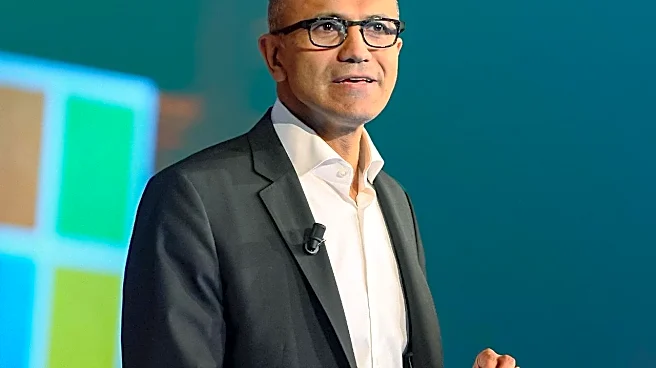
Satya Nadella is playing a different, more traditional game: the platform game. Microsoft's core incentive isn't just to have the best AI, but to use AI to sell more of its core products. For Nadella, OpenAI's models are the ultimate catalyst to drive customers to its Azure cloud platform and lock them into the Microsoft ecosystem. Every time a company uses an OpenAI model through Azure, Microsoft wins. Every time a user interacts with a Copilot assistant in Windows, Office, or Teams, it reinforces the value of Microsoft's software suite. Nadella's strategy is less about the spectacle of AI and more about its practical, commercial application, focusing on the 'cost-to-outcome' for enterprise customers and making AI a reason to stay with, or switch to, Microsoft.
Where the Strategies Diverge
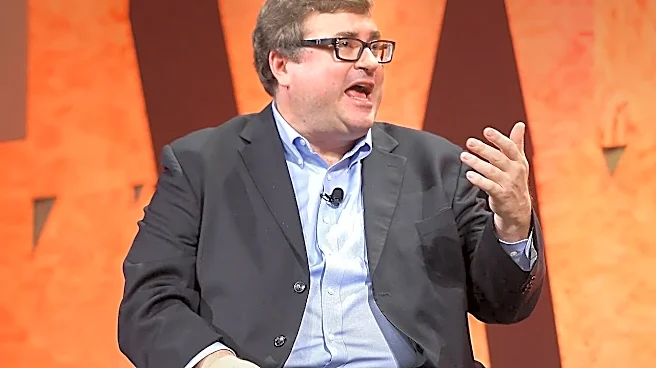
Herein lies the fundamental tension. OpenAI's goal of becoming a universal AI platform means it wants to be everywhere, on every cloud. Recent agreements have seen Microsoft's exclusivity soften, allowing OpenAI to pursue partnerships with other cloud providers. This makes sense for Altman, but it directly conflicts with Nadella's goal of making Azure the undisputed home for AI development. Furthermore, as OpenAI launches its own enterprise services and even tools that could compete with Microsoft products like LinkedIn, the line between partner and competitor blur. While Nadella publicly champions an open AI ecosystem, his warnings for businesses not to become dependent on a single AI provider can be seen as a strategic move to position Microsoft as the neutral platform, even as it develops its own models to reduce its reliance on OpenAI.