






First, What Is Capex?
Capex, or capital expenditures, is the money a company spends on physical assets like buildings, machinery, and, in this case, data centers and the powerful computer chips (GPUs) inside them. For Microsoft, this spending has exploded. The company is investing
at a colossal scale, with a budget for calendar year 2026 expected to be around $175 billion, a figure that includes spending on everything needed to power the artificial intelligence revolution. The company has been clear about why: demand for its Azure cloud and AI services is so high that it outstrips its current ability to supply it. This isn't just about keeping up; it's a deliberate strategy to build a foundational platform for the next decade of technology. But spending money at this pace forces a critical question for investors: is this a visionary investment in the future or a financial black hole?
The Bull Case: Building an Unbeatable Moat
Investors who are bullish on Microsoft see this spending as a necessary and brilliant move. To them, AI isn't just another product; it's a new utility, like electricity. The company that builds the best 'power grid' for AI will dominate for years to come. The evidence for this view is compelling. Azure, Microsoft's cloud division, recently surpassed $100 billion in annual revenue, with growth hitting 43% in a recent quarter. Products like Microsoft 365 Copilot, an AI assistant for Word and Excel, have already attracted over 30 million paid subscribers. The argument is that every dollar spent on a data center today will generate many more in high-margin, recurring software revenue tomorrow. Proponents believe Microsoft is creating a massive 'moat' around its business, one so expensive and complex that competitors like Google and Amazon will struggle to match it, ensuring Microsoft becomes the tollbooth for the AI economy.
The Bear Case: A Cash-Burning Machine
On the other side of the battleground are the skeptics. Their concern is simple: the spending is astronomical, and the return on investment is uncertain. For several quarters, Microsoft’s soaring capex has coincided with falling free cash flow—the actual cash a company generates after its spending. In one recent quarter, capital expenditures jumped 84% year-over-year, while free cash flow dropped. This has unnerved investors who worry that AI is a capital-intensive, low-margin business, unlike Microsoft's traditional high-margin software. Some bears point out that even when the company posts record-breaking revenue and beats earnings estimates, the stock has sometimes fallen because the capex number was higher than Wall Street could stomach. The fear is that Microsoft is caught in an endless spending cycle, forced to constantly buy more and more expensive chips from suppliers like Nvidia just to keep the lights on, with no guarantee that profits will ever catch up.
The Verdict Is About Belief
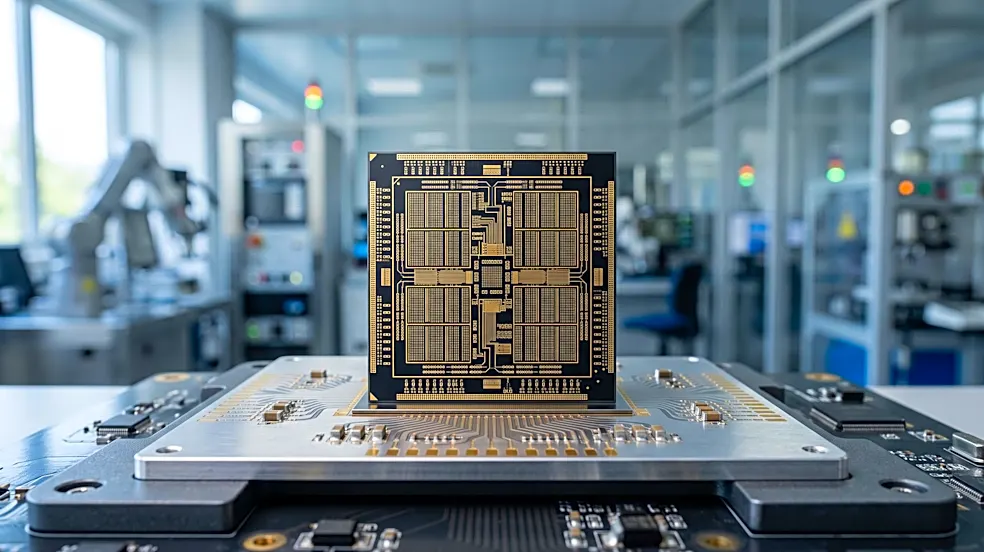
Ultimately, the division over Microsoft's spending isn't just about spreadsheets; it's about belief. For much of 2026, the narrative was one of fear, with the stock slumping on concerns about out-of-control spending. But as the company continued to post massive growth in its Azure and Copilot businesses, the narrative began to shift. What once looked 'reckless' started to look 'disciplined' to some. The company has even started developing its own custom AI chips, like the Maia series, in an effort to control costs and reduce its reliance on others. However, the fundamental tension remains. Every earnings report is now a test: investors are no longer just looking at revenue, but at the cost to achieve it. The debate over capex is a proxy for a much larger question: Is the AI revolution a profitable one, and has Microsoft placed the right bet at the right time?