


More Than Just Power Bricks
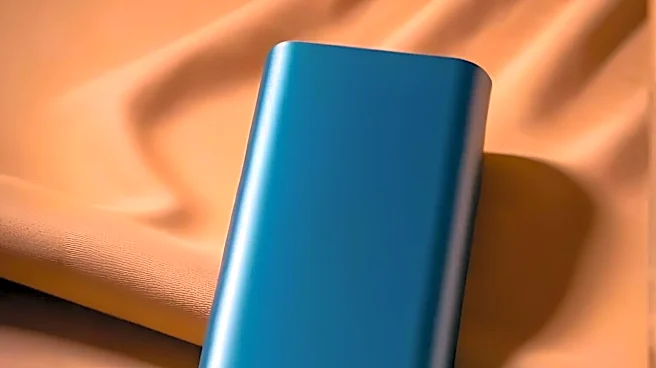
If your image of Anker is stuck in 2015, you probably think of them as the king of portable power banks and durable charging cables. While that’s how they built their reputation, it’s a tiny fraction of their current reality. The company has methodically
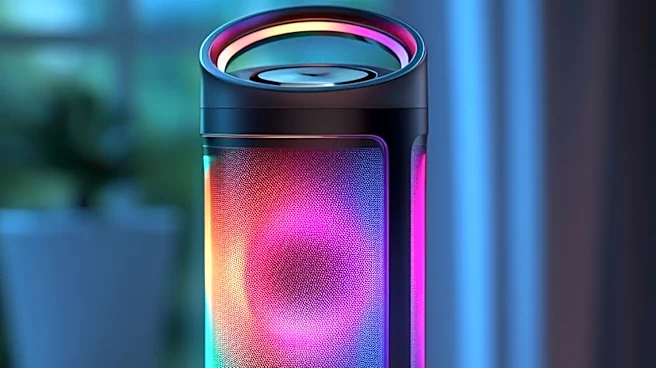
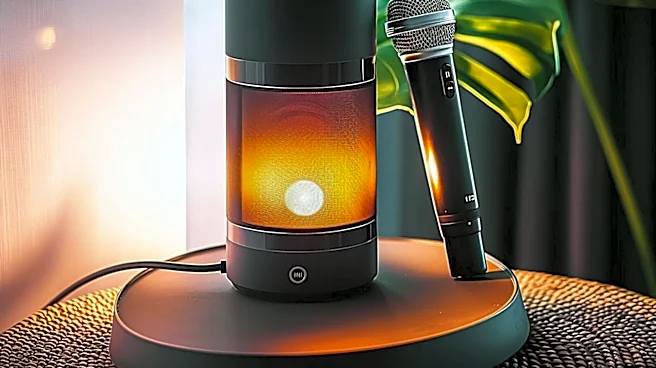
expanded into a vast ecosystem of consumer electronics. This is the first, and biggest, surprise for newcomers: the sheer breadth of their catalog. Under brands that have included Soundcore, Eufy, and Nebula, Anker produces everything from critically acclaimed noise-canceling headphones and Bluetooth speakers to a complete line of smart home devices like robot vacuums and security cameras. They also make portable projectors, smart scales, and even 3D printers. Recently, Anker announced it would be unifying these sub-brands under the single Anker name, a move designed to consolidate this sprawling empire and make it clear that the innovation in one category extends to all others.
The Price-to-Quality Sweet Spot
The second wave of surprise hits when you actually use the products. The expectation for a lower-priced electronic is often a compromise in quality—flimsy plastic, poor performance, or a short lifespan. Yet, Anker has consistently built its brand on defying this assumption. Users frequently report that the build quality, from the satisfying click of a power bank button to the soft-touch silicone of a charging cable, feels far more premium than the price tag suggests. Technologically, Anker products often match or exceed the specs of their big-name competitors, sometimes for half the price. This isn't achieved by cutting corners on core components but through a strategy of mastering specific, high-demand product categories, achieving economies of scale, and selling directly to consumers, primarily through online marketplaces like Amazon, which minimizes overhead.
An Engineer's Obsession with Detail
The secret to this quality-to-cost ratio isn't magic; it's rooted in the company's origin. Anker was founded in 2011 by Steven Yang, a former senior software engineer at Google. He brought a Silicon Valley mindset of iterative improvement and a relentless focus on the user to the world of hardware. Instead of simply manufacturing generic accessories, Anker's approach involves identifying common consumer frustrations and engineering direct solutions. This ethos is visible in the small details: the inclusion of a cable tie with a charging cord, a welcome guide that's actually easy to read, or the development of proprietary charging technology like PowerIQ that intelligently identifies your device to deliver the fastest possible charge. This focus on customer feedback and solving practical problems has cultivated a level of brand loyalty that accessory makers rarely achieve.
An Ecosystem Hiding in Plain Sight
For years, Anker's strategy was to let its sub-brands like Eufy and Soundcore build their own reputations. You might have owned a Eufy security camera and a Soundcore speaker without ever realizing they were made by the same company. This allowed each brand to develop a dedicated following in its respective niche. The surprise, then, is discovering that these disparate, well-regarded products are all part of one coherent family. With the recent strategic shift to bring all products under the main Anker brand, the company is finally making this connection explicit. The goal is to show consumers that the same promise of reliability, value, and thoughtful design they experienced with a power bank also applies to their entire home, from audio and security to robotic cleaning and home energy solutions.