







1. Pinterest: The Anti-Social Network
Like Snap, Pinterest carved out a unique space in a world dominated by Meta. While Snap focused on ephemeral communication between friends, Pinterest became a 'visual discovery engine' for personal projects and aspirations. Its founders also pivoted from
a failed shopping app, seeing how users collected images for inspiration. The core parallel is creating a different kind of digital space—not for broadcasting your life, but for planning it. Both companies face the same challenge: convincing advertisers that their unique, high-intent audiences are just as valuable, if not more so, than those on traditional social networks. Pinterest’s story is about monetizing positive, personal inspiration rather than social performance.
2. Spotify: The Giant Slayer
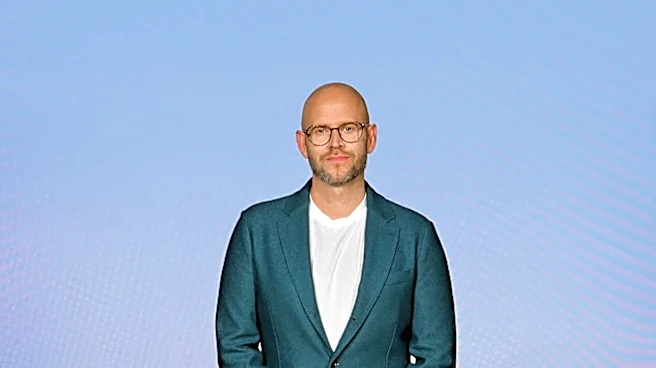
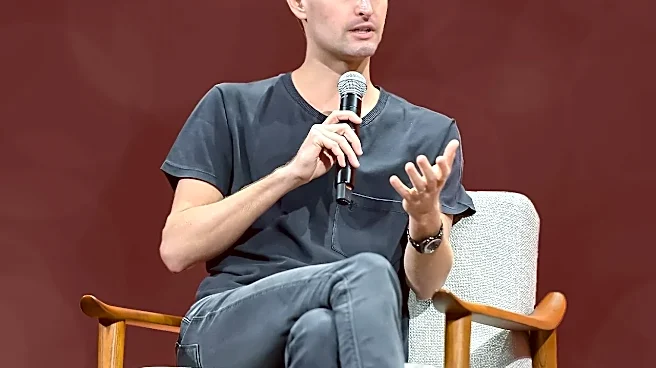
If you admire Snap’s gutsy fight against Meta's Instagram, which famously copied its 'Stories' feature, then Spotify's war with Apple is required reading. When Apple Music launched in 2015, the goal was to crush Spotify. But Spotify survived and thrived by doubling down on what made it different: a superior free tier, best-in-class personalization, and making its service available on every device, not just Apple's. Like Snap's Evan Spiegel, Spotify's Daniel Ek is a product-obsessed founder who led his company through an existential competitive threat from one of the biggest companies in the world. Their story is a masterclass in how a smaller, focused company can outmaneuver a goliath by being smarter, faster, and more essential to its core users.
3. Block (formerly Square): The Ecosystem Builder
Snap's ambition is to become a 'camera company' that owns the AR future, evolving far beyond its messaging roots. For a parallel, look at Block. The company started with a simple, elegant product: a small white credit card reader for small businesses. But founder Jack Dorsey didn't stop there. He expanded into a complete 'ecosystem' for sellers with payroll, lending, and software. Then, he built a second, massive ecosystem for consumers with Cash App. Now, Block is focused on connecting those two ecosystems. This is the story of a company that refused to be a one-trick pony, relentlessly adding layers to its business and expanding its definition, much like Snap is attempting to do by building an AR platform on top of its social app.
4. Roblox: The Platform Bet
Snap is betting that augmented reality will be the next major computing platform. If you want to see what building a new platform from the ground up looks like, study Roblox. Founded back in 2004, the company spent over a decade quietly building a platform for user-generated games and experiences, creating a self-sustaining economy for creators. Now, it's a dominant force in the 'metaverse,' with a strategy focused on aging up its user base and providing brands with a persistent digital world. Roblox's journey highlights the immense difficulty and incredible payoff of not just building an app, but building a world for others to create in. It provides a roadmap—and a warning—for the challenges Snap faces in getting developers and users to build their future inside its camera.
5. Palantir: The Misunderstood Tech Powerhouse
This is the unconventional pick. On the surface, a secretive B2B data-analysis firm that serves governments and large corporations has nothing in common with a consumer-facing camera app. But the parallel is in the narrative. For years, both Snap and Palantir were deeply misunderstood by Wall Street and the public. Both are founder-led companies with powerful, complex technology that is not easily summarized. Palantir’s business model is built on providing a software 'operating system' for entire organizations, a concept as ambitious as Snap's goal to make AR an operating system for your daily life. Studying Palantir offers a lesson in how a company with a difficult-to-explain, high-conviction product can eventually find its footing and force the world to understand its value.