








Solving a Problem Nobody Knew They Had
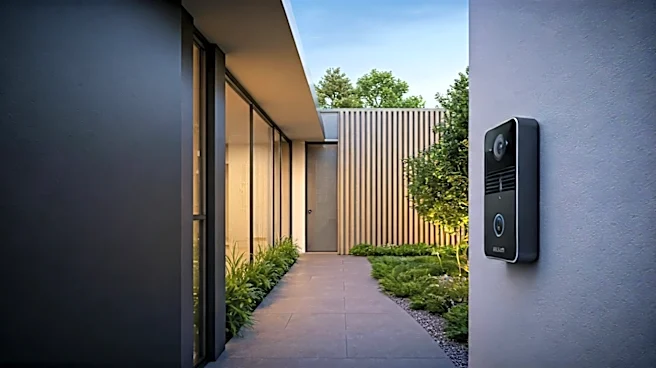
The initial idea behind the video doorbell was brilliantly simple. In 2011, inventor Jamie Siminoff was working in his garage and kept missing deliveries because he couldn't hear the doorbell. His solution was a Wi-Fi-connected device that would send
an alert to his phone, which he called the 'Doorbot.' It wasn't just about convenience; his wife called it "caller ID for the front door," seeing its security potential immediately. This solved a universal, if minor, annoyance. It gave people a simple, tangible reason to install a smart device: to answer the door from anywhere, screening visitors and keeping an eye on packages. This straightforward utility was the key that opened the door to millions of homes.
The Real Genius: Selling 'Blades' for the 'Razor'
Getting the hardware into homes was only step one. The truly revolutionary move was changing the business model. Traditionally, you bought a piece of hardware, and the transaction was over. Companies like Ring pioneered the "Hardware-Enabled SaaS" (Software as a Service) model for the masses. The doorbell itself—the "razor"—is sold at a competitive, often discounted, price. But to unlock its most powerful features, like the ability to save, review, and share video clips, you need a monthly subscription—the "blades." This created a predictable, high-margin, recurring revenue stream from a hardware product, something previously confined to the software world. It turned a one-time sale into a long-term customer relationship.
From a Single Device to a Network
The next quiet revolution was to connect these individual devices to each other. With the launch of the Neighbors app, Ring transformed a collection of private cameras into a crowd-sourced, hyper-local surveillance network. Suddenly, your doorbell wasn't just protecting your home; it was part of a digital neighborhood watch where users could share footage of suspicious activity, report crime, and receive alerts from local law enforcement. Regardless of the controversies surrounding privacy, this created a powerful "network effect." The more people in a neighborhood who had a Ring, the more valuable the network became for everyone, making it harder for competitors to break in and making the entire ecosystem stickier for users.
The Brains Behind the Eyes: AI and Constant Evolution
Early video doorbells were notoriously noisy, sending alerts for passing cars, falling leaves, or stray animals. The evolution from simple motion detection to sophisticated artificial intelligence was the final piece of the puzzle. Instead of just sensing movement, modern devices use machine learning to identify what's happening. Your notifications became more specific: "Person detected" or "Package detected." More recently, generative AI has enabled even more descriptive alerts, like "A person with a bike has been seen." This shift to AI turned the doorbell from a reactive sensor into a proactive security assistant. It also meant the device you bought could get smarter and more useful over time through software updates, further justifying the subscription and keeping the hardware relevant for years.
The New Blueprint for Hardware
The video doorbell's journey provided a clear, four-step blueprint that countless other consumer hardware companies now follow. First, solve a simple, relatable problem to get your foot in the door. Second, sell the hardware at an accessible price but lock in recurring revenue with a subscription for essential features. Third, build a network effect that makes your product more valuable as more people use it. Finally, use software and AI to continuously add value, keeping customers engaged and paying. From smart fitness equipment that requires a subscription for classes to kitchen gadgets with ongoing content services, the legacy of the video doorbell isn't just on our front porches—it's the foundation of the modern consumer hardware business.